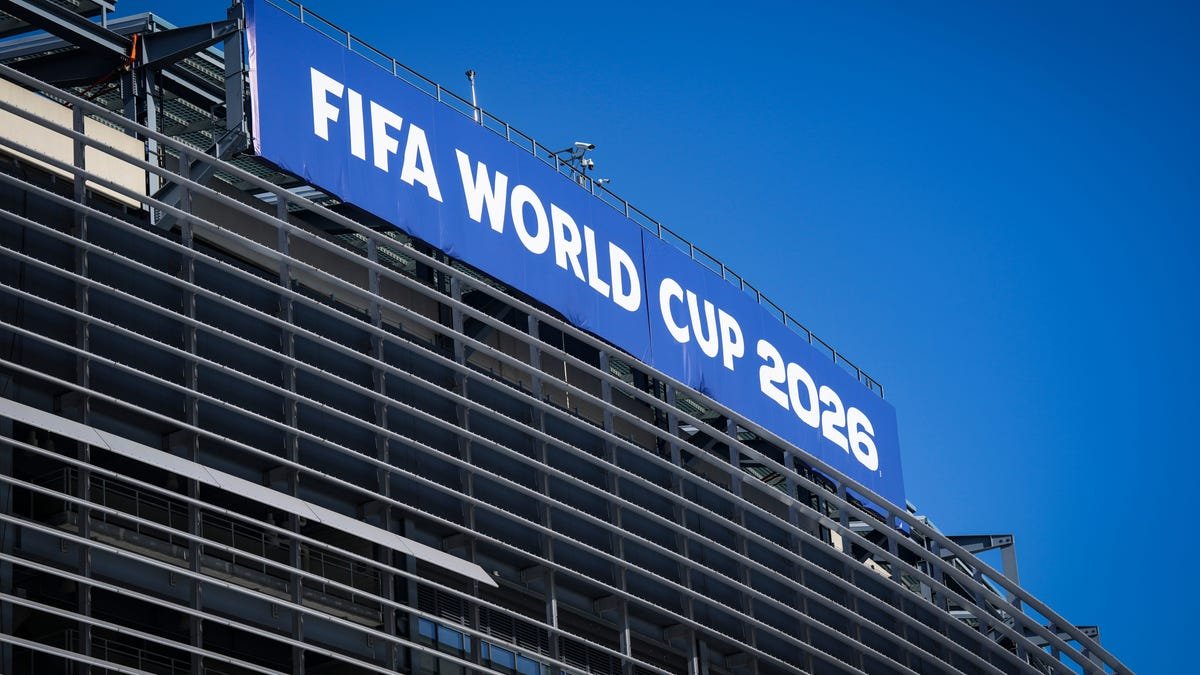
The 2026 FIFA World Cup represents a watershed moment in the history of international football. For the first time, the tournament will be hosted by three nations — the United States, Canada, and Mexico — spanning an unprecedented 16 host cities across North America. With the tournament now less than a year away, preparations are entering their final and most critical phase. From stadium renovations and transport infrastructure to security planning and fan engagement, the 2026 World Cup is shaping up to be the largest and most complex sporting event ever staged.
Host Cities and Stadium Infrastructure
The 2026 World Cup will feature 16 host cities across the three host nations. In the United States, iconic venues such as MetLife Stadium in New York/New Jersey, SoFi Stadium in Los Angeles, AT&T Stadium in Dallas, and Mercedes-Benz Stadium in Atlanta are undergoing extensive upgrades to meet FIFA’s stringent requirements. Canada’s contingent includes BC Place in Vancouver and BMO Field in Toronto, while Mexico will showcase the legendary Estadio Azteca in Mexico City — the first stadium to host three separate World Cup tournaments (1970, 1986, and 2026).
Each host city has committed significant public and private investment to ensure their venues meet the expanded capacity and technological standards required for the 48-team tournament format. New LED lighting systems, enhanced Wi-Fi connectivity for the 5G era, upgraded dressing rooms and media facilities, and expanded hospitality suites are among the most common renovation projects underway across the continent. The expanded tournament format means 80 matches will be played across the 16 venues, up from 64 matches in the 32-team format used in 2022.
Transport infrastructure is also receiving massive investment. Host cities are upgrading airport terminals, expanding light rail and subway systems, and creating dedicated bus rapid transit corridors to move fans efficiently between airports, city centers, and stadiums. The tri-national nature of the tournament presents unique logistical challenges, with customs and border agencies implementing fast-track programs for World Cup ticket holders to ease cross-border movement during the tournament.
Expanded Tournament Format and Its Implications
The 2026 World Cup will be the first to feature 48 teams, divided into 12 groups of four. The top two teams from each group, along with the eight best third-placed teams, will advance to a round of 32 — a significant departure from the traditional 16-team knockout phase. This expanded format has generated considerable debate within the football community.
Proponents argue that the expanded format provides greater representation for developing football nations, offering teams from Africa, Asia, and Oceania the opportunity to compete on the world’s biggest stage. FIFA president Gianni Infantino has championed the expansion as a means of growing the global game, pointing to the increased television revenues and sponsorship opportunities that a longer tournament generates.
Critics, however, contend that the expanded format dilutes the competitive quality of the tournament, pointing to the risk of lopsided group-stage matches between established powers and relative newcomers. There are also concerns about player welfare, with top internationals facing the prospect of playing an unprecedented number of matches in a single season — the Champions League, domestic leagues, and now an extended World Cup campaign. The fixture congestion debate has become one of the most contentious issues in modern football, with players’ unions raising the prospect of strike action if schedules continue to intensify.
Security and Technology Preparations
Security planning for the 2026 World Cup is proceeding on an unprecedented scale. The three host nations are coordinating through a trilateral security framework that includes information sharing, joint training exercises, and integrated command-and-control systems. The US Department of Homeland Security is leading the American security effort, working alongside Canadian and Mexican authorities to create a unified security architecture for the tournament.
Artificial intelligence and facial recognition technology will play a prominent role in stadium security operations. FIFA has contracted with several technology vendors to deploy AI-powered surveillance systems capable of identifying known security threats, monitoring crowd density in real time, and detecting suspicious behavior patterns. These systems will be integrated with law enforcement databases across all three host nations, enabling rapid response to potential security incidents.
Cybersecurity is another major focus area, given the tournament’s massive digital footprint. Organizers are preparing for the possibility of cyberattacks targeting ticketing systems, broadcast infrastructure, and venue operational technology. Dedicated security operations centers will monitor for threats 24/7 throughout the tournament, with incident response teams on standby at every host venue.
Fan safety is being addressed through comprehensive crowd management plans that include designated gathering zones, medical triage facilities at every venue, and coordinated emergency response protocols. The tournament’s public health planning has also incorporated lessons from recent global health events, with enhanced sanitation measures and rapid testing capabilities being built into venue operations.
Economic Impact and Legacy Planning
The economic impact of the 2026 World Cup is expected to be substantial across all three host nations. A study commissioned by FIFA projected that the tournament could generate more than $5 billion in economic activity across North America, driven by tourism spending, infrastructure investment, and job creation. The US alone is expected to host approximately 60 of the 80 matches, capturing the largest share of economic benefits.
Host cities are racing to complete hotel construction projects to accommodate the expected influx of international visitors. In the United States, the tournament coincides with the peak summer travel season, creating both opportunities and challenges for the hospitality industry. Cities like Los Angeles, New York, and Miami are expected to see particularly high demand, with room rates projected to reach record levels during the tournament period.
Legacy planning is a key consideration for all host cities. Stadiums built or renovated for the tournament must have sustainable post-tournament use cases to justify the public investment. Several host cities are positioning their World Cup infrastructure as catalysts for broader urban regeneration, with stadium-anchored development districts that include housing, commercial space, and public amenities. The tournament is also expected to leave a lasting legacy in youth football participation, with FIFA and host nation football federations investing in grassroots programs across North America.
Environmental Sustainability and Carbon Footprint
The 2026 World Cup faces intense scrutiny over its environmental impact. The tri-national format, with matches spanning thousands of miles — from Vancouver to Mexico City — presents significant carbon footprint challenges. FIFA has committed to making the 2026 tournament carbon-neutral through a combination of emissions reduction measures and carbon offset programs.
Key sustainability initiatives include the use of renewable energy at all venues, comprehensive waste management and recycling programs, and incentives for public transit use among fans. Several host cities are introducing fan passes that include free public transportation for the duration of the tournament, following models successfully deployed at recent Olympic Games and European Championships.
Water conservation is a particular concern in several host cities, particularly in the southwestern United States and Mexico, where drought conditions have persisted. Stadium operators are implementing water-efficient landscaping, greywater recycling systems, and low-flow fixtures to minimize the tournament’s water footprint. Organizers are also working with environmental NGOs to develop restoration projects that will serve as carbon offsets, including reforestation initiatives and wetland restoration programs across the three host nations.
The 2026 FIFA World Cup represents more than just a sporting event — it is a demonstration of what international cooperation can achieve when sport serves as a unifying force. As the countdown continues, the eyes of the football world are fixed on North America, where the beautiful game is about to write its next great chapter.
Related: Euro 2026 Qualifiers Round-Up: Surprises, Breakthroughs, and Key Storylines | Dutch Football Summer 2026: Eredivisie Preview and Oranje Transition