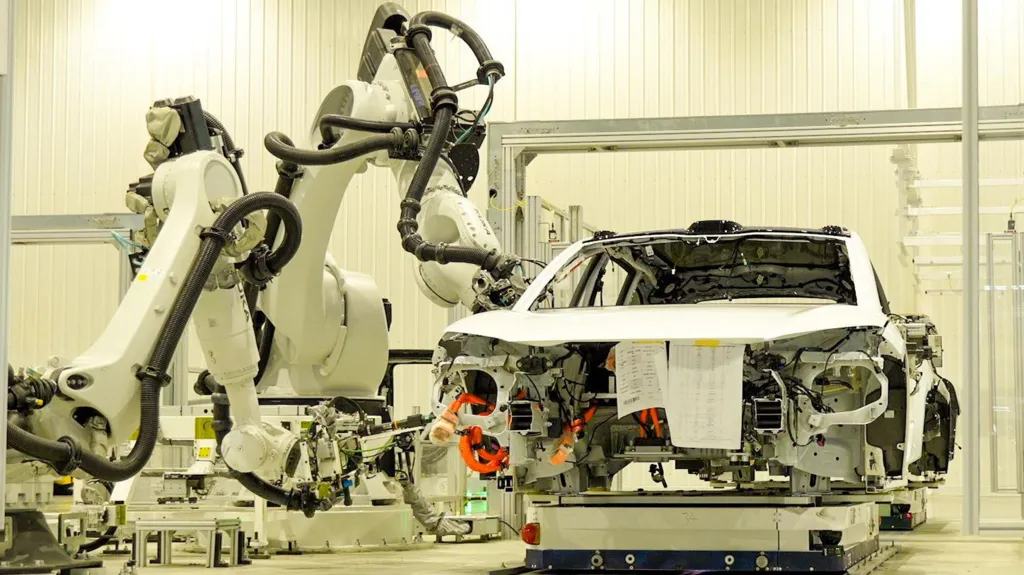
Figure AI’s BotQ factory is now producing one Figure 03 humanoid robot every hour. That number is small by manufacturing standards. By robotics standards, it is extraordinary. For most of the past decade, humanoid robots existed almost entirely in research labs and viral demo videos. The shift to hourly production runs marks a threshold that the industry has been working toward for years.
Production meets investment
The Figure AI milestone arrived alongside a funding story that underlines how seriously capital is now following the hardware. Neura Robotics, a German humanoid robotics company, closed a Series C financing worth up to $1.4 billion in June 2026, backed by Tether, Qualcomm, Amazon, and Nvidia. The round valued Neura at approximately $7 billion. The participation of Amazon and Nvidia is significant: both companies have material interests in seeing humanoid robots deployed at scale, in warehouses and on factory floors respectively.
Robotics companies have raised $55.8 billion so far in 2026, according to market data, nearly double the previous annual record. That figure reflects a broad category that includes autonomous vehicles and industrial automation, but humanoid robots are drawing an increasing share. Boston Dynamics is shipping its first 2026 Atlas units to Hyundai and DeepMind. BYD confirmed in June that it is entering the humanoid robotics sector, leveraging its existing expertise in batteries, sensors, and software. The Chinese automaker is one of the most vertically integrated manufacturers on the planet. Its entry into humanoids is not a pivot. It is an extension of capabilities it already owns.
China’s national push
China’s Ministry of Industry and Information Technology and the State-owned Assets Supervision and Administration Commission launched a joint initiative this month to accelerate humanoid robot adoption nationally. The programme targets more than 100 high-value application scenarios by the end of 2026 and calls for deployment of more than 10,000 humanoid robots at scale.
The initiative is not just aspiration. Beijing-based Galbot has already deployed humanoid robots inside FamilyMart convenience stores in Beijing, where the robots prepare coffee, retrieve drinks, and serve customers without human supervision. It is a constrained environment, a small store with predictable layouts and a defined set of tasks, but that is precisely where deployments tend to start before expanding. The FamilyMart pilot is the kind of proof point that shifts procurement conversations from theoretical to practical.
What the industrial case actually looks like
The economics of humanoid robots hinge on whether they can perform enough different tasks in a single facility to justify their cost. A machine that can do only one thing can rarely be priced to compete with purpose-built automation. The promise of humanoids is adaptability: a robot designed for a human-scale environment can theoretically shift between tasks without being retooled. Warehouses, distribution centres, and light manufacturing are the first proving grounds because they combine repetitive tasks with enough variation to make flexibility valuable.
Figure 03’s production ramp at BotQ is a direct test of this thesis at Hyundai, which has a joint agreement with Boston Dynamics that puts robot deployment inside its manufacturing operations. If the data coming back from those deployments shows acceptable error rates and real labour cost offsets, it will be cited in every subsequent enterprise sales conversation in the sector.
Where the market goes next
The global humanoid robot market was valued at approximately $1.8 billion in 2023. Projections for 2028 put it at $13.8 billion, representing a compound annual growth rate above 50 percent. Those projections were made before the current production and funding inflection. The actual trajectory may be steeper.
Investors are clearly betting that way. The $55.8 billion raised by robotics companies in 2026 is not speculative overhang from the 2021 tech boom. It is fresh capital flowing into a sector where hardware is finally reaching production volumes, enterprise pilots are returning data, and a geopolitical competition between the United States and China is accelerating deployment timelines on both sides. The next 12 months will do more to define the humanoid market than the previous 12 years combined. For more on robotics and physical AI, visit Mylistingo.