A Media Milestone Decades in the Making
For the first time in Dutch history, streaming revenue has overtaken traditional television revenue, marking a watershed moment for the Netherlands’ media landscape. According to new figures from the Dutch Media Authority (Commissariaat voor de Media), streaming platforms generated approximately €2.8 billion in Dutch revenue during the first half of 2026, edging past the €2.6 billion brought in by linear television broadcasters.
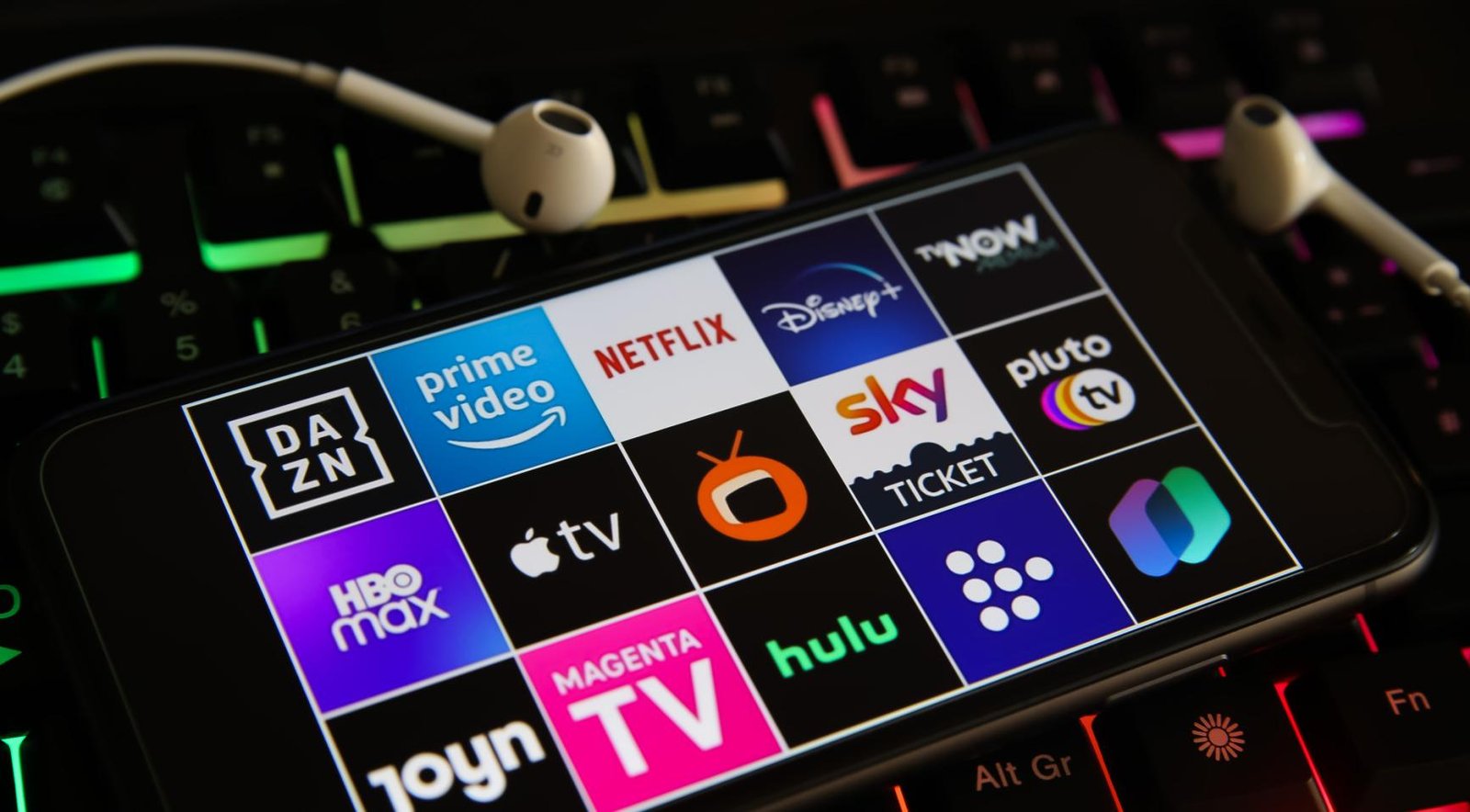
The crossover, while long anticipated, arrived faster than most industry analysts had predicted. Just five years ago, traditional TV revenue in the Netherlands was more than double that of streaming services. The acceleration reflects both the continued expansion of global platforms like Netflix, Amazon Prime Video, and Disney+ — and an increasingly sophisticated local streaming ecosystem.
Dutch Platforms Hold Their Own
While international giants dominate subscriber counts, Dutch platforms have carved out meaningful niches. NPO Start, the streaming arm of the Netherlands Public Broadcasting system, has seen its user base grow 40% year-over-year, driven by popular domestic series and live sports coverage. Videoland, owned by RTL Nederland, continues to invest heavily in Dutch-language original productions, including the hit crime drama Mocro Maffia.
“Dutch audiences haven’t abandoned local content — they’ve just changed how they access it,” said media analyst Floor Brands of the University of Amsterdam. “The platform has changed, but the appetite for stories that reflect Dutch culture and society is as strong as ever.”
Advertising Follows Audiences
The revenue shift is being driven primarily by advertising. As audiences — particularly in the coveted 18-49 demographic — migrate from linear TV to on-demand platforms, advertisers have followed. Streaming advertising revenue in the Netherlands grew by 28% in the last year alone, while linear TV ad spending declined 11% over the same period.
For The Hague, home to several major media and telecommunications regulatory bodies, the milestone carries policy implications. The Dutch government has been debating an update to the Media Act (Mediawet) that would impose investment obligations on streaming platforms operating in the country — requiring them to reinvest a percentage of their Dutch revenue into local productions, similar to rules already in place in France and Germany.
What Comes Next
The shift from linear to streaming is expected to accelerate further, with some projections suggesting streaming could account for 65% of all Dutch media revenue by 2028. Traditional broadcasters are responding by launching their own streaming-first offerings and experimenting with hybrid models that combine scheduled programming with on-demand libraries.
For Dutch consumers, the transformation means more choice than ever — but also growing subscription fatigue. The average Dutch household now subscribes to 3.4 streaming services, at a combined monthly cost of approximately €38, according to Telecompaper. Industry consolidation, already underway with mergers and bundling deals, is likely to reshape the competitive landscape in the years ahead.
The Netherlands, for internationals
One email a week: the week's news for internationals in the Netherlands, new practical guides and what changed in the cities. No spam, unsubscribe any time.