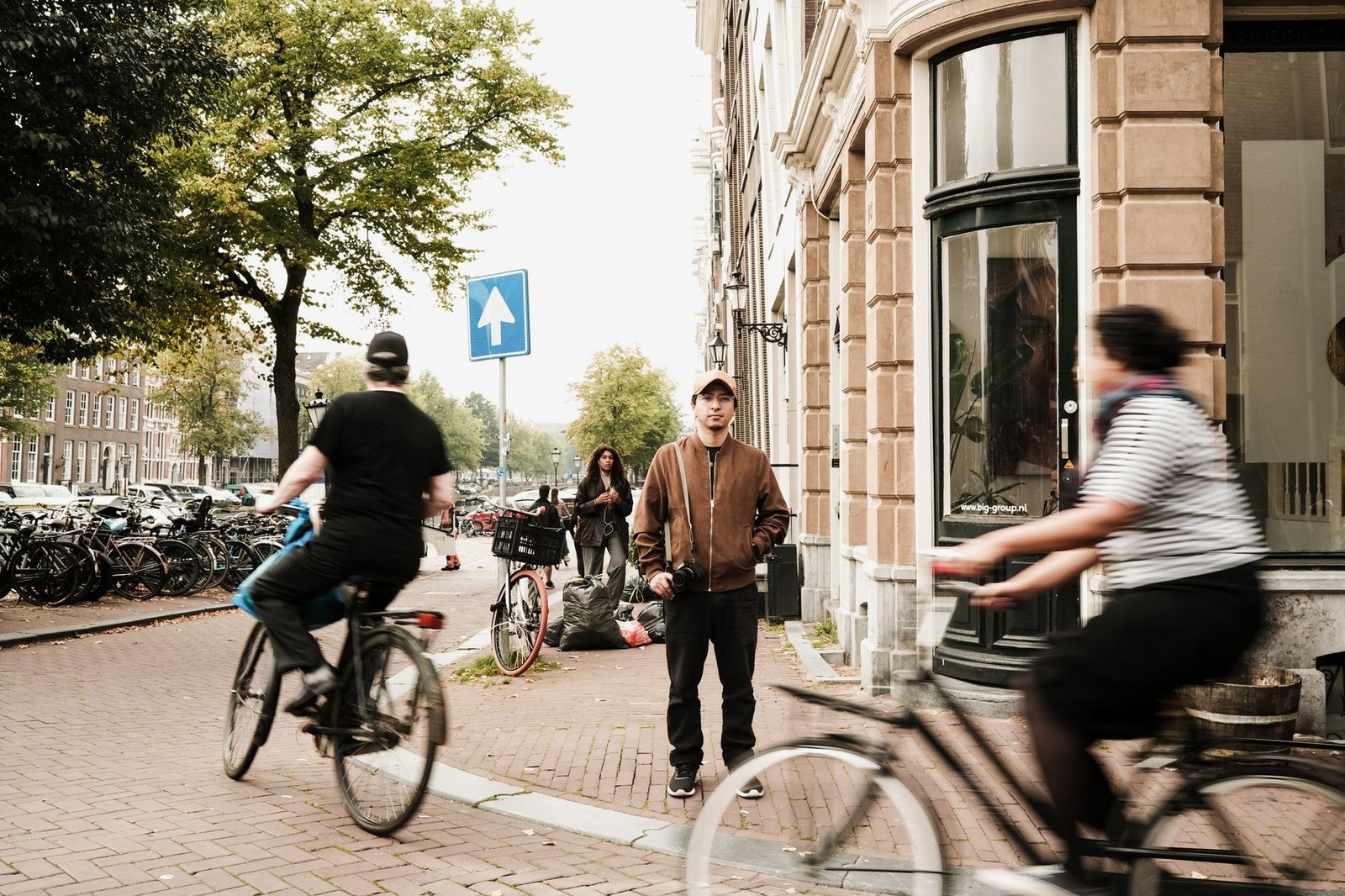
Why the Dutch Are Obsessed with Cycling
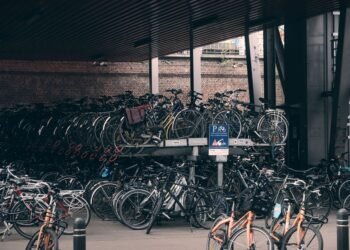
The Netherlands is a cyclist’s paradise. With over 37,000 kilometers of dedicated bike paths, more bicycles than people (23 million bikes for 17.8 million residents), and a culture built around two wheels, cycling is not just transportation—it is a way of life.
If you have just moved to The Hague or anywhere in the Netherlands, getting a bike is probably the first thing you should do after registering at the municipality. Here is your complete guide to Dutch cycling culture in 2026.
The Unwritten Rules of Dutch Cycling
Dutch cyclists operate on a combination of official traffic rules and unwritten social codes. Understanding both is essential for survival on the bike path.
1. The Bike Lane Is Sacred
Never walk on the red-colored bike path. Tourists learn this the hard way. The “fietspad” is for bikes only, and Dutch cyclists will not hesitate to ring their bell at you—loudly.
2. Hand Signals Matter
Always extend your arm to indicate turns. It is legally required and deeply appreciated by fellow cyclists. No signaling means no predictability—and that leads to accidents.
3. Lights at Night Are Mandatory
Riding without front and rear lights after dark can get you a €75 fine. Police regularly conduct checks, especially in autumn and winter. Invest in good LED lights.
4. The “Omafiets” Is Your Best Friend
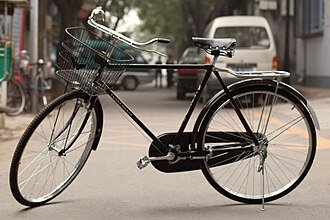
Forget racing bikes and mountain bikes. The classic Dutch “omafiets” (granny bike) is perfect for city commuting. It is heavy, sturdy, upright, and practically indestructible. Plus, thieves are less likely to target a beat-up omafiets.
5. Ring Your Bell, But Politely
The bicycle bell is not an aggression tool—it is a communication device. A single “ting” means “I am here, please make space.” Rapid ringing means “You are doing something dangerous.”
Where to Buy a Bike in The Hague
New Bikes (Budget €400–€800):
- Decathlon The Hague — Affordable new bikes with warranty
- Stationsfiets — Conveniently located at Den Haag Centraal and Hollands Spoor
- Swapfiets — Subscription model: €19.90/month including repairs
Second-Hand Bikes (Budget €80–€250):
- Facebook Marketplace — Great deals but beware of stolen bikes
- Local bike shops in Regentessekwartier — Refurbished bikes with short warranties
- Marktplaats.nl — The Dutch Craigslist equivalent
Pro tip: Always ask for the original receipt and frame number when buying second-hand. If the seller cannot provide it, walk away—it is likely stolen.
Essential Cycling Gear for Dutch Weather
The Netherlands experiences all four seasons in a single day. Be prepared:
- Rain gear: A good rain jacket and rain pants are non-negotiable. Hema and Decathlon sell affordable options
- Pannier bags: Backpacks make you sweaty. Panniers keep your back ventilated and your groceries secure
- Gloves: Winter cycling at -5°C with a headwind is brutal without gloves
- Helmet: Not mandatory in the Netherlands, but increasingly popular among expats and e-bike riders
Cycling Routes Near The Hague
Dunes Loop (25 km): From Scheveningen through Meijendel dunes to Wassenaar and back. Stunning North Sea views and wildlife spotting opportunities.
Delft Day Trip (30 km round trip): A flat, scenic ride along the Vliet canal to the historic city of Delft. Stop for lunch at the Markt square and visit the Royal Delft factory.
Westland Greenhouse Tour (20 km): Cycle through the massive greenhouse complexes of the Westland region, the heart of Dutch horticulture. Surreal landscapes especially at sunset when the greenhouse lights glow orange.
E-Bikes: The 2026 Revolution
Electric bikes now account for over 55% of new bike sales in the Netherlands. For longer commutes (Delft to The Hague, Rotterdam to The Hague), an e-bike can cut travel time by 30–40%. Popular brands include VanMoof, Gazelle, and Stella. Budget €1,500–€3,000 for a quality e-bike.
Final Advice for New Arrivals
Start with a cheap second-hand bike. Learn the rules on quiet residential streets before tackling busy routes like the Grote Marktstraat. And remember: in the Netherlands, the cyclist is almost always right. Enjoy the ride!
The Hague, for internationals
One email a week: what changed for internationals in The Hague, the week's news from the Netherlands, and one guide worth reading. No spam, unsubscribe any time.