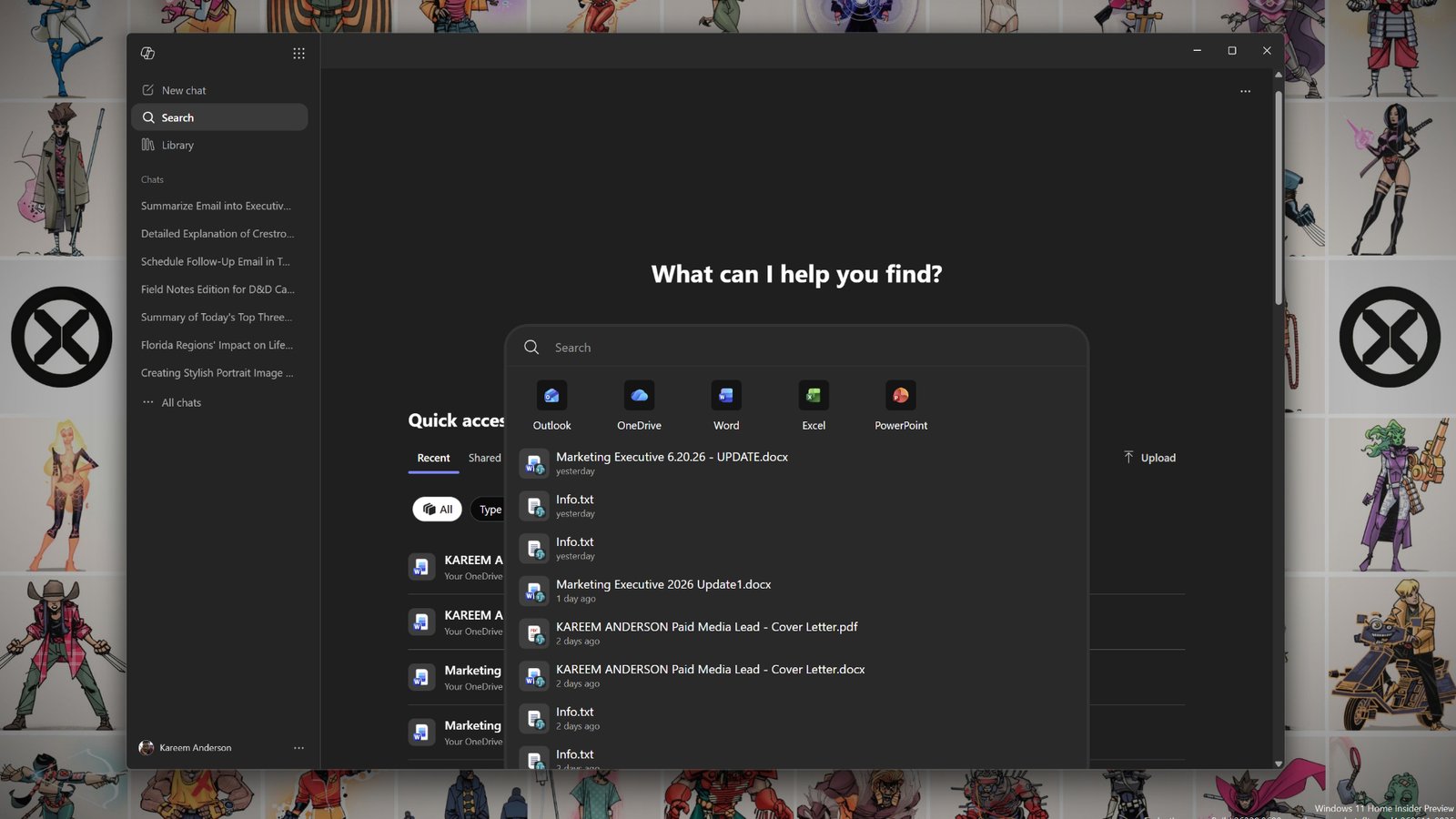
Microsoft’s AI Assistant Gets Smarter
Microsoft has rolled out a substantial mid-2026 update to its Copilot AI assistant, deepening integration across the Microsoft 365 suite and adding features that push the tool from “helpful autocomplete” toward “genuinely autonomous productivity partner.” The update, which began reaching enterprise customers in late June, represents Microsoft’s most aggressive AI deployment since Copilot first launched in 2023.
The standout feature is “Copilot Actions,” which allows the assistant to execute multi-step workflows across applications. A user can type “prepare my quarterly sales review” and Copilot will gather data from Excel spreadsheets, create PowerPoint slides with charts, draft a summary email in Outlook, and schedule a Teams meeting with the relevant stakeholders — all without further input. Microsoft says Actions are scoped to the user’s own data and permissions, with no cross-tenant data sharing.
Excel and Word Get the Biggest Upgrades
Excel has received what may be the most transformative update in the application’s 40-year history. Copilot can now build complex financial models from natural language descriptions, detect anomalies in large datasets, and suggest corrective actions with explanations of its reasoning. A new “What If” feature lets users ask questions like “how would a 2 percent interest rate increase affect our Q3 projections?” and receive both numerical answers and visualizations in seconds.
In Word, Copilot’s research capabilities have been dramatically expanded. The assistant can now pull in citations from the web in real time, distinguish between primary and secondary sources, and flag potential factual errors in the text. For legal and academic users, this transforms Word from a writing tool into something closer to a research collaborator. Microsoft has also added a “tone slider” that adjusts writing style along multiple dimensions — formal to casual, technical to accessible, concise to detailed.
The Enterprise AI Battle
Microsoft’s Copilot push is central to the company’s strategy of defending its enterprise dominance against Google Workspace and a growing number of AI-native productivity startups. With over 400 million paid Microsoft 365 seats worldwide, even modest Copilot adoption translates to billions in recurring revenue. The question is whether users will trust an AI assistant with the full scope of their work data — and whether Copilot is good enough to justify the $30 per user monthly add-on fee. Early enterprise feedback suggests that for power users in finance, legal, and consulting, the answer is increasingly yes.
The Netherlands, for internationals
One email a week: the week's news for internationals in the Netherlands, new practical guides and what changed in the cities. No spam, unsubscribe any time.