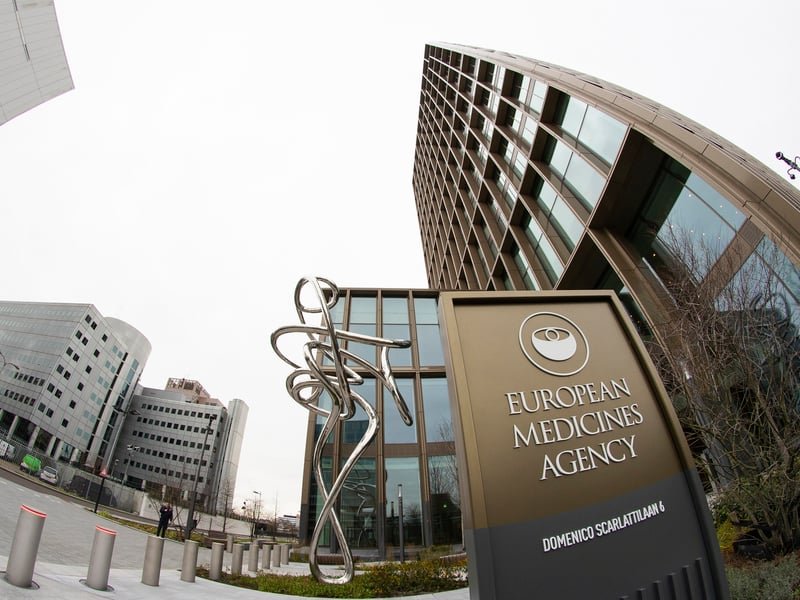
Amsterdam’s Rising Role in Global Health Regulation
When the European Medicines Agency (EMA) relocated from London to Amsterdam following Brexit, few predicted just how transformative the move would be for the Dutch life sciences sector. Five years later, in 2026, the results speak for themselves: Amsterdam has become one of Europe’s most important hubs for pharmaceutical innovation and health technology.
The EMA’s presence has attracted a wave of investment and talent. Over 60 pharmaceutical and biotech companies have established or expanded their Amsterdam operations since the relocation, creating an estimated 15,000 high-skilled jobs. The Netherlands now ranks third in Europe for life sciences patent applications, trailing only Germany and Switzerland.
The Clustering Effect
The EMA’s presence has created what economists call an “anchor institution effect.” The agency’s need for specialised services — regulatory consulting, clinical trial management, pharmacovigilance, health economics — has spawned an entire ecosystem of supporting businesses.
Amsterdam’s Zuidas business district now hosts a concentration of regulatory affairs consultancies, legal firms specialising in pharmaceutical law, and health technology startups that rivals anything in Basel or Boston. The proximity to the EMA means companies can engage with regulators more efficiently, accelerating the drug approval process.
This clustering extends to academia as well. The University of Amsterdam and VU Amsterdam have both expanded their life sciences programmes, and the Amsterdam UMC teaching hospital has deepened its research collaboration with pharmaceutical companies based in the city.
Health Tech and AI
The Amsterdam life sciences ecosystem is increasingly intersecting with the city’s strength in artificial intelligence. AI-driven drug discovery startups, digital therapeutics companies, and health data platforms are all finding fertile ground in the Dutch capital.
The Netherlands’ strong digital infrastructure, multilingual workforce, and central European location make it an ideal base for companies seeking to scale across the EU market. GDPR-compliant health data handling frameworks developed in the Netherlands are now being adopted as best practices across Europe.
What’s Next
The Dutch government has committed €500 million to a new “Life Sciences Campus” near the EMA headquarters, designed to house startups, scale-ups, and research facilities in a single innovation district. With the global pharmaceutical market projected to exceed €2 trillion by 2028, Amsterdam is positioning itself at the centre of Europe’s health innovation economy.
The Netherlands, for internationals
One email a week: the week's news for internationals in the Netherlands, new practical guides and what changed in the cities. No spam, unsubscribe any time.