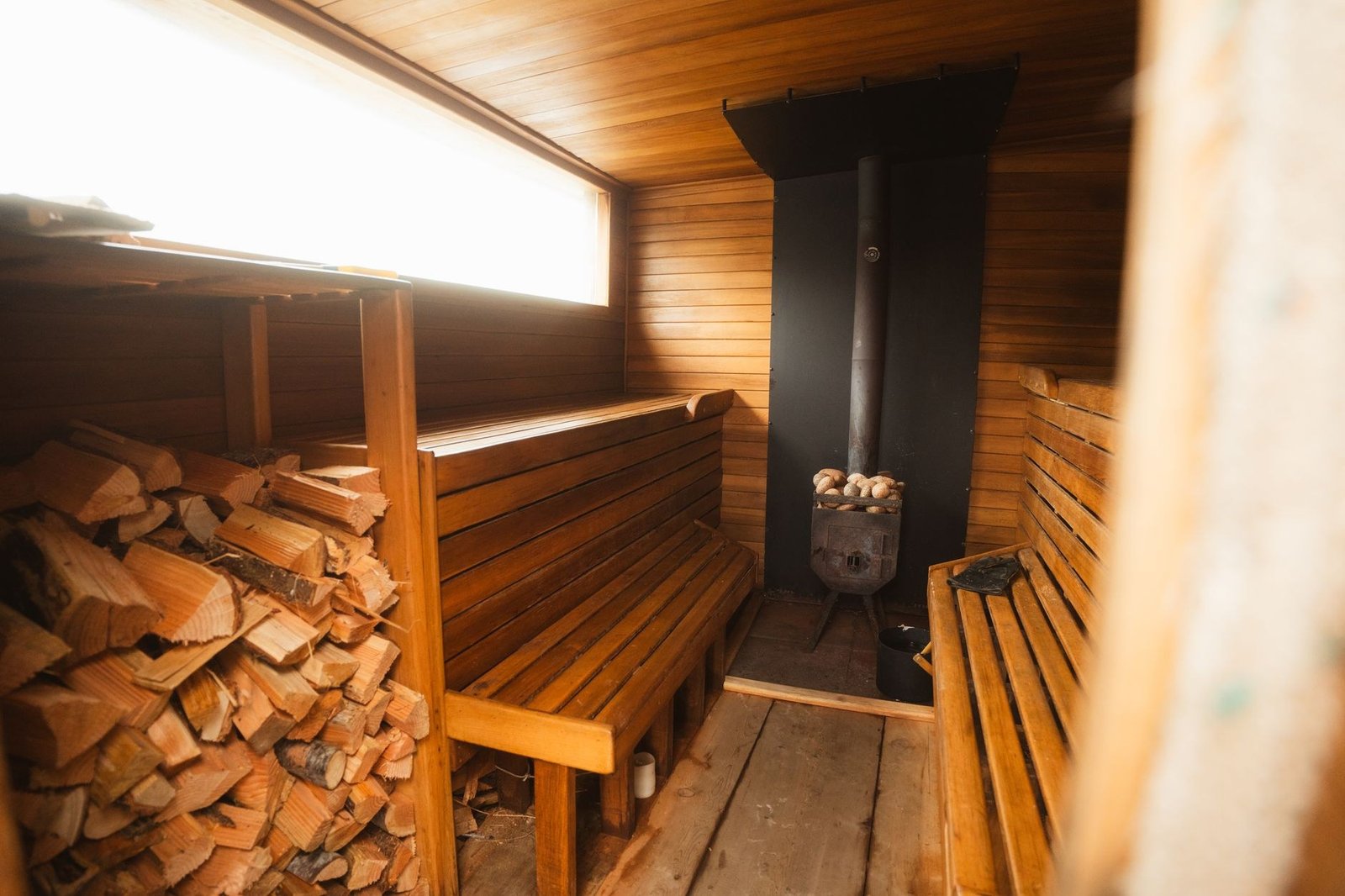
A sauna and wellness resort in Hierden, near Harderwijk, told a woman wearing a burkini to leave, around four hours into her visit. The College voor de Rechten van de Mens, the Netherlands Institute for Human Rights, has ruled that this amounted to discrimination on grounds of religion and sex, NOS reports.
What happened
The visit took place in June of last year, at the Zwaluwhoeve in Hierden. According to NOS, that day was a badkledingdag, a swimwear day, meaning the house rules allowed guests to wear a swimsuit or swimming trunks rather than the textile-free approach many Dutch saunas use on ordinary days. Those same rules did not permit clothing that covers the whole body.
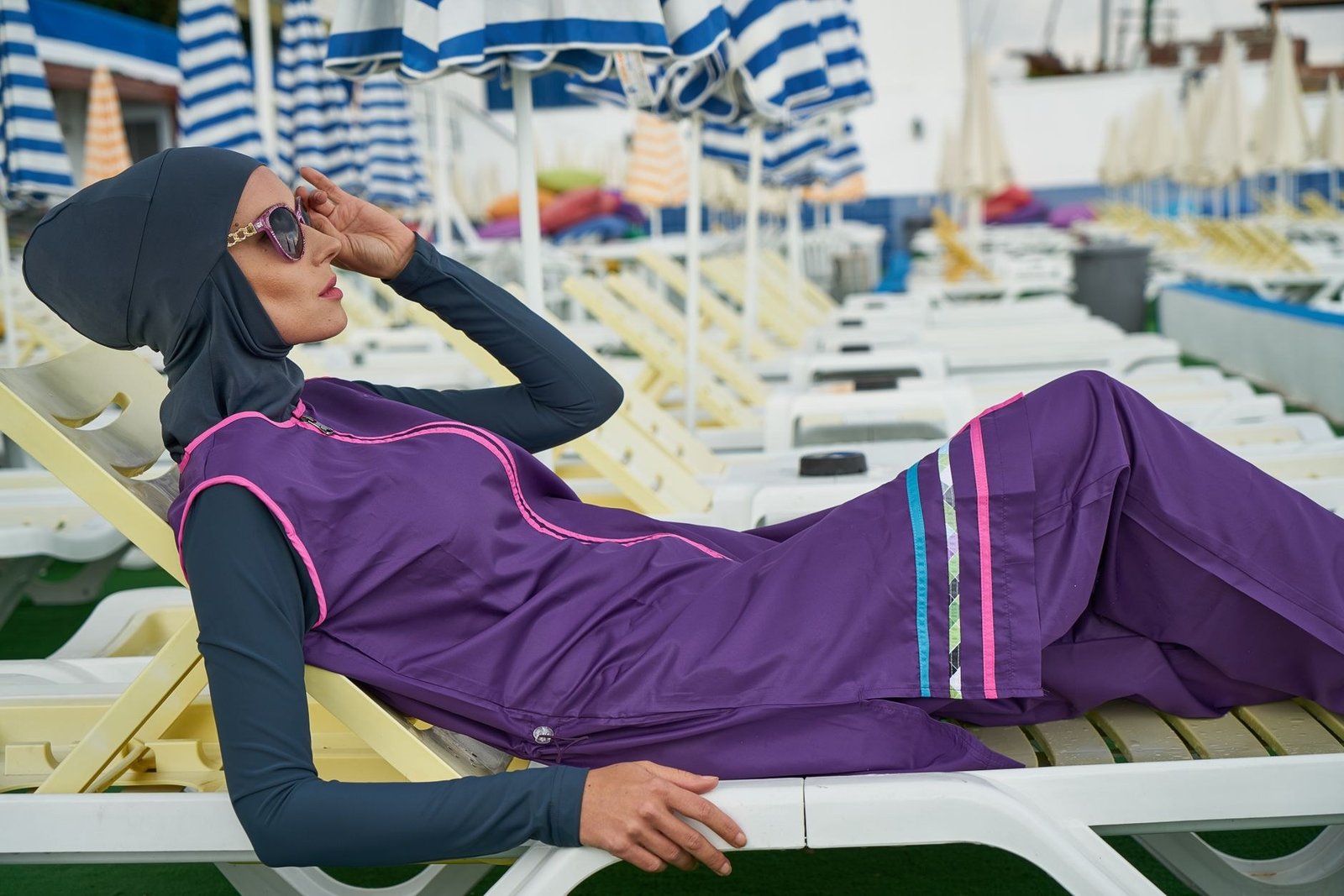
The woman is Muslim and was wearing a burkini: a full-cover swimsuit made of swimwear fabric, consisting of a headscarf, a long-sleeved top and long trousers. She had been on the premises for roughly four hours when a member of staff told her she had to go.
She then took the case to the institute, arguing that the company’s clothing rules mean that Muslim women in particular end up being refused entry. The company defended its rules by saying they are necessary for the health, safety and hygiene of guests. The institute was not convinced: according to NOS, it found that the company had not backed this up sufficiently, and that research has shown there is no difference in hygiene between different types of swimwear.
One detail matters for anyone thinking of using the same route. Rulings by the College voor de Rechten van de Mens are not legally binding. The institute told NOS that in practice, a ruling establishing discrimination leads to some form of action in more than 80 percent of cases, such as an apology from an employer or a change of policy. The company had not responded to the ruling at the time of the NOS report.
Why it matters in the Netherlands
If you have moved here from elsewhere, the useful part of this story is not the sauna. It is the machinery behind it. The Netherlands has a general equal treatment law that covers far more than employment, and religion and sex are both protected grounds under it. The law reaches into the everyday commercial transactions that make up a life here: joining a gym, buying a service, taking a course, renting a flat, eating in a restaurant.
Housing is where internationals feel this most sharply. Discrimination by landlords and letting agents, including refusals based on origin, religion or family situation, falls under the same equal treatment framework that produced this sauna ruling. Many municipalities also regulate letting agents through rental permit rules, and every municipality in the country is required by law to provide an anti-discrimination service that residents can contact for free advice and support. If a viewing suddenly evaporates after a name or a headscarf enters the conversation, there is a formal place to take that, not only a group chat.
The cost angle is the part people usually get wrong. Going to a civil court in the Netherlands means court fees, usually a lawyer, and months of your life. Filing a request for a ruling with the College voor de Rechten van de Mens costs nothing and does not require a lawyer, which is exactly why it is the first stop for most people. The trade-off is in the enforcement: a court can award damages and order a company to act, while the institute issues a judgment that carries moral and reputational weight rather than a bailiff. The 80 percent compliance figure the institute gave NOS is the whole argument for why the free route is still worth taking.
Then there is daily life, and Dutch sauna and pool culture is a genuine point of friction for newcomers. Saunas here are traditionally textile-free, and swimwear days are the exception rather than the rule. Public pools, gyms and swimming schools all publish their own dress and hygiene rules, and those rules are usually written by people who have never had to think about what they exclude. This ruling puts a limit on that. A business can still set clothing rules, but if a rule keeps out a specific religious group, it now has to show real evidence that health, safety or hygiene actually require it. The institute’s point about research finding no hygiene difference between swimwear types removes the easiest justification companies reach for.
Transport and other public-facing services sit in the same legal family. Access rules set by a company are not automatically lawful just because they are printed on a sign or buried in the huisregels you clicked past when booking online. House rules are not a private legal system.

What to watch next
The immediate question is what the Zwaluwhoeve does. NOS reported that the company had not yet reacted to the ruling. Watch whether it revises its swimwear day rules, issues an apology, or simply lets the matter sit, because that decision will tell other operators in the sector how much a non-binding ruling really costs them.
The wider thing to watch is whether other pools, saunas and gyms quietly update their clothing policies before anyone complains. Rulings like this tend to spread through an industry via insurers, trade associations and cautious legal advisers rather than through headlines.
Practically, if you think you have been refused a service because of your religion, sex, origin or another protected ground, write down the date, the location, the name of the staff member and what was said, and keep any emails or booking confirmations. That record is what turns a bad afternoon into a case. Contact your municipal anti-discrimination service first, and decide from there whether you want a free ruling from the institute or a court claim with teeth.
Source: NOS
Sources
- NOS: Vrouw in boerkini ten onrechte uit sauna Hierden gestuurd, accessed 22 September 2026