



This guide is for people who have recently moved to the United Kingdom and want to understand whether Universal Credit is open to them. After reading it, you will know the main eligibility conditions, which extra points apply to people from abroad, and how a claim fits alongside other benefits.
- What Universal Credit is
- The basic conditions
- If you have moved from abroad
- Couples, students and young people
- How a claim works
- FAQ
What Universal Credit is
Universal Credit is a payment to help with living costs. The GOV.UK Universal Credit guide says it is paid monthly, or twice a month for some people in Scotland. You may be able to get it if you are on a low income, out of work or unable to work.
The GOV.UK guide is also published in Welsh and in an easy read format. Northern Ireland is handled separately: GOV.UK sends residents there to a different service, Universal Credit in Northern Ireland. The official pages used for this guide do not set out how the Northern Ireland rules differ, so readers there will find their details in that separate service rather than here.
The basic conditions
The official eligibility page says Universal Credit can apply whether you are out of work, working (including self-employed or part-time), or unable to work, for example because of a health condition. To claim, you must:
- live in the UK
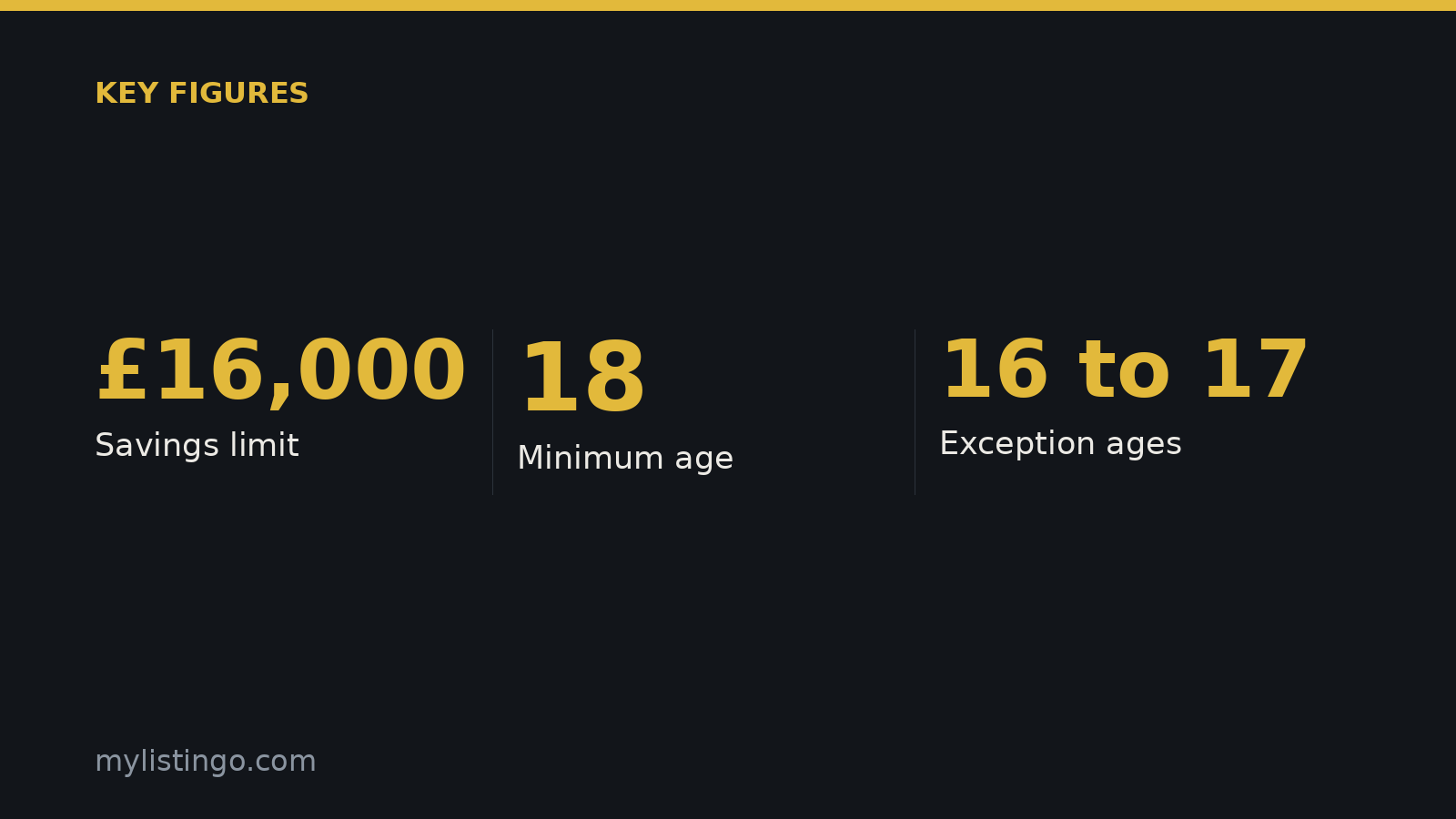
- be aged 18 or over, with some exceptions for people aged 16 to 17
- be under State Pension age
- have £16,000 or less in money, savings and investments
The eligibility page does not say how savings held outside the UK are treated. It does say that your bank or financial institution can share information about you with the Department for Work and Pensions (DWP) to help identify whether your eligibility has changed. That information can include the accounts you hold, how much money you have, and transactions that took place abroad.
GOV.UK also points to a benefits calculator for checking which benefits you could get.
If you have moved from abroad
For most newcomers, the condition that matters first is that you must live in the UK. The two official pages behind this guide do not define it. They do not say how long you need to have been here, what counts as living here, or which visas and immigration conditions allow a claim. DWP decides each claim on its own facts.
For EU, EEA and Swiss citizens, the eligibility page is more specific. You and your family might also need settled or pre-settled status under the EU Settlement Scheme to get Universal Credit, and GOV.UK links to a page where you can check whether you can still apply to the scheme. The page does not explain what happens to a claim from someone who holds neither status.
How a particular visa or status affects benefits is an immigration question as much as a benefits one. People with a specific question of that kind can get help from an immigration adviser regulated by the Office of the Immigration Services Commissioner (OISC) or from a solicitor regulated by the Solicitors Regulation Authority (SRA).
Couples, students and young people
If you live with your partner, you will both need to claim. The household makes one joint claim, even if your partner is not eligible, and the amount depends on your partner’s income and savings as well as your own. For couples who arrived in the UK on different terms, this joint-claim rule still applies.
State Pension age brings its own rules. If only one of you has reached it, you can still claim as a couple, and the claim stops when you both reach it. If you or your partner already get Pension Credit, it stops when either of you claims Universal Credit. GOV.UK says people will usually be better off staying on Pension Credit and points to the benefits calculator for checking.
Full-time students can claim only in certain situations: if they live with a partner who is eligible, are responsible for a child (single or as a couple), have reached State Pension age and live with a partner below it, or have received a Migration Notice. People aged 21 or under who are studying any qualification up to A level or equivalent and do not have parental support can also claim. Part-time students, and those on a course with no student loan or finance available, may be able to claim.
Full-time students with a disability or health condition can claim if a Work Capability Assessment found them to have limited capability for work before their course started. They must also be entitled to Personal Independence Payment, Disability Living Allowance, Attendance Allowance or Armed Forces Independence Payment. In Scotland, Adult Disability Payment, Child Disability Payment, Pension Age Disability Payment or Scottish Adult Disability Living Allowance also count.
People aged 16 or 17 can claim if any of the following apply:
- they have a health condition or disability and medical evidence for it, such as a fit note
- they care for someone who gets a health or disability-related benefit
- a medical professional has said they are nearing the end of life
- they are responsible for a child, or live with a partner who is eligible and share responsibility for a child
- they are pregnant and expecting the baby in the next 11 weeks, or had a baby in the last 15 weeks
- they do not have parental support, for example they do not live with their parents and are not under local authority care
How a claim works
Once a claim is running, it is managed through a Universal Credit account, and GOV.UK has a sign-in link for people who already have one. Universal Credit is replacing Housing Benefit and income-related Employment and Support Allowance (ESA). People on those benefits do not need to do anything unless their circumstances change or they receive a letter called a Migration Notice. A Migration Notice means you must move to Universal Credit by the deadline in the letter to keep getting financial support.
Housing Benefit and income-related ESA stop when you or your partner claim Universal Credit, and so does Pension Credit. Other benefits, such as Personal Independence Payment or Carer’s Allowance, carry on. Certain other benefits received at the same time will reduce the amount of Universal Credit paid. People whose health condition affects their ability to work might get extra money.
Members of the armed forces stationed abroad can apply, using a specific address. The official pages used here do not list the documents needed for a claim, the steps of the application, or how long the first payment takes. Those details sit with DWP.
FAQ
Can I claim Universal Credit as soon as I arrive in the UK?
The official eligibility page says you must live in the UK, but it does not set a minimum period or explain how living here is assessed. EU, EEA and Swiss citizens might also need settled or pre-settled status. DWP decides each claim, and immigration questions are for an OISC-regulated adviser or an SRA-regulated solicitor.
Do savings held abroad count towards the £16,000 limit?
The limit covers money, savings and investments, and the eligibility page does not say whether it treats money held abroad differently. It does say that banks can share information with DWP, including details of transactions that took place abroad.
What happens if my partner is not eligible?
Couples who live together must make a joint claim for the household, even if one partner is not eligible. The amount paid depends on both partners’ income and savings.
Is Universal Credit the same in Scotland and Northern Ireland?
In Scotland, some people are paid twice a month instead of monthly, and certain Scottish disability benefits count for student claims. Northern Ireland has a separate Universal Credit service, and the GOV.UK pages used here do not describe its rules.
Official sources: gov.uk · gov.uk
Last verified: 30 October 2026 against the official pages linked above. Rules and fees change; the official page always wins.
This is general information, not legal or immigration advice. Immigration advice in the UK may only be given by advisers regulated by the OISC or by solicitors regulated by the SRA.
Sources
- gov.uk: Universal Credit, accessed 30 October 2026 (archived copy)
- gov.uk: Universal Credit, accessed 30 October 2026 (archived copy)
The UK, for internationals
One email a week: the week's news for internationals in the UK, new practical guides and what changed in the cities. No spam, unsubscribe any time.








Comments 1