



This guide is for people from abroad who now live in Toulouse, with or without children, and want the Musée des Augustins to be a regular part of city life rather than a one-off sight. You will find out what is on show right now, how to use the museum’s event calendar, what suits families, and how to plan visits around work and school.
- What the museum shows
- The current exhibition: La Part des anges
- Using the events calendar
- Visiting with children
- Planning your visits
- FAQ
What the museum shows
The Toulouse tourist office lists the Musée des Augustins among the city’s main highlights, alongside the Capitole, the Basilica of Saint-Sernin and the Jacobins Convent. Its official visitor site puts the museum in the same group as the Fondation Bemberg and the Musée Paul-Dupuy as places to see paintings, sculptures and archaeological treasures. It also suggests a museum visit as a good way to spend an afternoon in the centre.
If you arrived recently, you may have heard that the museum was closed for a long time. The museum’s own website says it reopened last winter and is still going through what it calls its métamorphose (transformation), with spaces coming back to the public in stages. The latest step is the salles gothiques, the Gothic rooms, which have been open again since Saturday 3 October. If you went soon after the reopening, that alone is a reason to go back, because these rooms were not open then.
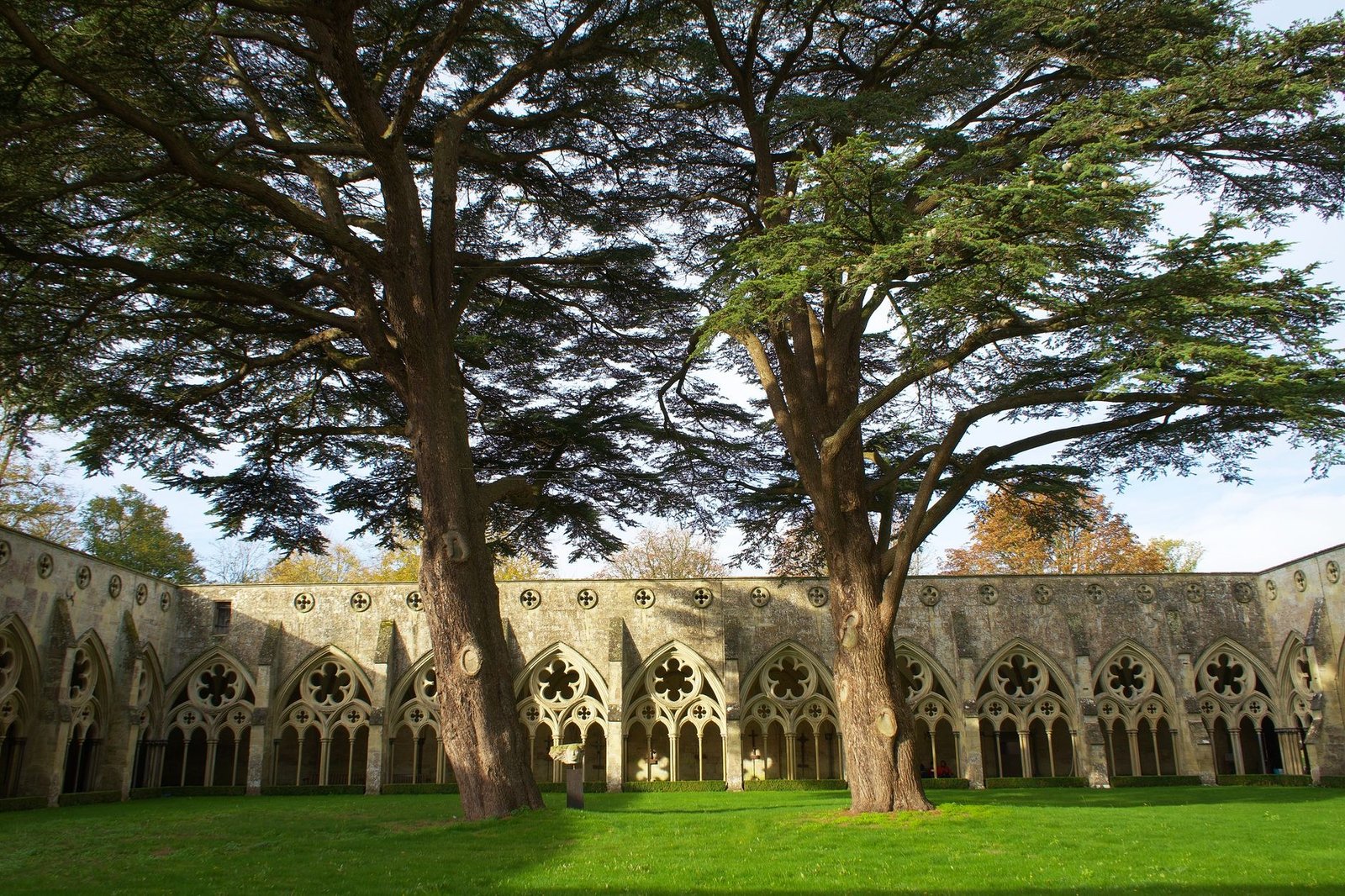
The museum also has a cloître (cloister), which is the focus of a restoration campaign described further down. Because the museum is reopening in stages, the museum you see this year may not be the one you see next year, so repeat visits pay off.
The current exhibition: La Part des anges
The museum has given the artist Nicolas Dhervillers a carte blanche, meaning a free hand to create an exhibition of his choosing. The result is “La Part des anges”, which the museum describes as work that is both intense and poetic. It runs until 22 February 2027.
That long run is good news if you live here. There is no need to squeeze it into a crowded weekend. You can go once on your own, then go back with friends or family who visit over the winter holidays. If you are still learning French, visual work like this can be easier to enjoy than displays with a lot of text, since most of the experience comes from looking.
Using the events calendar
For residents, the most useful part of the museum’s website is the agenda (event calendar), listed under “Prochains rendez-vous” (upcoming events). You can filter it in two ways.
By type of event, the options are workshops and activities, concerts, lectures, exhibitions, major events (grands rendez-vous), unusual events (insolite), talks and meetings (rencontres), performances, courses (stages, which in France usually means a short series of sessions) and guided tours.
By audience, the options are adults, families (en famille), students, young audiences (jeune public), people with disabilities, seniors and all audiences (tout public). You can also narrow the results to this week, tomorrow, this weekend or this month.
A practical habit: on a Thursday evening, set the “this weekend” filter with “en famille” or “adulte”, depending on who is coming. The museum shop hosts events too. On 27 October, for example, the children’s author and illustrator Marie-Constance Mallard signed books there featuring her young heroine, Violette. Dates like this come and go quickly, so check the calendar regularly.
Visiting with children
If you have children, start with the “en famille” and “jeune public” filters, which pick out activities planned for families and younger visitors. The pages used for this guide do not give age limits for specific activities, so read each event listing on the museum’s site before you book or turn up.
For adults, the “adulte” filter brings up events aimed at grown-ups, and the event types include lectures, concerts and guided tours. Students have their own “étudiant” filter, and so do seniors.
If your children need variety, the tourist office lists other family favourites in the city. These include Le Muséum (the natural history museum), the Cité de l’espace, the Halle de La Machine with its Minotaur, and the Saint-Raymond museum of archaeology. A weekend that pairs one fine arts visit with one more hands-on outing tends to suit everyone.
Planning your visits
Prices and opening hours: the pages used for this guide do not list ticket prices, opening hours or booking rules. The museum’s own website has the current details. Spaces are still reopening in stages, so check before each visit rather than relying on what you read months ago.
Language: the museum’s site is available in English, French and Spanish, which helps while you settle in. Some event listings may appear in French only, so keep a translation tool handy for the details.
Making a day of it: the tourist office suggests a museum in the early afternoon, then a stroll through the Saint-Étienne district with its mansions and elegant streets, and an evening walk along the Garonne. It also runs an official guided tour of the city in English from April to September, which gives visiting relatives a good introduction before you take them to the museum.
Staying informed: you can sign up for the museum’s newsletter (lettre d’information) on its website. The museum also launched a new magazine when it reopened, and it is asking readers to fill in a questionnaire about what they would like in future issues. If you have views as a newcomer, this is an easy way to share them.
Getting involved: the museum runs a “Mécènes & Amis” (patrons and friends) programme for people who want to support it. There is also a scheme called “Ma colonne au musée” (my column at the museum), through which you can help pay for the restoration of a column in the cloister. If you want to feel part of your new city, this is a concrete way to do it.
FAQ
Is the whole museum open now?
The museum reopened last winter and is still reopening spaces in stages. The Gothic rooms have been open again since Saturday 3 October. Check the museum’s website to see which areas you can visit at the moment.
How long is La Part des anges on?
The exhibition by the artist Nicolas Dhervillers runs until 22 February 2027, so residents have the whole winter to see it and time to go more than once.
How do I find activities for my children?
Use the museum’s online event calendar and filter by “en famille” (families) or “jeune public” (young audiences). Check each listing for details such as age suitability and booking, as these vary by event.
Where can I find ticket prices and opening hours?
The museum’s official website has the current prices, opening hours and any booking rules. They are not given on the pages used for this guide, so check there before you go.
Official sources: augustins.org · toulouse-tourisme.com
Last checked: 2 November 2026 against the pages linked above. Prices, opening hours and programmes change; the venue’s own site always has the current details.
Sources
- augustins.org: Page d'accueil – Musée des Augustins, accessed 2 November 2026
- toulouse-tourisme.com: Visit Toulouse, France – What to do in Toulouse, accessed 2 November 2026
Toulouse, for internationals
One email a week: what changed for internationals in Toulouse, the week's news from France, and one guide worth reading. No spam, unsubscribe any time.






Comments 2