



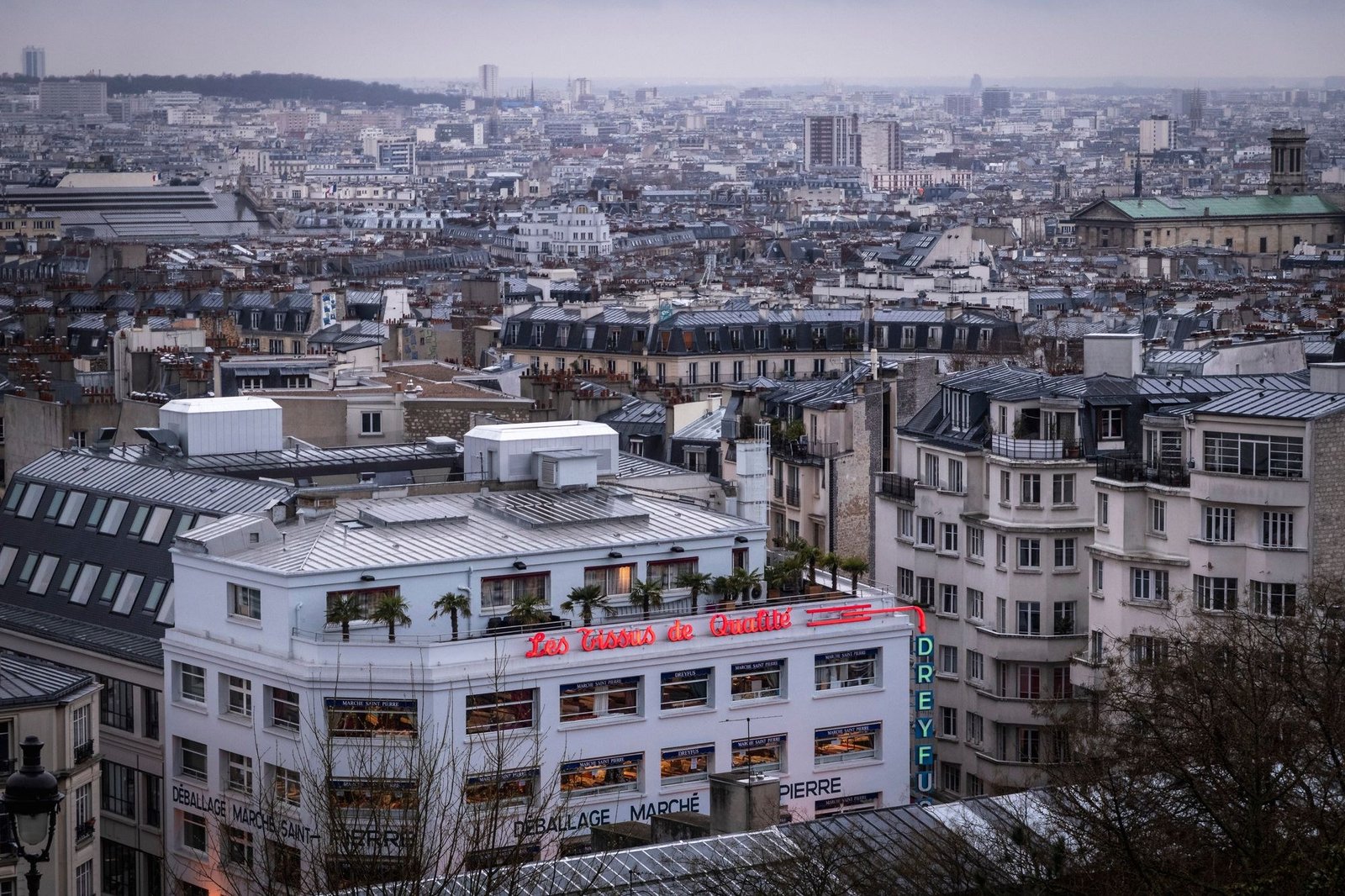
French authorities are urging households to be ready to cope for 72 hours without electricity, water or internet access, France 24 reports. The advice is not new, but a run of cyberattacks and major technical outages has brought it back into focus, and it has become a theme in the campaign for France’s 2027 presidential election.
What happened
For years, the French Interior Ministry’s website has listed a recommended kit d’urgence (emergency kit). According to France 24, the push for 72 hours of household self-sufficiency was formalised in November 2025 in a public civic-security guide called “Tous Responsables” (“Everyone Responsible”), which updated earlier risk-prevention schemes.
Other European countries are doing the same. France 24 notes that in October the UK Cabinet Office launched its “Be Ready” campaign for England and Wales, and that weeks earlier Ireland posted “Be Emergency Ready” booklets to 2.2 million homes. Sweden recommends preparing for at least one week.
Several recent incidents have raised the stakes. France 24 cites a global Microsoft outage, a nationwide ground stop in US aviation, and a disruption to JP Morgan Chase’s transaction processing, which the bank attributed to a hardware bug rather than a cyberattack. In France, authorities said last month that they had traced an attack on supermarket refrigeration systems to an Iranian cyber operation. Hackers allegedly raised temperatures from -1°C to over 50°C, which affected nearly 700 French food distribution sites and ruined whole stocks of perishable food. The article also mentions a later attack on a French blood bank.
France’s national cybersecurity agency, ANSSI (Agence nationale de la sécurité des systèmes d’information), recorded 1,366 confirmed malicious incidents in 2025 out of 3,586 security events it handled. François Mattens, a lecturer in defence and security strategy at Sorbonne University and Sciences Po, told France 24 that “the threat is very real”. He and other experts quoted also warned against social media posts that inflate these events into signs of imminent catastrophe.
What it means for you
The official advice applies to every household in France, and the message from emergency planners is practical rather than alarmist. They describe 72 hours as a realistic window: the time it can take to clear roads, repair substations, restore telecoms or reroute supplies.
The kit d’urgence recommended by the Interior Ministry contains:
- six litres of bottled water per person
- non-perishable food
- a wind-up radio
- cash
- a torch
- identity documents
For foreign residents, the identity documents point matters most. Keep your passport, titre de séjour (residence permit) and other key papers together where you can reach them quickly. Cash is also worth having, because card payments may not work during a long outage.
France 24 points out how much daily life in France depends on a constant connection. Health reimbursements through the Carte Vitale (the national health insurance card), ticketing on the SNCF (the national rail operator) and the Linky smart electricity meters fitted in 95 percent of households all rely on it. If you depend on any of these, think about how you would cope if they stopped working for a few days.
There is reassurance in the record, though. France runs the ORSEC framework, a decentralised civil protection system that a préfet (the State’s representative in each département) activates when a crisis is too big for local services. After Storm Ciarán in November 2023 left 1.2 million households without electricity and killed five people, Enedis, the public grid operator that supplies 95 percent of continental France, restored power to 95 percent of customers within five days. Enedis says it can usually restore power within 48 hours for 90 percent of customers affected by major storms.
What to watch next
National resilience is now part of the 2027 presidential race. Bernard Benhamou, Secretary General of the Institute for Digital Sovereignty in Paris, told France 24 that this is the first time a technology issue has been raised by all the candidates. According to the meteorologist and ethical hacker Gaël Musquet, Jean-Luc Mélenchon, leader of the far-left La France insoumise (France Unbowed), has included proposals on national threats in his campaign. Musquet also said that David Lisnard, Mayor of Cannes and a new candidate on the right, has prepared the city for the risk of tsunamis, and that Nice is the only other French city to have done so.
Mattens told France 24 that the next step should be to build preparedness into schools, workplaces and local communities. Watch for how the candidates turn these ideas into concrete policy, and for any update to official guidance on the Interior Ministry’s website.
Source: France 24
Sources
- France 24: Three days in the dark: How prepared are we for the lights to go out?, accessed 28 November 2026 (archived copy)
France, for internationals
One email a week: the week's news for internationals in France, new practical guides and what changed in the cities. No spam, unsubscribe any time.






Comments 1