Apple has filed a federal lawsuit against OpenAI, accusing the artificial intelligence company of orchestrating a systematic effort to steal its trade secrets through the hiring of former Apple employees. The complaint, lodged on Friday, names OpenAI, two of its employees, and io Products, a design startup founded by longtime Apple executive Jony Ive that OpenAI acquired last year.
The legal action marks a dramatic shift in what had been a cooperative relationship between the two tech giants. Apple had previously integrated OpenAI’s ChatGPT into its devices as part of a broader push to offer more AI features. But the lawsuit alleges that OpenAI engaged in a deliberate strategy to extract Apple’s confidential information, leveraging the knowledge and access of former Apple staff.
The Allegations
According to the lawsuit, at least two former Apple employees who joined OpenAI allegedly took part in this pattern by emailing themselves internal Apple documents before leaving the company. Apple claims these individuals had access to sensitive projects, trusted partner relationships, proprietary manufacturing techniques, and unreleased products, giving OpenAI an improper window into Apple’s product plans and operations.
The company also alleges that when OpenAI interviews current Apple employees for potential roles, its interviewers try to extract further confidential information. In some cases, Apple says OpenAI interviewers told prospective hires to bring actual parts from Apple as props for show and tell during their interviews. Apple asserts that all parties it is suing acted in concert as an enterprise, exploiting its confidential information to advance OpenAI’s efforts to enter the consumer hardware market.
An Apple spokesman told the BBC that the lawsuit is based on significant evidence. Drew Pusateri, a spokesperson for OpenAI, responded by saying the company has no interest in other companies’ trade secrets and is focused on building innovative technology. OpenAI is currently reviewing Apple’s complaint.
The Employees and io Products
The lawsuit specifically names Chang Liu, a senior electrical engineer who worked at Apple for eight years, and Tang Yew Tan, a vice president of design for iPhone and Apple Watch who spent 24 years at the company. Tan now serves as OpenAI’s chief hardware officer. By hiring these individuals, Apple claims OpenAI gained insight into unreleased products and manufacturing techniques.
Apple is also suing io Products, the design startup founded by Jony Ive, which OpenAI acquired last year. Ive was a long time Apple executive and design chief, and his firm’s acquisition by OpenAI deepened the ties between the two companies. Apple argues that the acquisition was part of OpenAI’s broader plan to use misappropriated trade secrets to build its own hardware business.
The lawsuit alleges that OpenAI’s misconduct is normalized and exemplified by leadership, making its nascent hardware business rest on shaky foundations. Apple says its illegal reliance on misappropriated trade secrets has rotten its core. The complaint notes that OpenAI is expected to release its first hardware product, a type of keyboard designed to work with its AI tools, later this month.
OpenAI’s Hardware Ambitions and Legal Response
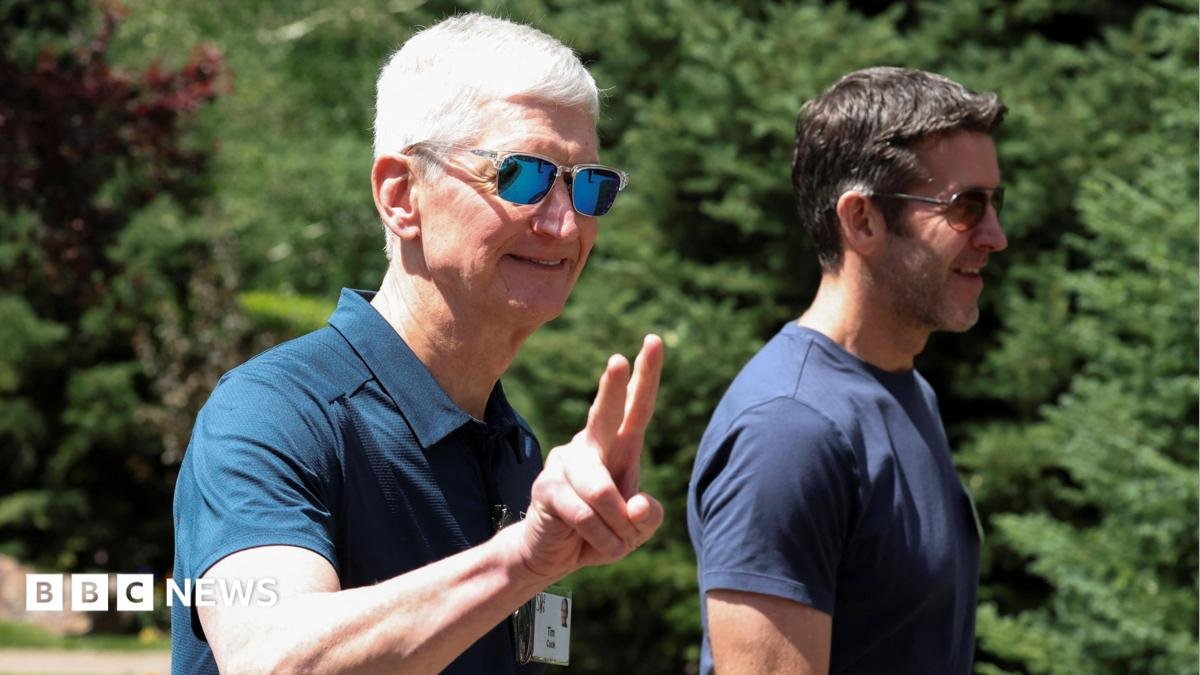
Apple’s lawsuit seeks to immediately prohibit OpenAI from obtaining or using any alleged confidential information and requests unspecified monetary damages. The company also claims it attempted to discuss its concerns with OpenAI in February but was ultimately ignored. The legal battle comes just months after outgoing Apple CEO Tim Cook announced he was stepping down in April.
Cook had publicly supported adding ChatGPT into Apple devices, and OpenAI’s CEO Sam Altman praised Cook as a legend at the time of his departure. But now the relationship has soured entirely. Apple has shifted some of its AI features to run on Google’s Gemini model and tools, distancing itself from OpenAI amid the dispute.
For more on the evolving landscape of artificial intelligence and corporate legal battles, check out the latest AI news on Mylistingo. The outcome of this case could set a precedent for how tech companies handle employee mobility and trade secrets in the rapidly growing AI sector.
The Netherlands, for internationals
One email a week: the week's news for internationals in the Netherlands, new practical guides and what changed in the cities. No spam, unsubscribe any time.