Netherlands Now Has World’s Densest EV Charging Network as Adoption Accelerates
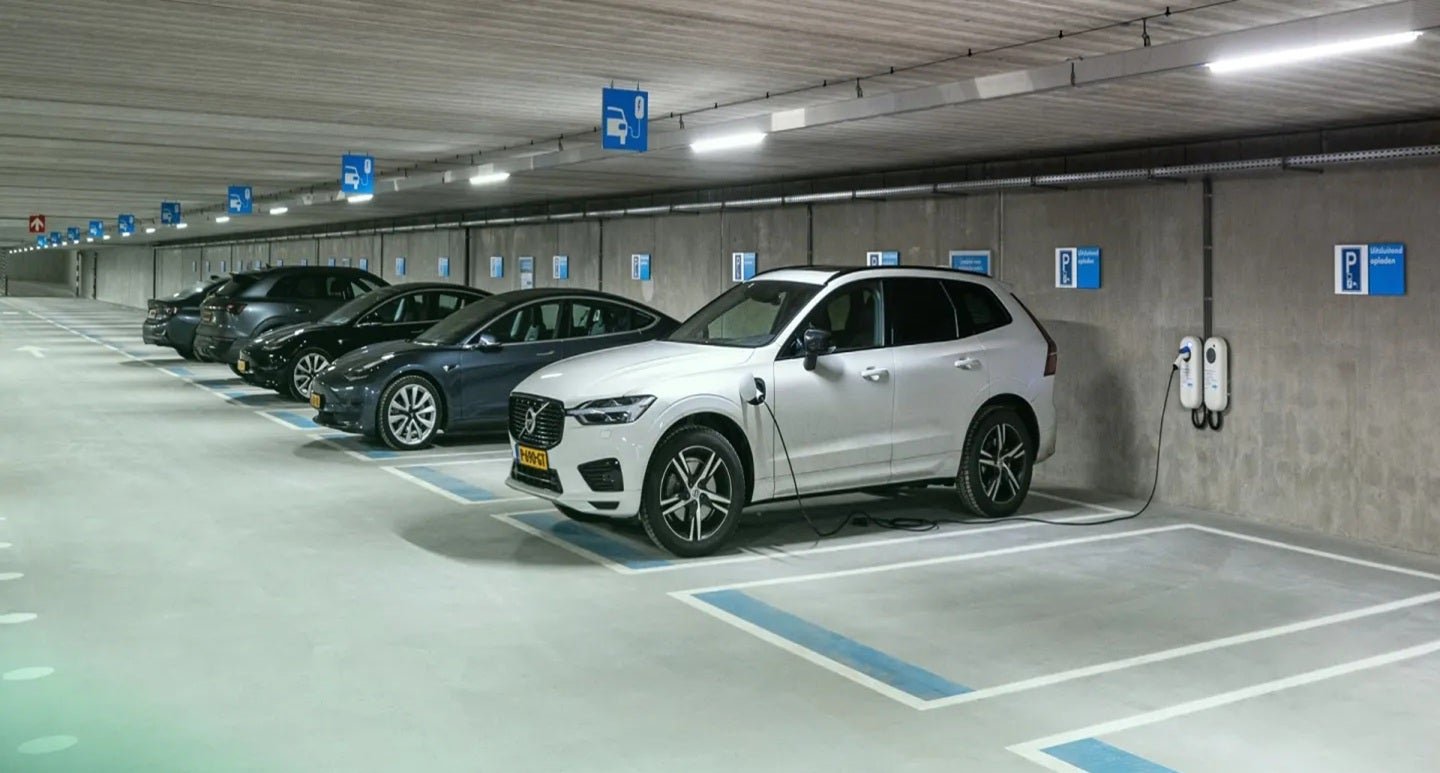
The Netherlands has cemented its position as the global leader in electric vehicle infrastructure, achieving the highest density of public charging points per square kilometer of any country worldwide. With over 175,000 public and semi-public charging stations now operational across the country, Dutch EV drivers are never more than a few minutes from a charging point — a critical factor driving EV adoption rates past 45% of new car sales in 2026.
The achievement reflects years of coordinated policy between national government, provincial authorities, and private charging network operators. The National Charging Infrastructure Agenda (NLA), launched in partnership with the Ministry of Infrastructure and Water Management, has systematically eliminated the charging anxiety that holds back EV adoption in many other countries.
What Makes the Dutch Model Work
Unlike countries that rely primarily on private home charging, the Netherlands has embraced a mixed model. Municipalities proactively install public charging poles in residential neighborhoods where off-street parking is limited — a common scenario in Dutch cities where many residents live in apartments without private driveways.
The “paal volgt auto” (pole follows car) policy means that any EV owner without private parking can request a public charging station near their home, and the municipality will install one if demand warrants it. Combined with fast-charging hubs along major highways operated by companies like Fastned and Allego, the network covers every use case from overnight residential charging to long-distance travel.
The Hague Leads Urban Charging Innovation
The Hague has emerged as a particularly innovative municipality in charging infrastructure. The city has integrated EV chargers into streetlight poles, reducing installation costs and visual clutter, and has mandated that all new residential and commercial buildings include EV-ready electrical infrastructure.
The city’s “Smart Charging” pilot program uses AI-driven load balancing to optimize charging times based on grid capacity, electricity prices, and individual driver preferences — lowering costs for consumers while preventing grid overload during peak hours.
Impact on the Dutch Economy
The dense charging network has created a virtuous economic cycle. High charger availability encourages EV adoption, which creates demand for more chargers, which attracts investment from both domestic and international charging companies. Dutch firms like EVBox, Alfen, and Fastned have become significant exporters of charging technology and expertise, with contracts across Europe, North America, and Asia.
The government’s target of all new cars being zero-emission by 2030 now looks increasingly achievable. With charging infrastructure no longer a barrier, attention is shifting to the next challenges: grid capacity management, battery recycling infrastructure, and ensuring equitable access to affordable EVs across all income levels.
The Netherlands, for internationals
One email a week: the week's news for internationals in the Netherlands, new practical guides and what changed in the cities. No spam, unsubscribe any time.