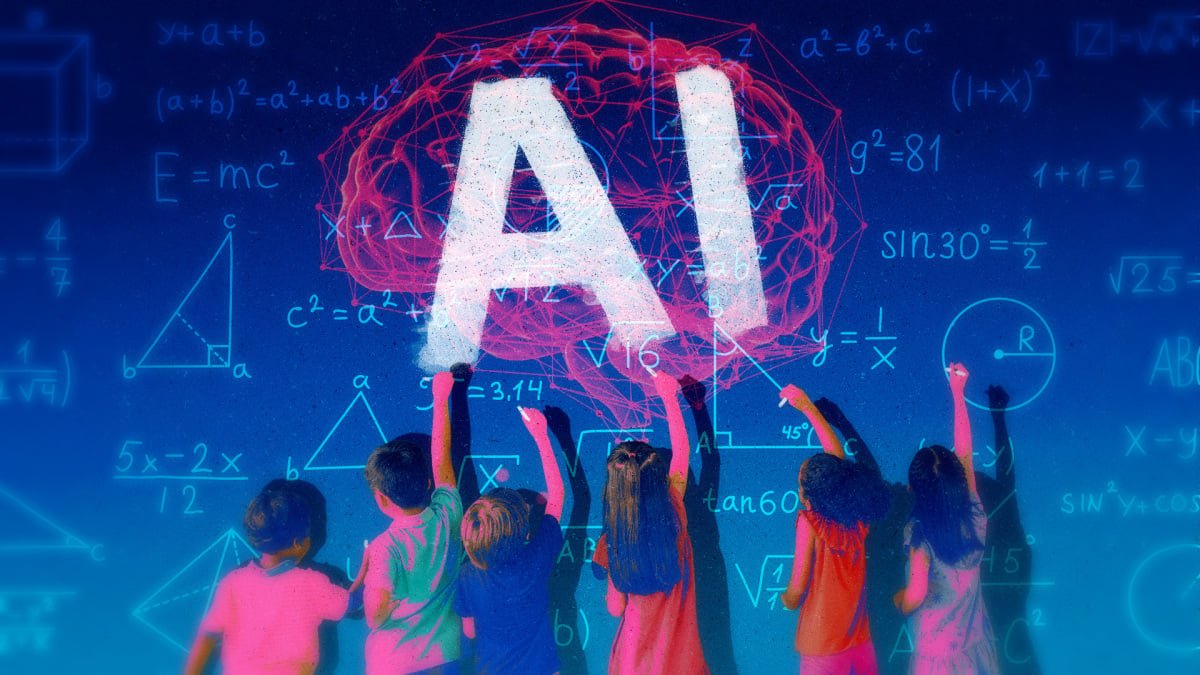
Nearly three in four K-12 teachers in the United States now believe artificial intelligence will have a bigger impact on education than the internet or computers ever did. That finding, from a June 2026 NPR/Ipsos poll, landed the same week Microsoft published its third annual AI in Education Report — and the timing felt like a drumbeat. Schools are adopting AI faster than anyone expected. The question hanging over all of it is whether students are actually coming out better educated.
What the data actually shows
Microsoft’s report, released June 24, draws on surveys across schools and universities worldwide. The headline finding is that AI adoption in education has moved well past early experimentation. Educators are not just testing tools on the side — they are integrating them into lesson delivery, assessment, and administrative work. But the report also flags a consistent gap: schools have picked up AI faster than they have built the capacity to use it responsibly. Teachers want more training, clearer guidance, and better frameworks before the next wave of tools arrives.
That demand is already reshaping credentials. Microsoft has partnered with ISTE and ASCD to launch an AI Literacy for Educators pathway — a formal credential that trains teachers to navigate AI in the classroom with confidence. It is a direct response to what the company keeps hearing from schools: enthusiasm without enough support.
The grade inflation problem nobody wants to talk about
Researchers at UC Berkeley published findings this month that deserve close attention. Since modern AI chatbots reached mainstream use, the share of students earning “A” grades has risen by 30 percent. The increase is concentrated in courses that rely on unsupervised take-home essays and coding assignments — exactly the formats where AI can do most of the heavy lifting. The researchers were careful not to call every high grade fraudulent, but their conclusion was pointed: students are completing more tasks, while building fewer underlying skills, because the tools remove the productive struggle that learning actually requires.
This is not a fringe concern. Teachers in the NPR poll said they worry that AI is making it harder for students to develop independent thinking. The same technology that can personalize a learning plan for a struggling student can also let a disengaged one coast through an entire semester without genuinely engaging once.
Universities are moving anyway
Institutions are not waiting for the debate to resolve. The State University of New York announced a formal systemwide AI policy this month covering all 64 campuses. Starting Fall 2026, AI literacy will be embedded in general education requirements for every incoming undergraduate — not as an elective, but as a core expectation. The University of Surrey in the UK went further, announcing that AI will be integrated into discipline-specific coursework across every degree offered, beginning in September 2026.
NYC parents pushed back hard on the other end of the spectrum. A coalition demanded that the New York City Department of Education pause all AI deployments in schools while the city finalizes its governance framework, arguing that rolling out tools before the DOE’s own June playbook is published puts students at risk. The tension between moving fast and building guardrails is playing out in real time, in school boards, faculty meetings, and parent groups simultaneously.
The literacy gap that matters most
What the Microsoft report, the Berkeley research, and the NYC pushback share is a single underlying concern: AI is spreading faster than our ability to teach people how to use it well. That includes students who need to understand when to trust AI output and when to question it, teachers who need frameworks for distinguishing assisted work from bypassed work, and administrators who need policies that protect learning rather than just manage liability.
None of this means the technology is the problem. Every major shift in how knowledge gets delivered — the printing press, public libraries, the internet — produced the same anxieties and the same adjustment period. The schools getting it right are the ones treating AI literacy not as a bolt-on subject but as the lens through which everything else is now taught. For more coverage of AI in education, visit Mylistingo.
The Netherlands, for internationals
One email a week: the week's news for internationals in the Netherlands, new practical guides and what changed in the cities. No spam, unsubscribe any time.