The Netherlands is embarking on a significant technological transformation of its armed forces, pivoting heavily toward drones and uncrewed systems as the government pushes to meet a new 5% of GDP defense spending target. The strategic shift, announced by the Ministry of Defence in late June 2026, represents one of the most substantial modernizations of Dutch military capabilities in decades.
Defense Minister Ruben Brekelmans outlined the new strategy during a parliamentary briefing, emphasizing that autonomous and semi-autonomous systems would form the backbone of the future Dutch armed forces. “The character of warfare is changing rapidly. We have seen in conflicts around the world that drones and uncrewed systems are no longer just accessories — they are central to modern combat operations,” Brekelmans stated.
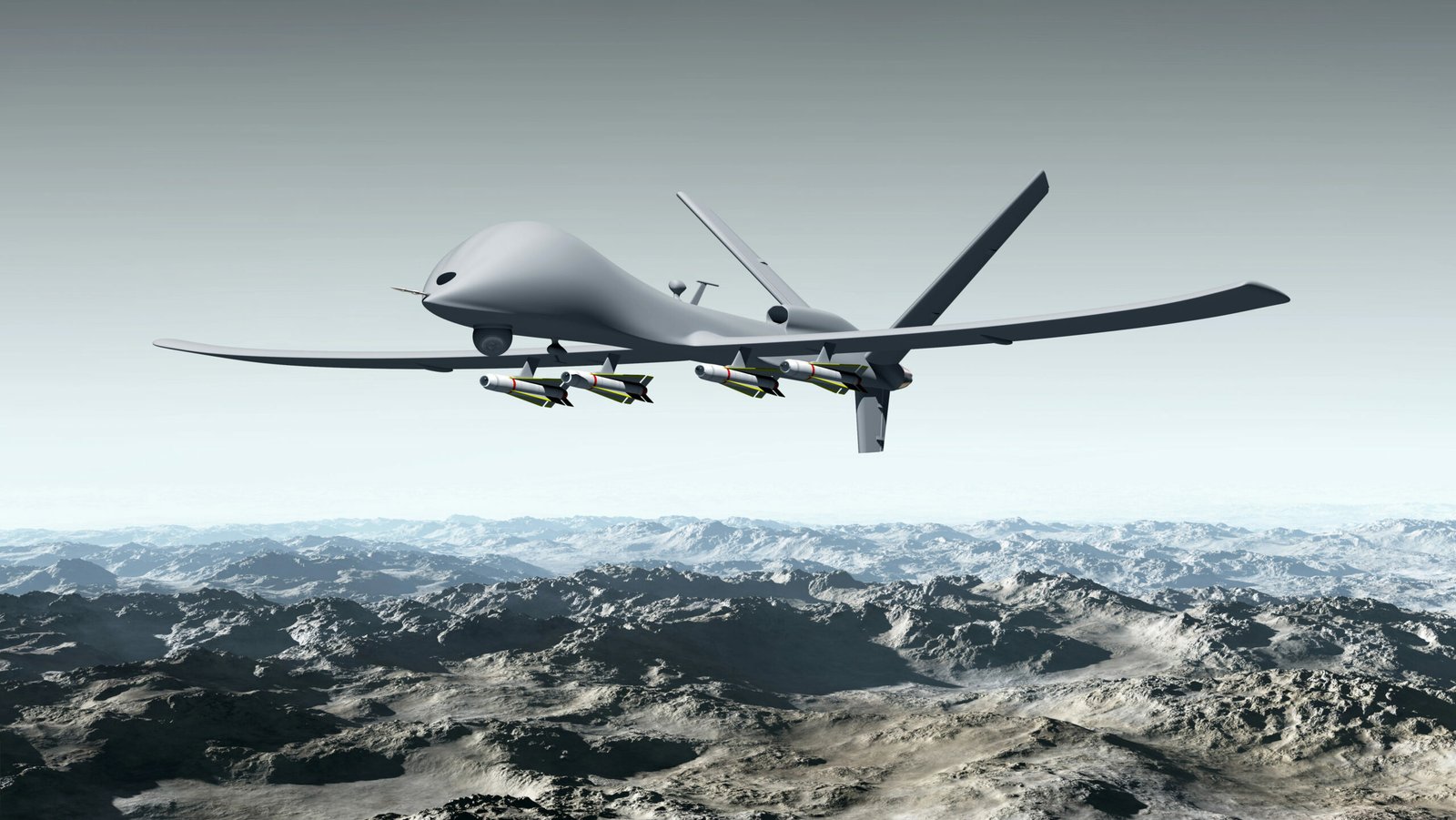
The investment package includes procurement of medium-altitude long-endurance (MALE) drones for intelligence, surveillance, and reconnaissance missions; loitering munitions for precision strike capabilities; unmanned surface vessels (USVs) for naval operations in the North Sea; and counter-drone systems to protect critical infrastructure and military installations across the Netherlands.
The 5% GDP target — significantly higher than NATO’s 2% benchmark — has drawn both praise and skepticism. Supporters argue it positions the Netherlands as a serious defense player in an increasingly unstable geopolitical environment, while critics question whether the country’s defense industry and recruitment pipeline can absorb such rapid spending increases effectively.
The drone pivot also aligns with broader European defense initiatives. Dutch defense technology firms, including those clustered around the Hague Security Delta and the Eindhoven Brainport region, are expected to benefit significantly from the increased procurement. Several Dutch startups specializing in autonomous systems have already attracted venture capital interest in anticipation of government contracts. The armed forces plan to establish a dedicated Drone Command by 2027, which will coordinate all uncrewed operations across land, air, and sea domains — making the Netherlands one of the first NATO members to create such a unified structure for drone warfare.
The Netherlands, for internationals
One email a week: the week's news for internationals in the Netherlands, new practical guides and what changed in the cities. No spam, unsubscribe any time.