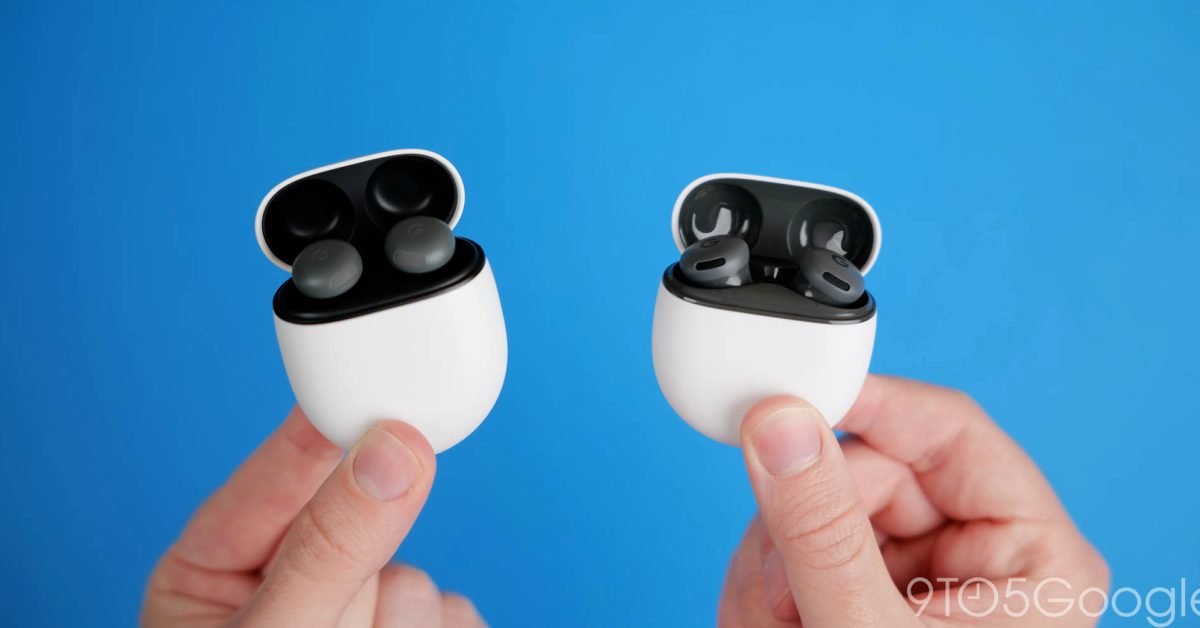
Google is bringing its Gemini voice assistant directly to the ears of Pixel Buds users. The company announced a new update that allows the latest Pixel Buds Pro and the more affordable Pixel Buds A-Series to interact with Gemini through a completely hands-free voice mode. This move signals a significant shift in how wearable audio devices can function as primary interfaces for powerful AI models.
Hands free voice access arrives on pixel buds
Previously, interacting with Gemini on a phone required unlocking the device and often tapping through a chat interface. The new update changes that. Users can now simply say a wake word or press and hold their earbuds to start a conversation with the AI. This integration means you can ask Gemini to draft a message, set a reminder, or even explain a complex topic without ever taking your phone out of your pocket. The feature is designed to work seamlessly with the existing Pixel Buds touch controls, making the transition from music playback to AI interaction feel natural.
The core promise here is convenience. For Pixel Buds owners, the device becomes a direct pipeline to Google’s most advanced AI. The system is built to understand natural language queries and provides spoken responses through the earbuds. Early demonstrations show the feature handling tasks like real time language translation and rapid fact checking, all of which rely on the cloud based processing power of the Gemini model.
How the rollout works and which devices get it
This feature is rolling out in English first and requires a compatible Pixel phone along with the updated Pixel Buds app. Any user with a Pixel Buds Pro or Pro 2, as well as the A-Series, can enable it through the settings menu. Google has also confirmed that the feature will be available to users who subscribe to the Gemini Advanced tier, though some basic functionality may come to free users over time. The company has not provided a specific timeline for broader language support or availability on non-Pixel Android phones.
This update is a clear indication of Google's strategy to embed AI into daily hardware with minimal friction. The company is betting that voice remains the most natural input method for on the go tasks. By bypassing the screen entirely, Google is testing a future where earbuds are not just for music and calls but serve as constant, intelligent companions that can process the world around you in real time.
Beyond simple Q and A, the voice mode is capable of maintaining context across multiple turns in a conversation. If you ask about a restaurant and then follow up with "What is their most popular dish?" the system remembers the subject. This contextual memory is a step up from earlier voice assistants, which often treated each query as a separate event. Google is leveraging the larger context window of Gemini to make these interactions feel more like a conversation with a knowledgeable person rather than a traditional command based system.
Privacy considerations and always listening
With any always listening device, privacy is a central concern. Google has stated that the voice data is processed on its servers but only after the wake word is detected. Users can also review and delete their voice recordings through their Google Account activity controls. The company is pitching the feature as secure and designed with user privacy in mind, though it remains to be seen how users will feel about having a microphone connected to a powerful AI model at all times during use.
The impact on battery life is another factor to consider. Using the AI voice mode will naturally draw more power than standard playback. Google estimates that users can expect a slight reduction in total listening time, though the exact numbers will depend heavily on usage patterns. The Pixel Buds Pro charging case does provide several extra charges, which should offset the increased drain for most daily users.
For anyone looking to understand how AI is reshaping consumer electronics, this update is a strong signal of what is to come. Wearable devices are evolving from passive accessories into active computing platforms. You can learn more about how AI is changing the way we interact with everyday devices by reading our analysis at Mylistingo. The race to make AI truly hands free and always available is just beginning, and Google is making its first major move directly inside the ear canal.
The Netherlands, for internationals
One email a week: the week's news for internationals in the Netherlands, new practical guides and what changed in the cities. No spam, unsubscribe any time.