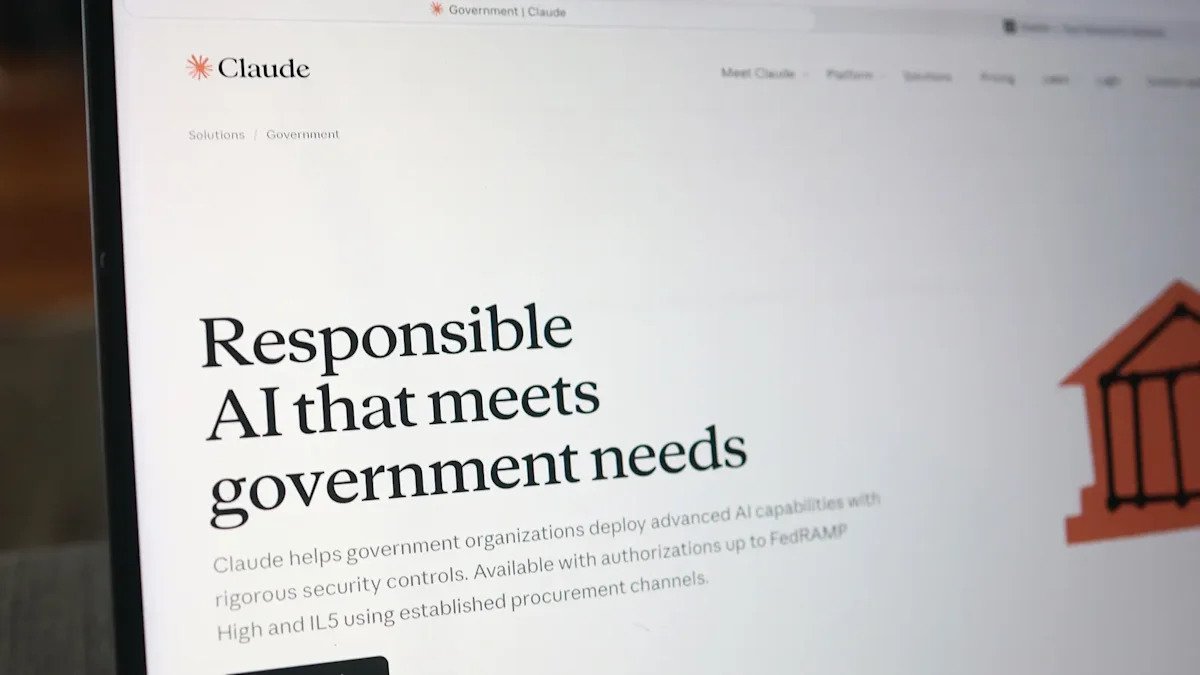
The cybersecurity community is up in arms over recent U.S. government restrictions that they say could leave America’s digital infrastructure more vulnerable to attacks. A coalition of dozens of seasoned cybersecurity professionals has penned a sharp letter to the White House, demanding the immediate reversal of export control restrictions on Anthropic’s cutting-edge AI models, Fable and Mythos.
The Heart of the Controversy
At the center of this heated debate lies a fundamental question: Are we making ourselves safer or more vulnerable by restricting access to advanced AI tools? The cybersecurity veterans argue emphatically for the latter, warning that these restrictions could handicap the very people tasked with defending our digital borders.
The government’s export controls, designed to prevent sensitive AI technology from falling into the wrong hands, have inadvertently caught Anthropic’s most sophisticated models in their net. Fable and Mythos represent the pinnacle of the company’s AI development, offering capabilities that cybersecurity professionals describe as game-changing for defensive operations.
Why Security Experts Are Sounding the Alarm
The cybersecurity community’s concerns aren’t just theoretical—they’re rooted in the harsh realities of modern cyber warfare. Today’s threat landscape is increasingly sophisticated, with adversaries leveraging AI-powered tools to launch more effective attacks. In this arms race, defenders argue they need access to the most advanced tools available.
The protesting experts highlight several critical issues with the current restrictions:
- Defensive capabilities are being unnecessarily hampered while attackers face no such limitations
- International cybersecurity collaboration could suffer as allied nations lose access to crucial tools
- The restrictions may push critical security research underground or overseas
- Small and medium-sized businesses could be left particularly vulnerable without access to enterprise-grade AI security tools
The Broader Implications for AI Security
This controversy reflects a larger tension in AI governance between security and accessibility. While government officials understandably want to prevent advanced AI capabilities from being misused, the cybersecurity community argues that overly broad restrictions are counterproductive.
The situation is particularly complex because AI models like Fable and Mythos can be dual-use technologies—capable of both enhancing cybersecurity defenses and potentially being weaponized by bad actors. However, the cybersecurity experts contend that the defensive applications far outweigh the risks, especially when proper safeguards are in place.
Industry observers note that this debate mirrors similar discussions happening across the tech sector, where companies are grappling with how to balance innovation with security concerns. Platforms focusing on AI development and digital security, such as those found at aicontentempire.nl, often face similar challenges in navigating regulatory requirements while maintaining effectiveness.
What’s at Stake
The stakes in this debate couldn’t be higher. Cybersecurity professionals warn that restricting access to advanced AI defensive tools could create a dangerous asymmetry. While legitimate security researchers and defenders face bureaucratic hurdles to access these technologies, malicious actors often operate without such constraints.
The timing of this controversy is particularly significant, coming as cyber threats continue to evolve and intensify. Recent years have seen increasingly sophisticated attacks on critical infrastructure, healthcare systems, and government networks. In this environment, cybersecurity professionals argue that anything that hampers defensive capabilities is inherently dangerous.
Industry Response and Next Steps
Anthropic has found itself in an awkward position, with its most advanced models caught in a regulatory crossfire. The company has been working to address government concerns while advocating for policies that allow beneficial uses of its technology.
The cybersecurity veterans’ letter represents just the latest salvo in what promises to be an ongoing battle over AI regulation. Their argument is straightforward: effective cybersecurity requires access to the best available tools, and artificial restrictions only benefit those with malicious intent.
As this debate continues, the cybersecurity community is watching closely to see how the White House responds. The outcome could set important precedents for how advanced AI technologies are regulated and who gets access to them in the name of national security.
The central question remains: In our effort to control AI technology, are we inadvertently weakening our own defenses? The cybersecurity experts behind this protest believe the answer is a resounding yes, and they’re demanding action before it’s too late.
Source: Original Article
The Netherlands, for internationals
One email a week: the week's news for internationals in the Netherlands, new practical guides and what changed in the cities. No spam, unsubscribe any time.