ASML Powers Ahead: How the Dutch Chip Giant Shapes the Global Semiconductor Landscape
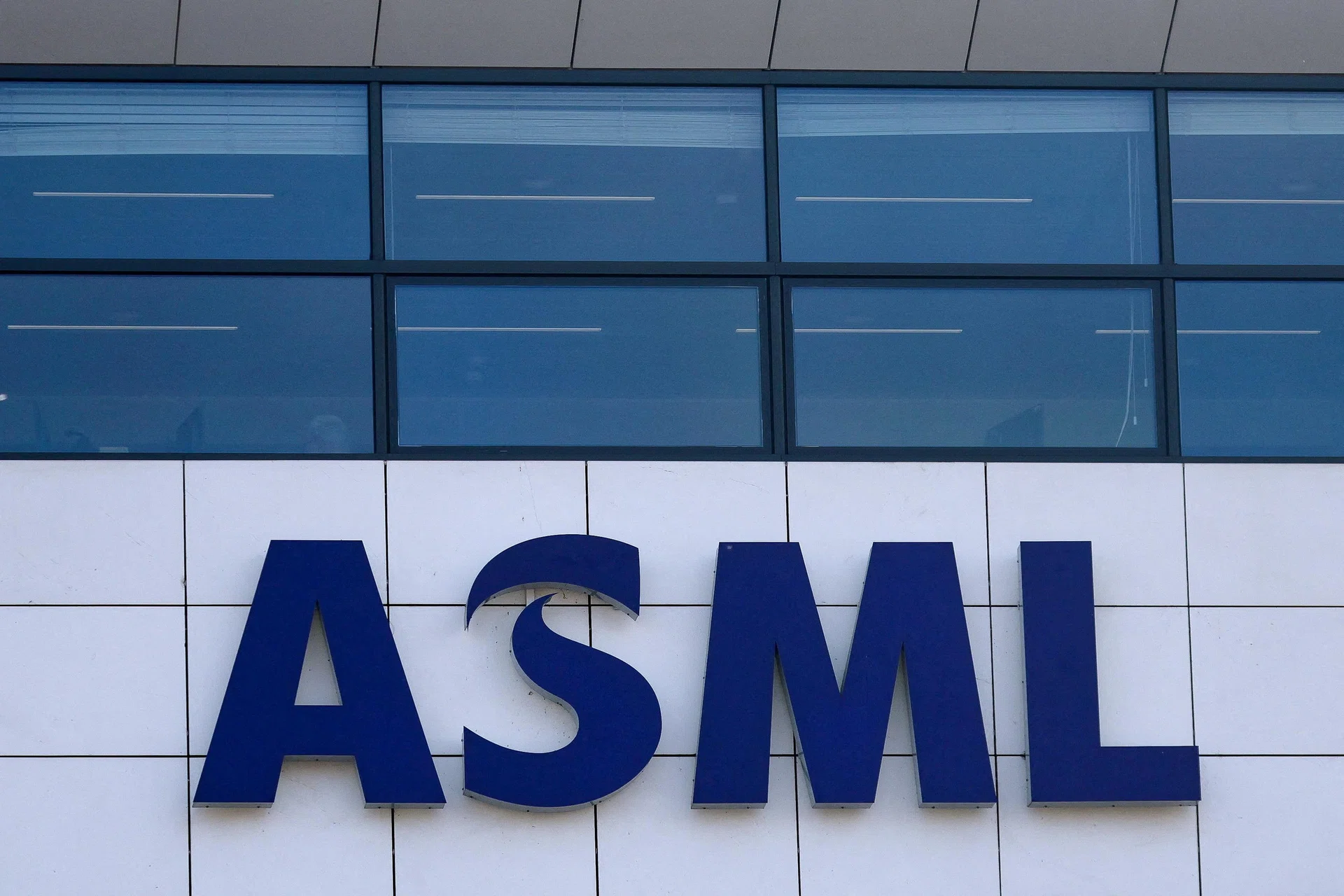
In the quiet suburb of Veldhoven, just outside Eindhoven, sits the most important company in the global semiconductor industry that most consumers have never heard of. ASML, the Dutch lithography giant, remains the sole supplier of extreme ultraviolet (EUV) lithography machines — the multi-million-euro tools that make advanced computer chips physically possible. And in 2026, the company’s grip on the industry is stronger than ever.
ASML’s latest high-NA EUV systems, priced at approximately €350 million per unit, are now shipping to TSMC, Intel, and Samsung. These next-generation machines can etch features as small as 8 nanometres — roughly the width of a few dozen atoms — enabling the production of chips with transistor densities that were science fiction a decade ago. Without these tools, the smartphones, data centres, and AI accelerators that power the modern world would simply not exist at their current performance levels.
The Geopolitics of Chip Manufacturing
ASML’s unique position has made it a central player in the geopolitical tug-of-war over semiconductor technology. Under pressure from the United States and the Dutch government, ASML has been restricted from selling its most advanced EUV equipment to Chinese chipmakers since 2019. In 2026, those export controls have tightened further, with additional restrictions on deep ultraviolet (DUV) systems and spare parts — a move that has drawn sharp criticism from Beijing but reinforced ASML’s alignment with Western technology policy.
“ASML is not just a company; it’s a strategic asset,” says industry analyst Pieter van den Berg. “The Netherlands hosts the single most critical link in the global chip supply chain. That gives The Hague a seat at tables that a country of 18 million people would normally never occupy.”
Economic Impact on the Netherlands
The ripple effects of ASML’s success are felt throughout the Dutch economy. The company employs over 40,000 people directly in the Netherlands and supports an estimated 120,000 indirect jobs across its supply chain. The Brainport Eindhoven region — the dense cluster of high-tech firms surrounding ASML — now contributes over €30 billion annually to Dutch GDP, rivalling the Port of Rotterdam in economic significance.
In 2026, ASML announced an additional €2 billion investment in expanding its Veldhoven campus, adding new cleanroom facilities and R&D laboratories. The expansion is expected to create 5,000 new high-skilled jobs, many of which will be filled by international talent recruited through the Netherlands’ highly competitive knowledge migrant programme.
Competition and the Future
Despite its dominance, ASML faces no near-term competition in EUV lithography. The technological moat — decades of R&D, a tightly integrated supply chain of over 5,000 specialised suppliers, and an intellectual property portfolio spanning more than 15,000 patents — makes catching up extraordinarily difficult. China’s attempts to develop domestic alternatives have yielded some progress in older DUV technology, but EUV remains out of reach for the foreseeable future.
The next frontier for ASML is hyper-NA EUV, an even more advanced generation of lithography tools expected to enter prototype phase by 2028. As artificial intelligence drives insatiable demand for more powerful chips, ASML’s role as the gatekeeper of semiconductor progress looks set to grow even more central in the years ahead.
The Netherlands, for internationals
One email a week: the week's news for internationals in the Netherlands, new practical guides and what changed in the cities. No spam, unsubscribe any time.