Netherlands Breaks Offshore Wind Record as 4.7 GW Hollandse Kust Zuid Reaches Full Capacity
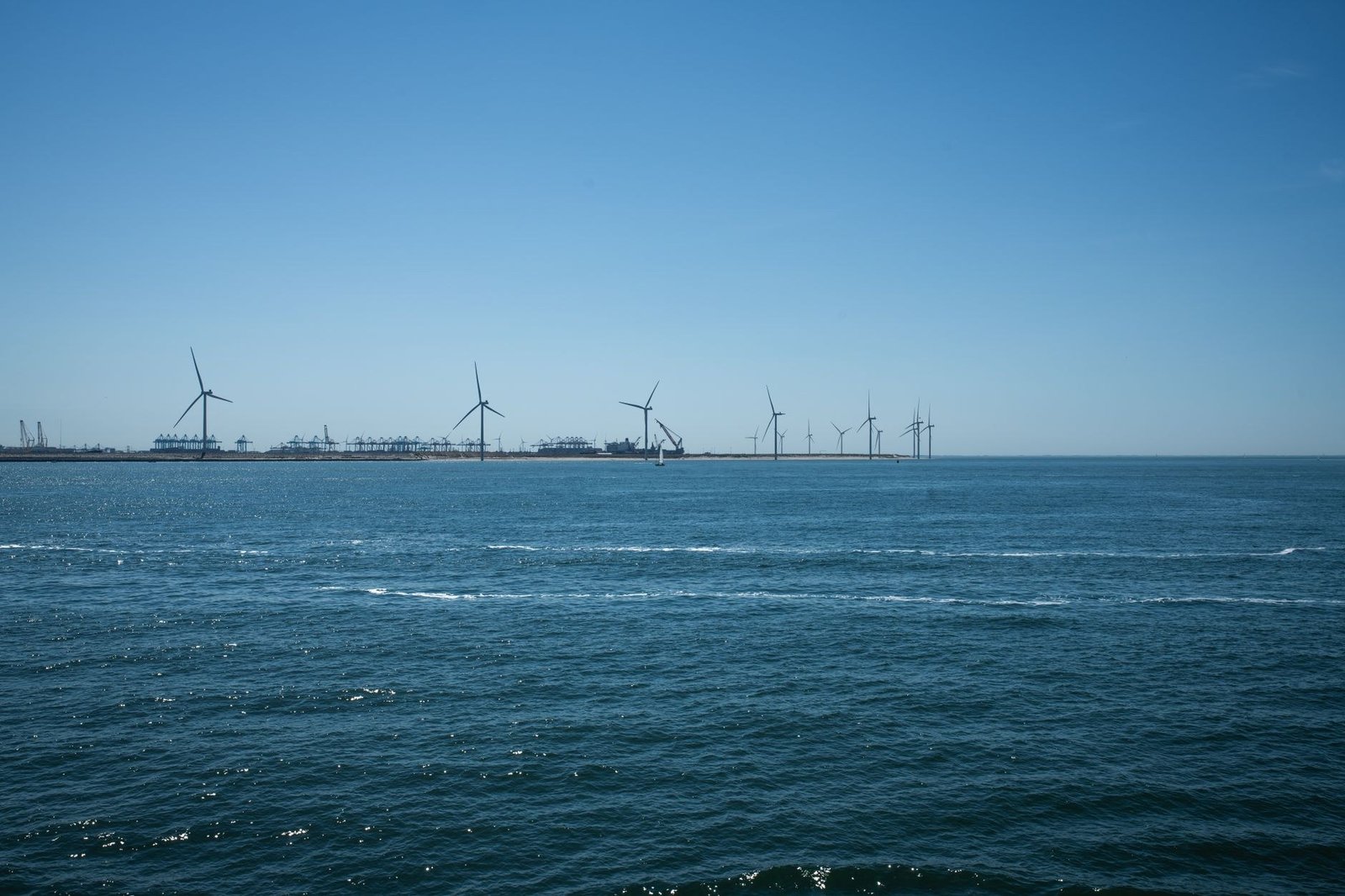
The Netherlands has reached a renewable energy milestone with the Hollandse Kust Zuid wind farm, located in the North Sea roughly 20 kilometers off the coast of The Hague, achieving its full 4.7 gigawatt generating capacity. The completion makes the Dutch North Sea zone the most productive offshore wind corridor in Europe by installed capacity per square kilometer.
The achievement caps a decade-long build-out that has transformed the Netherlands from a natural-gas-dependent economy into one of Europe’s leaders in offshore wind deployment. Hollandse Kust Zuid alone can power approximately 5.5 million Dutch households — more than the total number of homes in the Randstad metropolitan region that includes Amsterdam, Rotterdam, The Hague, and Utrecht.
The timing carries geopolitical significance. As Europe continues its decoupling from Russian energy imports following the 2022 invasion of Ukraine, offshore wind has emerged as the North Sea region’s primary energy-security asset. The Netherlands, Denmark, Germany, and Belgium signed the Esbjerg Declaration in 2023 targeting 150 GW of combined North Sea wind capacity by 2050. At mid-2026, the four countries have installed 38 GW — on pace but with significant acceleration still required.
“Hollandse Kust Zuid is proof that large-scale offshore wind in the North Sea is no longer experimental,” said Dutch Climate and Energy Minister Sophie Hermans. “The technology works, the supply chain exists, and the cost per megawatt-hour has fallen below €45 — competitive with any generation source.”
The cost trajectory is remarkable. The first Dutch offshore wind farm, Egmond aan Zee, was commissioned in 2006 at a cost of roughly €180 per megawatt-hour. Hollandse Kust Zuid generates electricity at a quarter of that price, driven by larger turbines (15 MW units from Vestas, rotor diameters exceeding 230 meters), efficient monopile foundation designs in the shallow southern North Sea, and a mature installation fleet that can erect a turbine in under 24 hours in favorable weather.
For residents of The Hague and the broader Zuid-Holland province, the project has delivered tangible benefits beyond cleaner electricity. The maintenance base at Scheveningen Harbor employs approximately 450 technicians and engineers, with roles ranging from blade inspection specialists using drones and AI-powered damage detection to subsea cable monitoring experts. A training partnership between wind farm operator Vattenfall and The Hague University of Applied Sciences has produced over 200 certified offshore wind technicians since 2024.
The remaining challenge is grid integration. Tennet, the Dutch transmission system operator, is investing €13 billion in North Sea grid infrastructure through 2030, including a 2 GW high-voltage direct current link from IJmuiden to the UK that will allow surplus Dutch wind power to flow to British consumers during high-wind periods — and British offshore wind to return the favor when North Sea conditions reverse.
The Hague, for internationals
One email a week: what changed for internationals in The Hague, the week's news from the Netherlands, and one guide worth reading. No spam, unsubscribe any time.