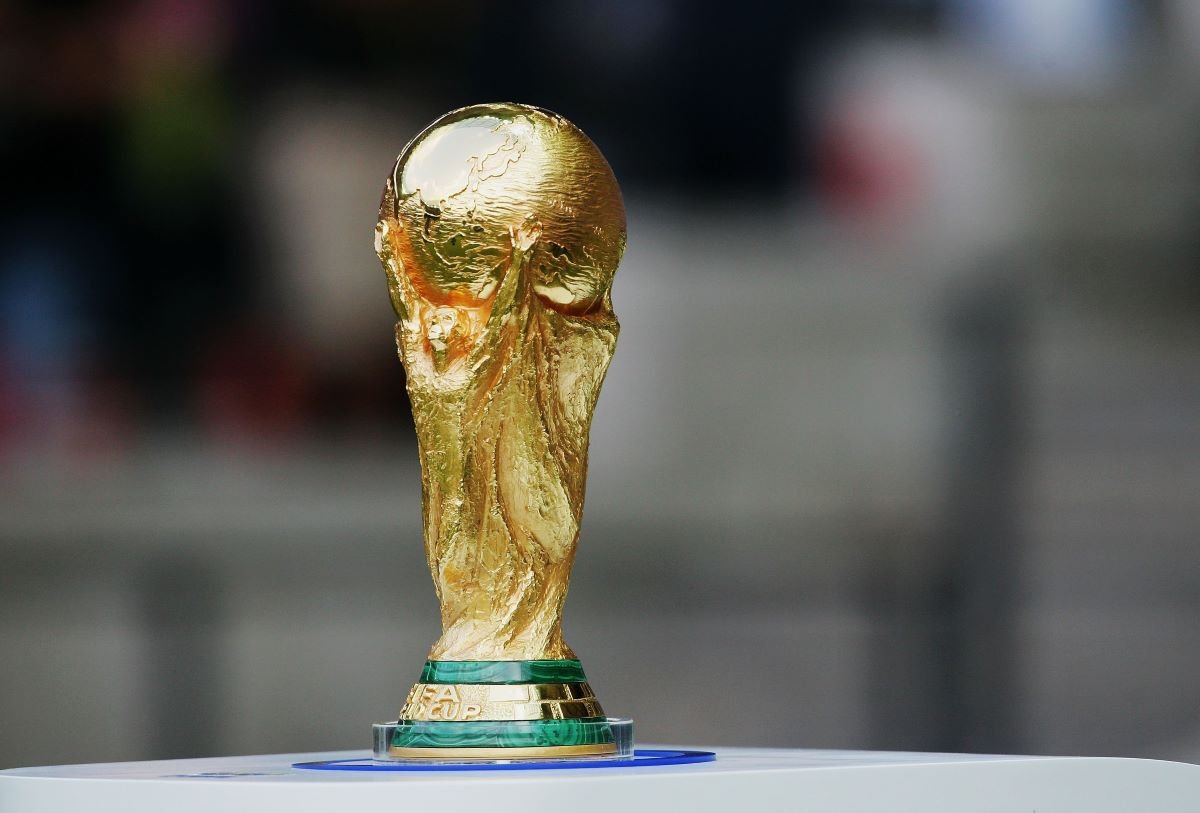
The road to the 2026 UEFA European Championship has been nothing short of spectacular, with qualifying matches delivering drama, upsets, and emerging football narratives that promise to make next summer’s tournament one of the most competitive in recent memory. As qualifying groups reach their decisive phases, several teams have already punched their tickets to the finals while traditional powerhouses face unexpected battles to secure their places.
Surprise Packages: The Teams Exceeding Expectations
The qualifying campaign has been defined by the emergence of several teams that few pundits predicted would be in contention for tournament qualification. Georgia, buoyed by their memorable run at Euro 2024, has continued their upward trajectory under their charismatic manager. Their fluid attacking style, built around the creative talents of their star playmaker and a solid defensive structure, has seen them pick up impressive results against more established footballing nations. The Caucasus nation’s footballing renaissance represents one of the sport’s most compelling development stories in Europe.
Slovenia has also emerged as a force to be reckoned with, combining tactical discipline with individual brilliance from their world-class striker. Their qualification campaign has been built on a pragmatic approach that maximizes their strengths while minimizing exposure against technically superior opponents. The team’s ability to grind out results in tight matches has been their hallmark, with several 1-0 victories secured through set-piece proficiency and defensive organization. North Macedonia, despite being drawn in a challenging group, has demonstrated that their qualification for Euro 2020 was no fluke, with a new generation of talented players emerging to complement their experienced core.
Traditional Powers Under Pressure
While the emerging nations have captured headlines, several of Europe’s traditional football powers have found the qualifying road more treacherous than expected. Italy, the reigning European champions from 2021, have experienced an inconsistent campaign marked by tactical experimentation and the integration of new talent. The Azzurri’s failure to secure automatic qualification from a group that appeared straightforward on paper has raised questions about the team’s direction under their current coaching staff. Their defensive solidity, once the hallmark of Italian football, has shown cracks against rapid counter-attacking sides.
Belgium’s golden generation is finally giving way to a new cycle, and the transition has been bumpier than anticipated. The Red Devils have struggled for consistency, dropping points against opponents they would have dispatched with ease during their prime years. The emergence of promising young talents provides cause for optimism, but the lack of big-game experience in the squad has been exposed in crucial qualifying fixtures. European football nations, after their semifinal appearance at the 2024 tournament, have encountered similar transition pains, with an aging defensive core and a midfield still searching for its identity causing inconsistency in qualifying.
Breakthrough Talents Lighting Up the Qualifiers
The qualifying campaign has served as a showcase for Europe’s next generation of football superstars. A 19-year-old attacking midfielder from Portugal has been the revelation of the qualifiers, contributing goals and assists at a rate that has drawn comparisons with some of the game’s all-time greats. His dribbling ability, vision, and composure beyond his years have made him a fixture in the national team setup and attracted attention from Europe’s elite clubs. Likewise, a teenage winger from Turkey has been tormenting defenders with his pace and direct running, single-handedly dragging his team through difficult qualifying matches.
In defense, a 20-year-old centre-back from Croatia has established himself as one of Europe’s most promising defensive prospects, combining old-school defensive instincts with modern ball-playing ability. His emergence has solved a long-standing depth issue for the Croatian national team and provides a foundation for the next cycle. These breakthrough performances during qualifiers demonstrate that European football’s talent pipeline remains robust, with new stars ready to announce themselves on the biggest stage.
Tactical Trends Defining the Qualifying Campaign
The tactical landscape of the Euro 2026 qualifiers has been shaped by several distinct trends. The widespread adoption of aggressive high pressing, popularized by the dominant club sides of recent years, has filtered through to the international level, with teams increasingly comfortable with high-risk defensive approaches. This has led to more open, transitional games with higher goal averages compared to previous qualifying cycles. The role of the inverted full-back has become almost universal, with teams using their wide defenders to create numerical advantages in central midfield areas during possession phases.
Set-piece specialization has reached new heights, with dedicated set-piece coaches now standard across national team setups. The tactical sophistication of dead-ball situations has increased dramatically, with teams deploying complex routines that would have been unthinkable a decade ago. Set pieces now account for a significantly higher proportion of goals in qualifying matches, reflecting the investment in this aspect of the game. Counter-pressing, the tactic of immediately attempting to win back possession after losing it, has become the default response to turnovers, with teams conditioned to swarm the ball in packs rather than retreat into defensive shape.
Looking Ahead: What the Qualifiers Tell Us About Euro 2026
As the qualifying phase enters its final rounds, several conclusions about next summer’s tournament are already emerging. The gap between Europe’s traditional elite and the chasing pack continues to narrow, making for a more competitive and unpredictable tournament. No team can be considered an overwhelming favorite, with at least eight to ten nations possessing realistic aspirations of lifting the trophy. The expanded tournament format, while ensuring greater representation, has also increased the likelihood of group-stage surprises as smaller nations gain experience against elite opposition.
The qualifying results suggest that Euro 2026 will be defined by tactical flexibility and squad depth rather than reliance on a single star player or system. Teams that can adapt their approach based on opposition and match state are likely to progress furthest. Set-piece efficiency, physical conditioning, and mental resilience will be decisive factors in the knockout rounds. For neutrals, the qualifiers have already delivered compelling evidence that next summer’s European Championship will be one of the most open and entertaining tournaments in the competition’s history.
The Netherlands, for internationals
One email a week: the week's news for internationals in the Netherlands, new practical guides and what changed in the cities. No spam, unsubscribe any time.