AI News
  • Home
  • AI & Tech
  • Machine Learning
  • Startups
  • Tools & Apps
  • Robotics
  • Future Tech
  • AI in Industry
    • AI in Sport ⚽
    • AI in Health
    • AI in Education
    • AI in Finance
    • AI in Business
    • AI in Law
    • AI in Climate
No Result
View All Result
SAVED POSTS
AI News
  • Home
  • AI & Tech
  • Machine Learning
  • Startups
  • Tools & Apps
  • Robotics
  • Future Tech
  • AI in Industry
    • AI in Sport ⚽
    • AI in Health
    • AI in Education
    • AI in Finance
    • AI in Business
    • AI in Law
    • AI in Climate
No Result
View All Result
AI News
No Result
View All Result

The Fight to Power AI Without Burning More Gas

Ramo by Ramo
12 July 2026
in AI in Climate
419 4
0
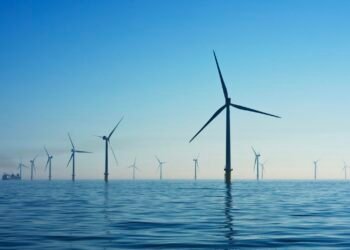
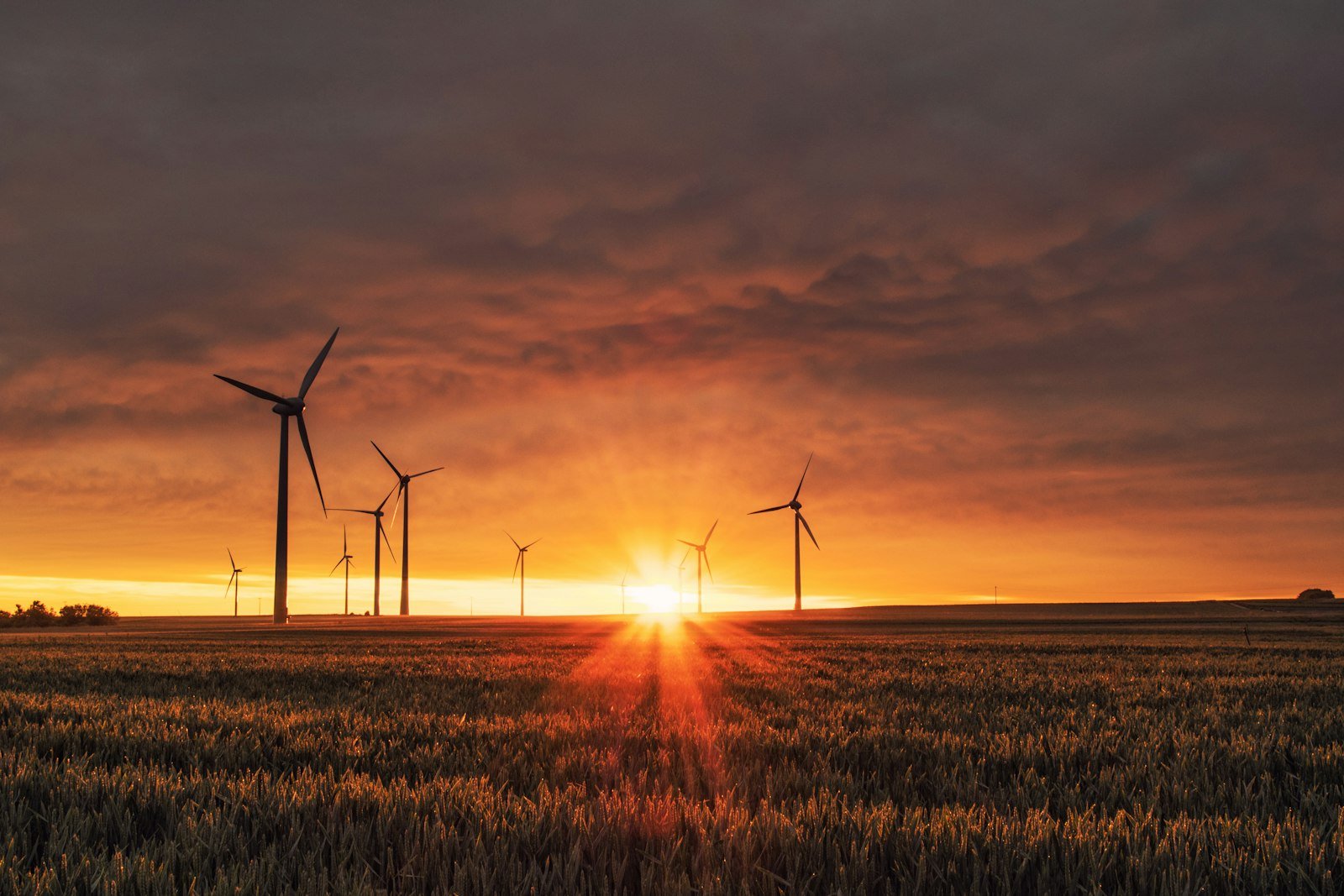
Wind turbines on a hillside at dusk
586
SHARES
3.3k
VIEWS
Summarize with ChatGPTShare to Facebook

Some data centers now consume more electricity than a mid-size city. Feeding them has set off the biggest construction boom of natural gas power plants in American history and is keeping aging coal plants running past their scheduled retirement dates. Now a coalition of state lawmakers, environmental groups and the tech industry’s own energy buyers is pushing back, trying to make sure the AI buildout runs on something cleaner.

The core problem, as the Associated Press reported this week, is speed. Tech companies want power at a pace and scale that wind and solar construction simply cannot match, so utilities reach for gas. Clean energy advocates are not trying to slow the data centers down. They are trying to change what gets built to feed them.

Statehouses draw their lines

New York may act next. On Governor Kathy Hochul’s desk sits a bill that would require data centers above a certain size to meet renewable energy benchmarks starting in 2030 and to source at least 90 percent of their power from renewables by 2040. Its author, state Senator Kristen Gonzalez, argues the targets are realistic: companies with billions of dollars to spend on data center construction, she told the AP, can afford to build the renewable generation to power them.

🌍
RECOMMENDED READ
Speed and Scale: An Action Plan for Solving Our Climate Crisis Now
John Doerr
A data-driven blueprint for the technologies including AI that can actually fix the climate.
View on Amazon →affiliate link

Michigan, Oregon and Minnesota moved first, passing laws over the last 18 months to shield their existing requirements that utilities go emissions-free by 2040. Minnesota and Oregon ordered regulators to keep data center power supplies in line with state emissions goals. Michigan took a different route, tying money to behavior: hyperscale data centers there must hit 90 percent clean energy within six years to qualify for the state’s generous sales tax exemption. Similar bills have surfaced in more than half a dozen states, including California, Illinois, New Jersey, Pennsylvania and Virginia.

Working the regulators instead

Where legislatures will not act, the fight has moved to utility commissions. Google’s arrangement with NV Energy in Nevada, approved by regulators last year, is widely viewed as the first of its kind: a large customer builds clean generation and connects it to the grid through its utility. Google says similar structures are now approved or under consideration in eight other states, including Indiana, Kansas, Missouri and South Carolina.

Colorado followed a different path to the same place. Regulators there ordered Xcel Energy, the state’s largest utility, to create a program letting big power users build clean energy projects that plug into the grid. In an April filing, Xcel pointed to two Google projects approved through comparable programs elsewhere: 115 megawatts of geothermal in Nevada and 1,900 megawatts of wind, solar and battery storage in Minnesota.

Corporate buyers are organizing too. The Corporate Energy Buyers Association, whose members include the biggest tech companies, negotiated an agreement with Georgia Power, approved by state regulators earlier this year, that lets members build clean energy sources and connect them to the grid. The group is now pursuing the same arrangement in North Carolina.

Why utilities are listening

The pitch to utilities is pragmatic rather than moral. They gain a large, long-term customer that pays to expand the grid, attached to a power source they do not have to bill ordinary households for. That matters at a moment when electricity bills are rising quickly in many parts of the country and utilities are absorbing the political blame. The alternative is worse for them: watching hyperscalers build standalone power plants and bypass the grid entirely.

Greg Robinson, whose North Carolina firm Aston Power procures energy for data centers, compared the moment to the rise of FedEx, a new service born because the existing one could not keep up with what business needed. Not everyone is convinced the math works. Bob Jenks, who leads the Oregon Citizens’ Utility Board, noted that the state’s emissions-free targets were already difficult before data centers arrived.

Google, for its part, is hedging every bet at once, putting billions into solar, wind, geothermal, nuclear and battery storage projects even as gas plants multiply around its data centers.

The Corporate Energy Buyers Association’s senior vice president of policy, Nidhi Thaker, told the AP she believes the procurement structures being negotiated right now will set energy policy for the next two to three decades. The nearest test is in Albany, where Hochul’s signature, or her veto, will signal how far states are willing to push. For more coverage of AI and climate, visit Mylistingo.

SummarizeShare234
Ramo

Ramo

Ramo is the editorial voice of Mylistingo — an AI and technology news platform based in The Hague, Netherlands. Covering artificial intelligence, machine learning, robotics, and the future of technology, Ramo delivers accurate, accessible reporting for both general audiences and industry professionals. Every article is fact-checked and written to meet Mylistingo's strict no-fabrication editorial standards.

Related Stories

Featured image for Netherlands renewable energy record showing wind turbines and solar panels

Netherlands Renewable Energy Output Hits Record High in 2026

by Ramo
12 July 2026
0

Wind and solar supplied 58% of Dutch electricity in H1 2026, putting the Netherlands on track for its 70% renewable target by 2030. Offshore wind, rooftop solar mandates,...

Large solar panel installation in Dutch countryside under bright sky representing Netherlands renewable energy

Netherlands Greenlights 773 MW of Solar Power in 2025 Subsidy Round

by Ramo
12 July 2026
0

The Dutch government has approved 86 solar energy projects with a combined capacity of 773 MW under the 2025 SDE++ subsidy round, spanning ground-mounted, rooftop, and floating installations.

North Sea wind turbines powering the Netherlands green energy transition in 2026

Netherlands Wind Energy Expansion: North Sea Turbines Power Dutch Green Transition

by Ramo
11 July 2026
0

Dutch offshore wind capacity surpasses 11 GW in 2026, with the IJmuiden Ver mega-project and green hydrogen integration positioning the Netherlands as a global renewable energy leader.

Featured image for artificial intelligence and technology article

Netherlands Surpasses 60 Percent Renewable Electricity in Historic First

by Ramo
10 July 2026
0

Wind and solar now generate over 60 percent of Dutch electricity, putting the country firmly on track for its 2030 climate goals and cementing a remarkable transformation from...

Recommended

ml feat fix 13912

Next-Generation Computing Breakthroughs 2026: Quantum, Neuromorphic, Photonic and Beyond

1 July 2026
Aerial view of Hakaniemi district in downtown Helsinki by sunset in summer

Dutch AI Startups Attract Record Investment in 2026

12 July 2026

Popular Story

  • ml_feat_56193023

    ASML’s Next-Gen High-NA EUV Machines Drive Eindhoven Expansion, Creating 20,000 New Jobs

    590 shares
    Share 236 Tweet 148
  • Best Cafes and Coffee Shops in The Hague 2026: A Digital Nomad’s Guide

    589 shares
    Share 236 Tweet 147
  • Inside The Hague’s AI-Powered International Criminal Court: How Machine Learning Is Accelerating Justice

    588 shares
    Share 235 Tweet 147
  • Is Your Home Truly Safe The Smart Security Tech You Need in 2025

    587 shares
    Share 235 Tweet 147
  • The brittleness problem why ai fails at the edge

    587 shares
    Share 235 Tweet 147
Advertise Here
Your Ad Could Be Here

This premium 300×250 spot is available. Reach our AI & tech audience with your product or service.

Book This Space →
logo ainews

We bring you the best Premium WordPress Themes that perfect for news, magazine, personal blog, etc. Check our landing page for details.

Recent Posts

  • Netherlands Mandates AI Transparency in Government Decision-Making from 2027
  • The Hague International Zone Welcomes New Cybersecurity Innovation Lab
  • Dutch AI Startup Develops Real-Time Flood Prediction Model for Coastal Cities

Categories

  • AI & Tech
  • AI in Business
  • AI in Climate
  • AI in Education
  • AI in Finance
  • AI in Health
  • AI in Law
  • AI in Sport
  • Economy & Finance
  • Future Tech
  • Machine Learning
  • Politics & Geopolitics
  • Robotics
  • Social Topics
  • Sport
  • Startups
  • The Hague
  • Tools & Apps
  • Uncategorized

Weekly Newsletter

  • Home
  • Advertise
  • Latest News
  • Contact Us
  • Data Deletion Instructions
  • Editorial Policy

Welcome Back!

Login to your account below

Forgotten Password?

Retrieve your password

Please enter your username or email address to reset your password.

Log In
No Result
View All Result
  • Home
  • AI & Tech
  • Machine Learning
  • Startups
  • Tools & Apps
  • Robotics
  • Future Tech
  • AI in Industry
    • AI in Sport ⚽
    • AI in Health
    • AI in Education
    • AI in Finance
    • AI in Business
    • AI in Law
    • AI in Climate