
The artificial intelligence race is accelerating, and two of the biggest names in technology are investing heavily in the hardware that will power the next wave of AI models. Google and Nvidia, already dominant in their respective lanes, are now competing and collaborating in ways that will define how AI is built and deployed for years to come.
Google doubles down on custom silicon
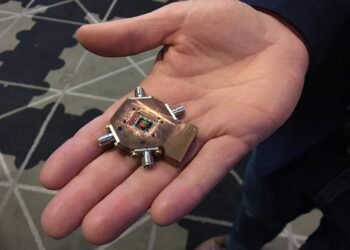
Google has long understood that off the shelf chips won’t cut it for the massive scale of its AI operations. The company’s latest move is a new iteration of its Tensor Processing Unit, or TPU, which is designed specifically to accelerate machine learning workloads. These chips are becoming increasingly central to Google’s cloud business, offering customers an alternative to Nvidia’s widely used GPUs.
The new TPU delivers significant performance improvements over its predecessor, particularly in training large language models. Google claims that the chip can reduce the time and energy required to train these models, making AI more accessible to businesses that may not have the resources to build massive data centers. This is a direct challenge to Nvidia’s dominance in the AI chip market, which has made the company one of the most valuable in the world.
Google is also integrating its TPUs more tightly with its software stack, including its TensorFlow framework and the new Gemini model family. The goal is to create a seamless experience for developers who want to train and deploy models without worrying about the underlying hardware. This kind of vertical integration is a strategy that has worked well for Apple, and Google is clearly hoping to replicate that success in the AI space.
Nvidia fights back with next generation architecture
Nvidia is not resting on its laurels. The company recently announced its Blackwell architecture, which promises to be a massive leap forward in AI computing performance. Blackwell is designed to handle the most demanding AI workloads, including training models with trillions of parameters. That kind of scale is becoming necessary as companies like OpenAI, Google, and Meta push the boundaries of what AI can do.
The Blackwell architecture uses a new approach to connecting multiple GPUs, allowing them to work together as if they were a single, much larger chip. This is critical for training the largest models, which require enormous amounts of memory and compute power. Nvidia is also emphasizing energy efficiency, a growing concern as data centers consume more and more electricity to power AI workloads.
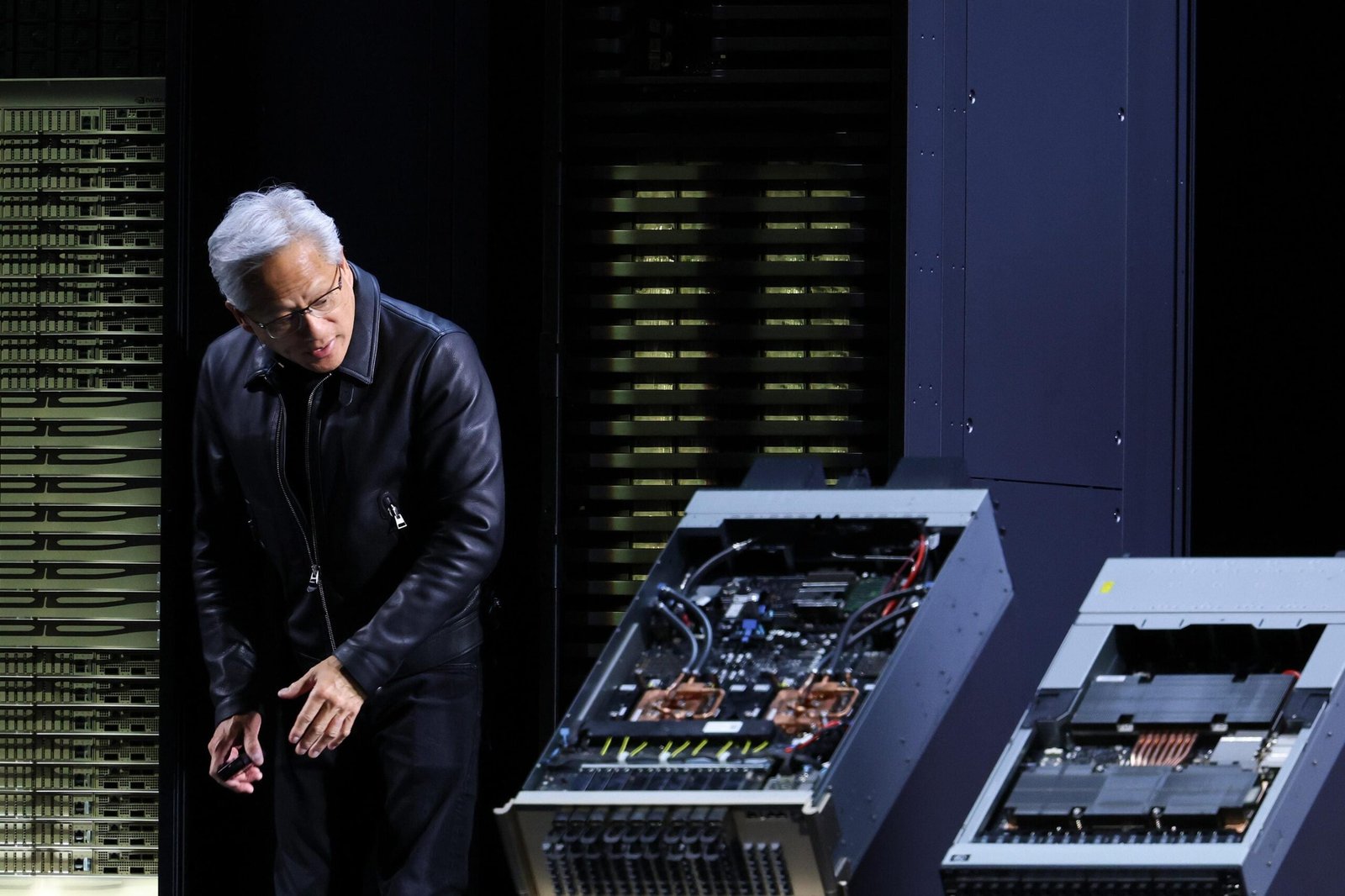
Nvidia’s CEO Jensen Huang has been vocal about the company’s vision for AI factories, where massive clusters of GPUs operate around the clock to generate intelligence. This concept is already becoming a reality, with companies like Microsoft and Oracle building out huge Nvidia based infrastructure for their own AI projects. The Blackwell architecture is the engine that will power those factories, and Nvidia is betting that its ecosystem and software libraries, particularly CUDA, will keep developers locked into its platform.
The rivalry between Google and Nvidia is not just about chips. It is about control over the entire AI stack, from the silicon to the software to the services that run on top. Google wants to make it easy for businesses to use AI without relying on Nvidia, while Nvidia wants to make its hardware indispensable for anyone doing serious AI work. Both companies have strong positions, and the outcome of this competition will shape the industry for the next decade.
For now, Nvidia still holds the lead in terms of raw performance and market share, but Google’s TPUs are closing the gap, especially in cloud environments. The real winners may be the developers and businesses that have more choices and better performance as a result of this competition. As AI models become more powerful and more pervasive, the hardware race will only intensify. Companies that fail to invest in their own infrastructure risk being left behind in a world where AI is becoming the primary driver of innovation.
The next few years will be critical. Both Google and Nvidia are investing billions of dollars in new chips, data centers, and research. The companies that can combine powerful hardware with the best software will have a significant advantage. For anyone building AI applications today, keeping an eye on this hardware race is essential. The choices you make now about which platform to use could have long term consequences for the performance and cost of your AI systems. Whether you are a startup or a large enterprise, understanding the underlying technology is key to making smart decisions. Learn more about how AI computing trends are shaping the industry and what they mean for your next project.
The Netherlands, for internationals
One email a week: the week's news for internationals in the Netherlands, new practical guides and what changed in the cities. No spam, unsubscribe any time.