Eileen Castle’s swimming pool was once the only one for blocks in her corner of Lowell, Massachusetts, a refuge for neighborhood kids on hot days. This summer, with temperatures soaring, the 82-year-old is leaving it empty. The data center behind her house hums with industrial air conditioners, and its backup diesel generators belch fumes at unpredictable hours. She told the Associated Press she worries about the air, the water and the children on her street.
Scenes like this one explain why the hottest weeks of 2026 have become the most uncomfortable ones for the AI industry. Extreme heat drives up electricity demand for data centers at precisely the moment the grid has the least to spare, and the communities that host the facilities are noticing.
The worst weather for a server farm
Cooling systems account for roughly 40 percent of a data center’s electricity use in normal weather, and the share climbs as temperatures rise. Shaolei Ren, a professor at the University of California, Riverside who studies AI’s environmental toll, calls a heat wave “almost the worst situation for data center operation.” Operators have two ways to keep servers alive: refrigeration-based cooling, which devours electricity, or evaporative cooling, which devours water. When the grid gets tight, some facilities fire up diesel generators as a last line of defense, and diesel exhaust harms human health even in short exposures. Grid operators themselves sometimes ask data centers to switch the generators on when supply runs thin.
In Lowell, the operator says it has planted more than 2,000 trees and runs its generators only during genuine outages and brief weekly tests. The city council was not reassured. It voted 10 to 0 in February to freeze data center expansion for a year, and a community forum on zoning grew so tense this month that police removed a 14-year-old girl who shouted that her neighbors simply do not want the facilities.
The grid is feeling it too
PJM Interconnection, the largest grid operator in the United States, asked the Department of Energy this month for authority to order data centers onto their backup generators within 15 minutes of an emergency signal, as a heat dome parked itself over the Eastern Seaboard. PJM, which runs the grid across 13 states and Washington, DC, projects that summer peak demand will grow by an average of 3.6 percent a year over the next decade, driven by data center expansion, and could pass 240,000 megawatts within 15 years. Its current generating capacity is roughly 182,000 megawatts. The operator has warned that shortages could begin appearing as early as the 2026 to 2027 delivery year.
The North American Electric Reliability Corporation has issued an alert about the unprecedented challenge posed by a surge of very large power consumers. The climate analytics firm First Street calculates that 54 percent of global data center capacity sits in regions exposed to persistent heat or drought stress. The infrastructure, in other words, is concentrated exactly where the weather is becoming least forgiving.
Climate ledgers in the red
The buildout is showing up in corporate emissions reports. Amazon disclosed that its greenhouse gas emissions rose 16 percent in 2025 to about 81 million metric tons of carbon dioxide equivalent, roughly the output of 19 million gasoline cars. Google’s own ambition-based emissions climbed 18 percent. Axios reported last week that Microsoft’s AI expansion is colliding with the company’s long-standing climate commitments as its emissions leap.
Not everyone reads the numbers as a crisis. Jonathan Koomey, a researcher who has studied data center energy use for three decades, argues the strain is intensely local rather than national. “This is not a national crisis,” he told the AP, while acknowledging that the communities next door to the facilities absorb real environmental and economic costs.
That local burden is where the politics are moving fastest. New York lawmakers have sent Governor Kathy Hochul a one-year moratorium on permits for the largest data centers. Michigan, Oregon and Minnesota have passed laws to keep data center growth from derailing their clean energy mandates, and similar bills have appeared in more than half a dozen other states.
The summer is young, and the forecast for the AI industry is more heat in every sense. Watch what the Department of Energy does with PJM’s request. If regulators start ordering data centers off the grid during emergencies, the industry’s next buildout phase will look very different from its last. For more coverage of AI and climate, visit Mylistingo.
Data Center Cooling Crisis Intensifies
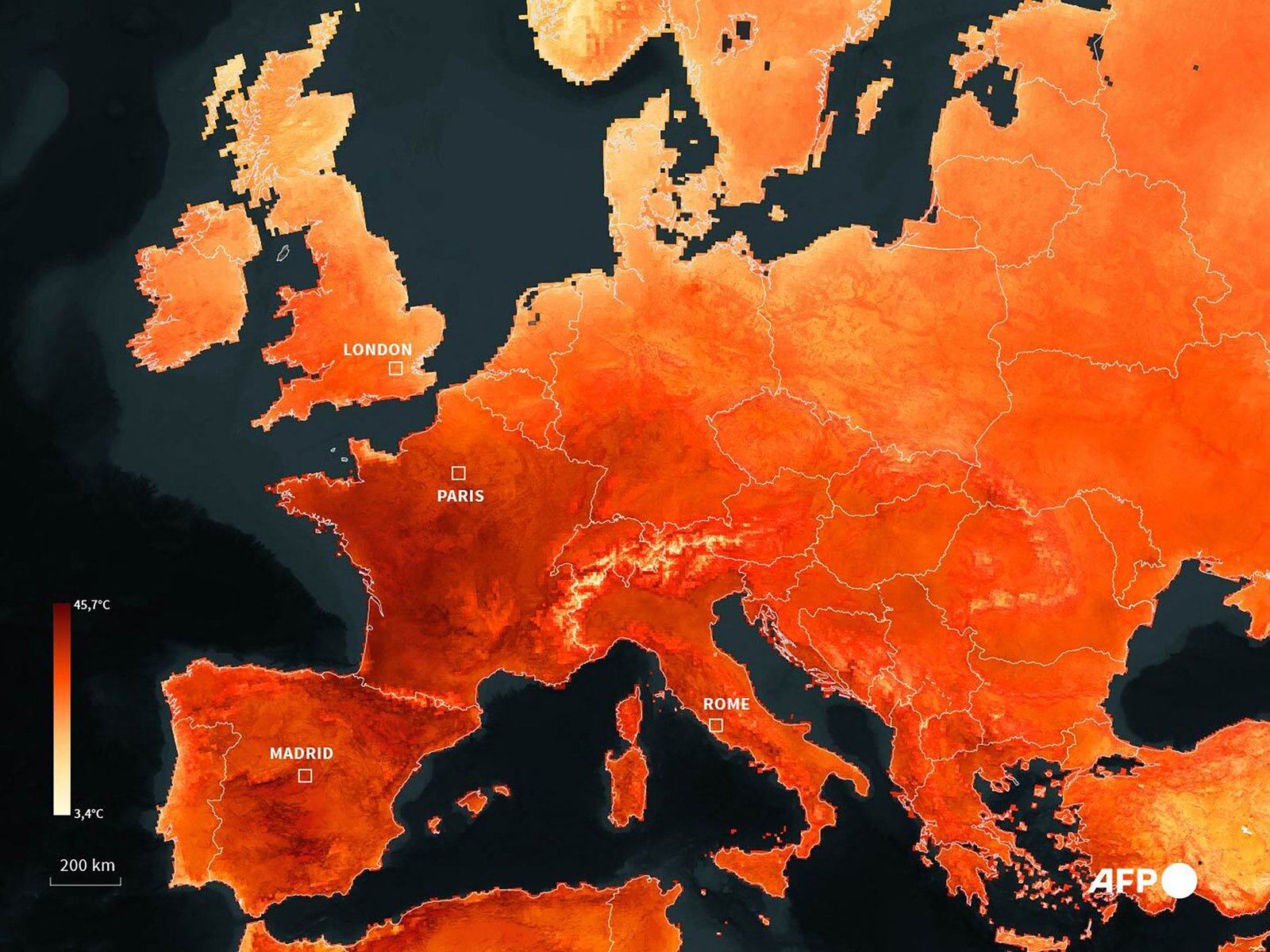
The heat waves sweeping across Europe, North America, and Asia in 2026 have exposed a critical vulnerability in the global cloud computing infrastructure. Data centers, which generate enormous amounts of heat from thousands of densely packed servers, rely on sophisticated cooling systems to maintain operating temperatures. When ambient temperatures soar, these cooling systems must work harder, consuming more energy and sometimes failing entirely. Google, Microsoft, and Amazon have all reported cooling-related service disruptions during the summer months, with some data centers forced to throttle compute capacity or temporarily shut down non-critical workloads to prevent hardware damage.
The Water Consumption Problem
Beyond energy consumption, data center cooling has a significant water footprint. Many data centers use evaporative cooling systems that consume millions of gallons of water annually, placing strain on local water resources in drought-prone regions. In 2026, data centers in California, Spain, and South Africa have faced water usage restrictions during heat waves, forcing operators to make difficult trade-offs between compute capacity and water conservation. The average large data center consumes 3-5 million gallons of water per day for cooling, equivalent to the water consumption of a small city. Innovative cooling technologies, including liquid immersion cooling and two-phase refrigeration systems, are being deployed to reduce water consumption, but retrofitting existing facilities remains expensive and technically challenging.
Sustainable Solutions and The Future
The AI industry’s growing energy demands have intensified the search for sustainable data center solutions. Hyperscalers including Google, Microsoft, and Amazon have committed to 24/7 carbon-free energy by 2030, but these goals are increasingly difficult to achieve as AI workloads expand. Advanced cooling technologies, including underwater data centers, space-based computing, and waste heat recovery systems that capture and repurpose the heat generated by servers, are being explored as potential solutions. The data center industry is also exploring the use of liquid cooling at the chip level, which removes heat more efficiently than traditional air cooling. These technologies, while promising, require significant capital investment and time to deploy at scale.
Related: Electric Vehicle Market in 2026: Tariffs, Subsidies and Battery Innovation Reshaping the Industry
The Netherlands, for internationals
One email a week: the week's news for internationals in the Netherlands, new practical guides and what changed in the cities. No spam, unsubscribe any time.