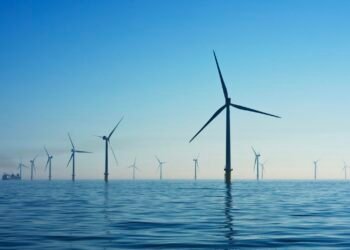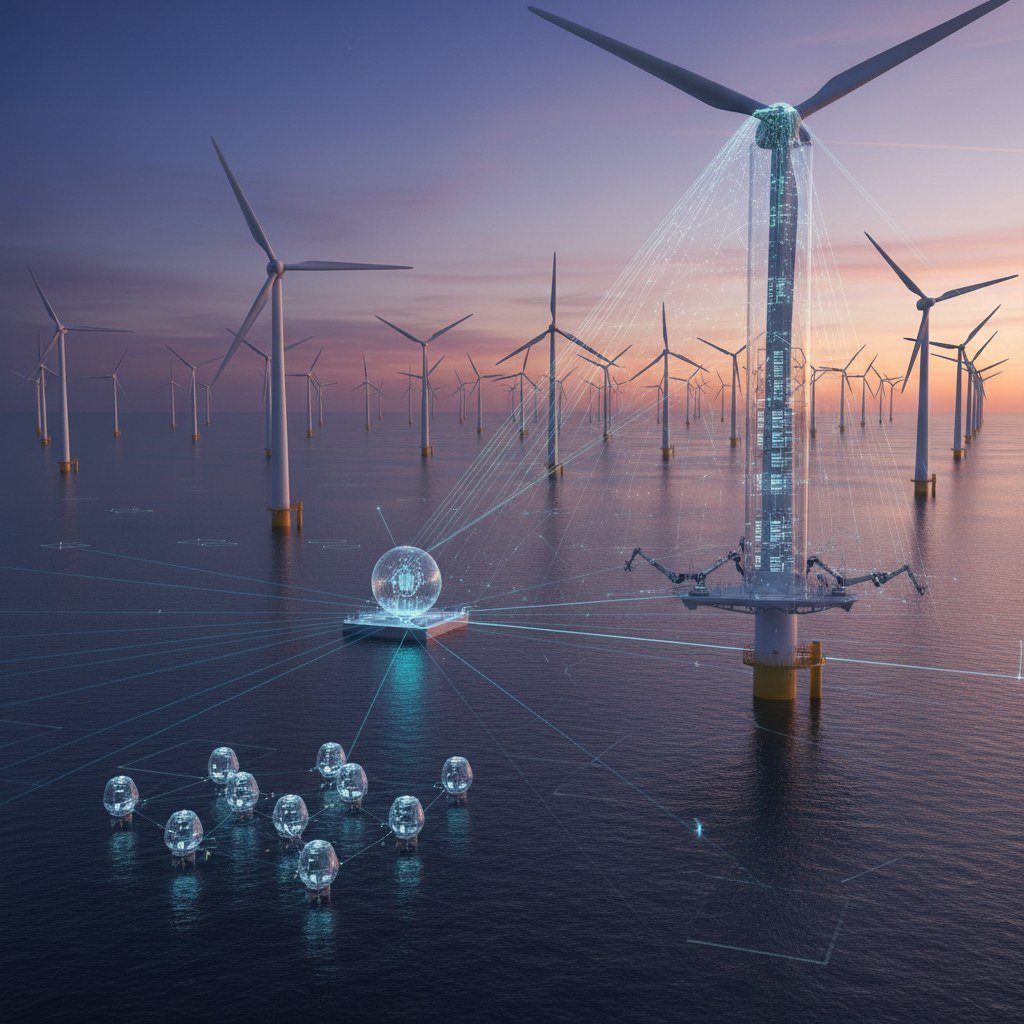
The Netherlands’ offshore wind farms achieved a historic milestone in June 2026, generating over 18 terawatt-hours of electricity in a single month for the first time — enough to power 6 million Dutch households. Behind this record lies a sophisticated artificial intelligence optimization system that is transforming how renewable energy is managed and distributed.
AI-Driven Turbine Optimization
Dutch energy company Eneco, in partnership with Siemens Gamesa, has deployed machine learning algorithms across its 752 MW Borssele offshore wind farm that can predict wind patterns up to 36 hours in advance with 92% accuracy. Each turbine now adjusts its blade pitch and yaw angle in real time based on these predictions, reducing mechanical stress while increasing energy capture by an average of 4.7%.
“The AI doesn’t just react to the wind — it anticipates it,” explained Dr. Jasper van Dijk, Eneco’s head of renewable analytics. “Over a year, a 4.7% improvement across all Dutch offshore wind represents enough additional clean energy to power the city of Utrecht.”
Grid Balancing at Scale
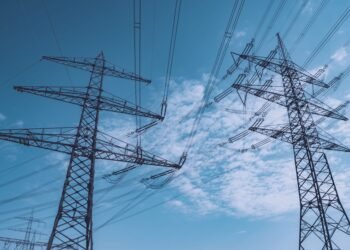
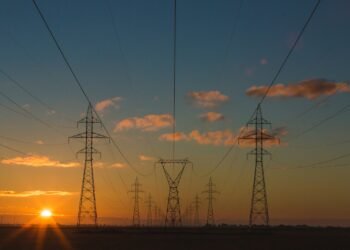
TenneT, the Dutch-German transmission system operator, has implemented an AI-powered grid balancing system that coordinates output across 11 offshore wind farms in the Dutch North Sea. The system can respond to demand fluctuations in under 200 milliseconds, preventing the kind of grid instability that has plagued other European countries during high-wind periods.
In April 2026, during a storm that produced wind speeds exceeding 110 km/h, the AI system successfully managed a controlled ramp-down of offshore turbines, avoiding what would have been a €40 million grid emergency under manual operation.
Maintenance Predictions Save Millions
Shell and Ørsted are using acoustic monitoring sensors combined with deep learning to detect early signs of bearing wear and blade degradation in offshore turbines. The predictive maintenance system has reduced unplanned downtime by 35% and extended turbine service intervals from 6 to 12 months. Each avoided unscheduled maintenance visit to an offshore turbine saves approximately €150,000 in vessel and crew costs.
Dutch Leadership in Green AI
The Netherlands now generates over 40% of its electricity from renewable sources, with offshore wind accounting for more than half of that. The Dutch government’s “AI for Energy Transition” program, launched in partnership with TU Delft and TNO, has funded 28 research projects since 2025, ranging from autonomous inspection drones to AI-designed turbine foundations.
As Europe races to meet its 2030 renewable energy targets, the Dutch model of AI-optimized offshore wind is attracting attention from governments worldwide. Delegations from Japan, South Korea, and the United Kingdom have all visited Dutch wind farms in 2026 to study the integrated AI systems firsthand.
The Netherlands, for internationals
One email a week: the week's news for internationals in the Netherlands, new practical guides and what changed in the cities. No spam, unsubscribe any time.