The Netherlands has shattered its previous renewable energy records in 2026, with wind and solar power together supplying 58% of the country’s electricity during the first half of the year. The milestone puts the Dutch energy transition firmly on track to meet the government’s target of 70% renewable electricity by 2030.
North Sea Wind Dominance
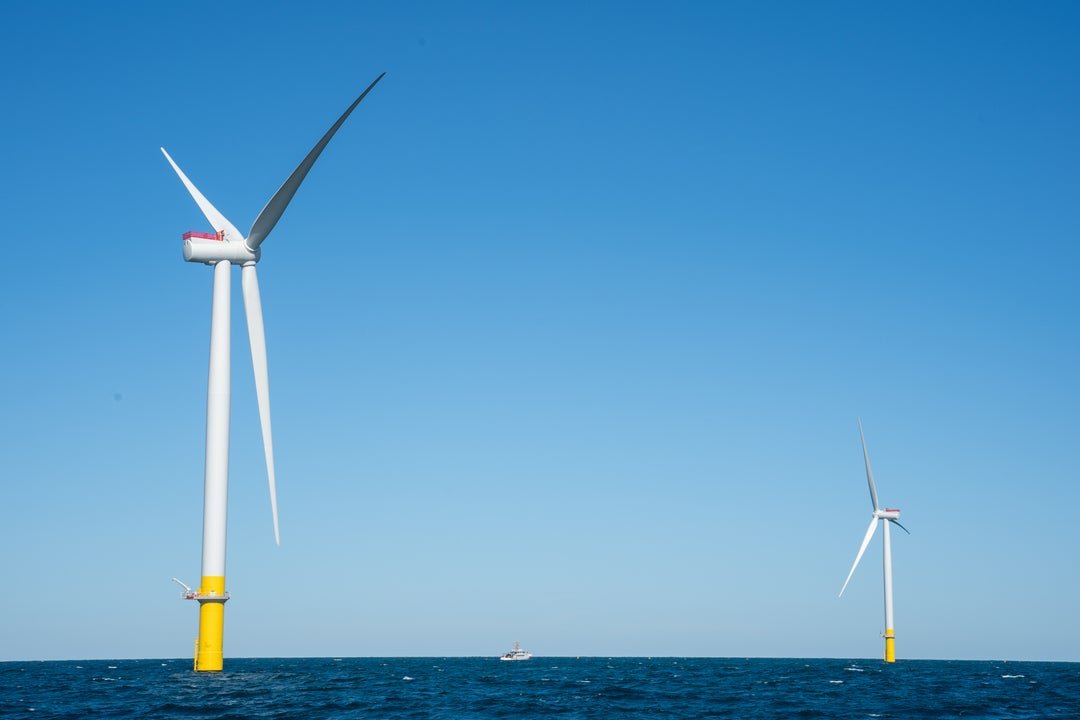
Offshore wind remains the heavyweight of Dutch renewable generation. The Hollandse Kust wind farm zone, now fully operational with 3.5 GW of installed capacity, produces enough electricity to power 4.2 million homes. The newer IJmuiden Ver zone, currently under construction, will add another 4 GW by 2028, making the Netherlands the third-largest offshore wind producer in the world behind only China and the United Kingdom. The CrossWind consortium, a joint venture between Shell and Eneco, has pioneered floating offshore wind technology in deeper waters, opening up vast new areas of the North Sea for development that were previously considered uneconomical.
Onshore wind has also seen significant growth, particularly in Flevoland and Groningen provinces, where community-owned wind cooperatives now operate 18% of all turbines. The “Winddeel” model — where residents buy shares in local wind projects and receive discounted electricity — has proven remarkably popular, with over 120,000 Dutch households now participating. These cooperatives generated €340 million in returns to members in 2025 alone, creating a powerful economic incentive that accelerates grassroots adoption.
Solar Surge
The Netherlands continues to lead Europe in solar panel density, with an astonishing 1,200 watts of installed solar capacity per capita — more than double Germany’s figure. The country’s 19 million solar panels generated 24 terawatt-hours in the first six months of 2026 alone, a 14% increase over the same period last year. This makes the Netherlands, despite its northern latitude and famously cloudy weather, a global solar powerhouse by sheer ingenuity and policy determination.
Innovative deployment strategies have driven this growth. Solar panels now cover 43% of suitable large commercial rooftops, and a national mandate requiring solar on all new commercial buildings over 250 square metres took effect in January 2026. Floating solar farms on inland waterways and reservoirs — an approach pioneered by Dutch engineers — now contribute 2.1 GW of capacity. The largest of these, the Bomhofsplas floating solar park near Zwolle, generates enough electricity to power 7,000 households and doubles as an ecological experiment, with researchers studying how aquatic ecosystems respond to partial water surface coverage.
Grid Challenges and Solutions
The rapid expansion has not been without challenges. Grid congestion in provinces like North Brabant and Limburg has become the single biggest bottleneck, with new solar and wind projects facing connection wait times of up to 18 months in some areas. Network operator TenneT is investing €13 billion through 2030 in grid expansion, including the construction of a high-voltage “energy highway” connecting North Sea wind to southern industrial demand centres. The government has also introduced “congestion management” protocols that allow distribution system operators to dynamically curtail renewable generation when the grid is overloaded, paying producers compensation to reduce output during peak periods.
Battery storage is scaling rapidly to address intermittency. The Netherlands added 2.8 GWh of utility-scale battery storage in 2025-2026, and the government’s new storage subsidy programme aims to triple that by 2028. The Giga Storage project in Delfzijl, Europe’s largest battery park at 600 MWh, began operations in March 2026 and provides essential grid stabilisation services, absorbing excess solar generation during midday hours and discharging during evening peak demand.
Hydrogen Horizon
Looking beyond electricity, the Netherlands is betting heavily on green hydrogen. The H2Gateway project at the Port of Rotterdam — Europe’s largest green hydrogen production facility — produced its first certified green hydrogen in May 2026, using offshore wind electricity to power 200 MW of electrolysers. With Rotterdam already handling 13% of Europe’s total energy imports, the port’s transformation into a hydrogen hub could reshape the continent’s energy landscape. The project aims to reach 1 GW of electrolysis capacity by 2030, supplying hydrogen-intensive industries in the Rotterdam industrial cluster, including the Shell Pernis refinery and the Dow Chemical complex.
The Netherlands has also signed bilateral hydrogen supply agreements with Chile, Portugal, and Morocco, positioning itself as Europe’s primary hydrogen import hub for the coming decade. These agreements leverage the Netherlands’ existing gas infrastructure — pipelines, storage caverns, and the Gasunie network — which can be repurposed for hydrogen transport at a fraction of the cost of building new infrastructure from scratch. The government’s Hydrogen Strategy estimates that the sector could contribute €7 billion annually to the Dutch economy by 2035 and create 40,000 skilled jobs. With energy prices remaining volatile across Europe, the Netherlands’ renewable energy leadership is not just an environmental achievement but an increasingly important economic advantage.
Economic Impact and Employment
The renewable energy sector now employs over 85,000 people in the Netherlands, with growth concentrated in offshore wind maintenance, solar installation, and grid engineering. Annual renewable energy investments reached €9.2 billion in 2025, and the Dutch Central Bank estimates that the clean energy transition contributes 1.3% to annual GDP growth. The province of Groningen, traditionally dependent on natural gas extraction, has become a net beneficiary of the transition through its growing onshore wind and solar workforce. Employment in the Groningen renewable energy sector has grown 340% since 2020, more than offsetting job losses from the planned phase-out of gas production.
International Leadership and Export Opportunities
Dutch companies are increasingly exporting their renewable energy expertise. The Netherlands has signed bilateral energy cooperation agreements with 14 countries, sharing innovations in offshore wind construction, floating solar technology, and grid integration. Dutch offshore wind contractor Van Oord has secured contracts for wind farm installations in Taiwan, South Korea, and the US East Coast, while Dutch solar engineering firms are deploying floating solar systems in Southeast Asia and Africa. The Dutch knowledge economy around renewable energy — encompassing consulting, engineering, legal services, and financial products — now generates €2.4 billion in annual export revenue, a figure the government aims to double by 2032.
Related: The Netherlands: Europe’s Quiet Startup Powerhouse in 2026 | Dutch AI Startups Attract Record Investment in 2026