Netherlands Wind Energy Expansion: North Sea Turbines Powering the Dutch Green Transition
The Netherlands continues to accelerate its offshore wind energy program, with the North Sea emerging as one of Europe’s most productive renewable energy zones. As of mid-2026, Dutch offshore wind capacity has surpassed 11 gigawatts, putting the country on track to meet its target of 21 GW by 2030 — a goal that would supply approximately 75% of the nation’s current electricity demand from offshore wind alone. This remarkable expansion places the Netherlands among the global leaders in offshore renewable energy, trailing only the United Kingdom and China in installed capacity.
Major Projects Underway
The IJmuiden Ver wind farm zone, located 62 kilometers off the Dutch coast, represents the largest single offshore wind development in Dutch history. With a planned capacity of 6 GW spread across multiple sites, IJmuiden Ver will generate enough electricity to power approximately 6 million homes when fully operational in 2028-2029. The project incorporates innovative grid connection technology, including a direct-current hub that minimizes transmission losses over the long distance to shore. Further north, the Nederwiek zone is progressing through its tendering phase, with the Dutch government requiring biodiversity enhancement measures as a condition of permits.
Grid Infrastructure and Hydrogen Integration
TenneT, the Dutch-German transmission system operator, is investing €13 billion in offshore grid infrastructure through 2031. The company’s “Hub and Spoke” concept uses standardized 2 GW platforms to connect multiple wind farms, reducing both environmental impact and construction time. A growing share of North Sea wind power is being directed toward green hydrogen production. The H2opZee project aims to produce 300-500 megawatts of electrolysis capacity powered directly by offshore wind by 2028. The hydrogen will be transported through repurposed natural gas pipelines to industrial clusters in Rotterdam, Zeeland, and the Ruhr Valley.
Innovation in Turbine Technology
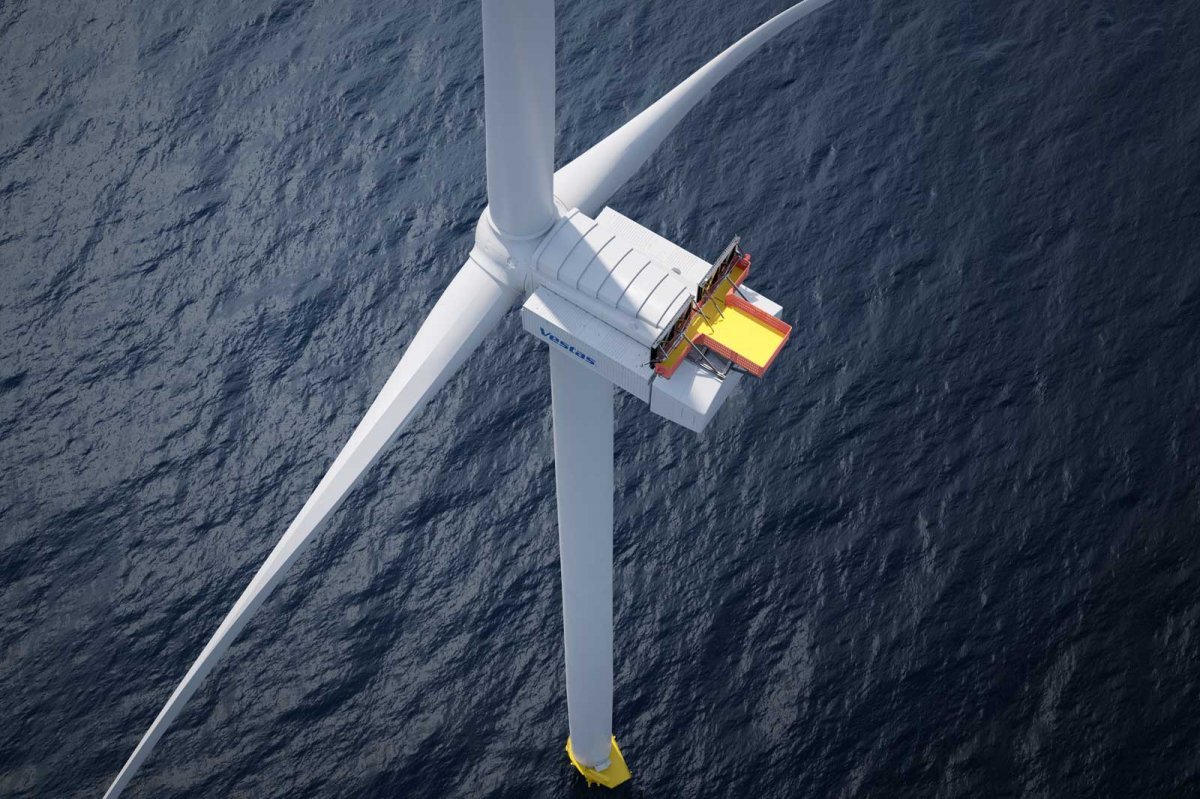
The latest generation of offshore wind turbines deployed in Dutch waters exemplifies the rapid pace of technological advancement in the sector. Vestas’ V236-15.0 MW turbine, the current workhorse of the North Sea, features a 115.5-meter blade length and a rotor diameter of 236 meters, making it the most powerful commercially available wind turbine in the world. A single rotation of these massive blades can generate enough electricity to power an average Dutch household for nearly two full days. Dutch researchers at TU Delft are developing next-generation concepts including 20 MW floating turbines for deeper waters.
Economic and Employment Impact
The Dutch offshore wind sector supports an estimated 25,000 direct jobs, with the number expected to grow to 40,000 by 2030. Rotterdam has become a major hub for turbine foundation manufacturing, while the port of Eemshaven serves as a staging area for North Sea installations. The sector’s growth has spurred investment in vocational training programs, with Dutch technical schools reporting a 60% increase in enrollment for renewable energy engineering programs. For more insights, check out our article on Dutch AI Startups Attracting Record Funding.
Challengs Ahead
Despite the positive trajectory, the sector faces headwinds. Supply chain constraints for high-voltage cables and turbine components have extended lead times, while rising steel prices and interest rates have increased project costs. The Dutch government has responded by adjusting subsidy mechanisms to account for inflation and by streamlining permitting processes, reducing the approval timeline for new wind farms from seven years to approximately four. With continued policy support and technological innovation, the Netherlands is well-positioned to serve as a model for offshore wind development worldwide.
Environmental and Marine Biodiversity Considerations
The expansion of offshore wind capacity in the North Sea has prompted careful consideration of environmental impacts and opportunities for marine biodiversity enhancement. Dutch regulators have implemented some of the world’s most comprehensive environmental monitoring programs for offshore wind farms, requiring developers to track bird migration patterns, marine mammal populations, and seabed ecosystem changes throughout the operational lifetime of each project. Early results from these monitoring programs have been encouraging, showing that properly designed wind farms can actually enhance local marine biodiversity by providing artificial reef structures that attract fish and other marine species.
The Dutch government has taken the innovative step of requiring biodiversity net gain from all new offshore wind projects, meaning developers must demonstrate that their installations will leave the marine environment in a better state than before construction. This has spurred innovation in turbine foundation design, with companies developing reef-friendly scour protection systems and artificial reef modules that integrate seamlessly with turbine foundations. The approach has attracted international attention, with several other North Sea nations considering similar biodiversity requirements for their own offshore wind programs. This Dutch leadership in combining renewable energy expansion with environmental stewardship demonstrates that the green transition can benefit both climate goals and natural ecosystems simultaneously when properly planned and executed.
Looking ahead, the Dutch offshore wind sector is poised for continued growth and innovation. The government has announced plans to tender an additional 10 GW of offshore wind capacity between 2027 and 2030, ensuring that the project pipeline remains robust well into the next decade. These new projects will benefit from the experience gained in earlier developments, with lower costs, faster installation times, and improved environmental outcomes expected. The Netherlands’ pioneering approach to offshore wind energy, combining ambitious targets with innovative technology and environmental stewardship, provides a compelling model for other nations seeking to accelerate their own renewable energy transitions while maintaining economic competitiveness and environmental protection in equal measure.
The Netherlands, for internationals
One email a week: the week's news for internationals in the Netherlands, new practical guides and what changed in the cities. No spam, unsubscribe any time.