On June 1, Anthropic quietly filed confidential paperwork for an initial public offering that could raise more than $60 billion. The target is a Nasdaq debut this October, led by Goldman Sachs, JPMorgan and Morgan Stanley. It would be one of the largest technology listings in years, and it comes just seven months after the company was valued at $380 billion in a February funding round.
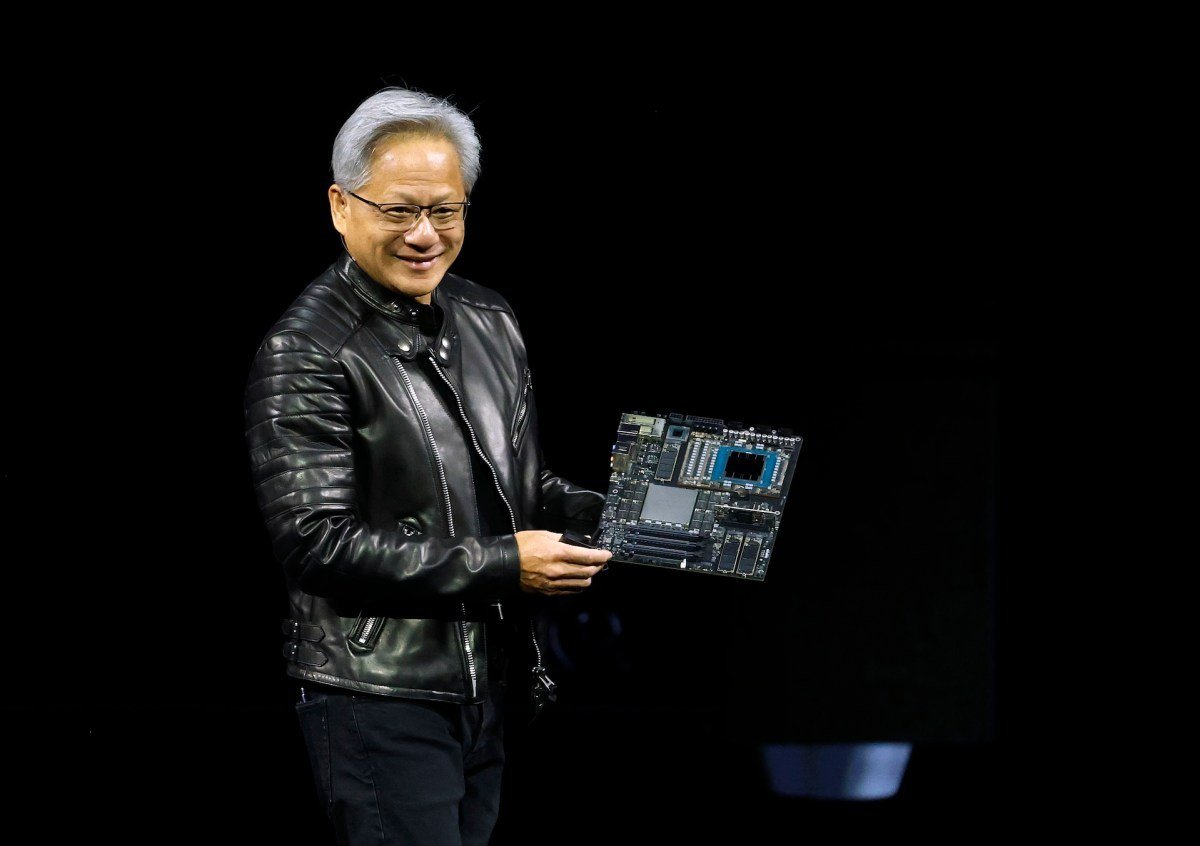
The IPO filing is not the only sign that Anthropic is preparing for a very different scale of business. The company is now in early talks with Samsung Electronics about building a custom AI chip, according to reporting from TechCrunch and Bloomberg. The project is still at a formative stage. Anthropic has not settled on what the processor should do, how powerful it needs to be, or how it would slot into existing server architecture. But the direction is clear: like OpenAI before it, Anthropic wants a chip that is not Nvidia’s.
Why a $965 billion company wants to build its own silicon
Anthropic’s valuation has moved fast this year. A $30 billion Series G in February put the company at $380 billion. By May, a $65 billion Series H-1 round pushed that figure to roughly $965 billion, with Samsung Electronics, SK Hynix and Micron all participating as strategic investors. That last detail matters. Samsung is not just a potential chip manufacturing partner, it is already on Anthropic’s cap table, which gives the two companies a financial reason to make a custom chip deal work.
The appeal for Anthropic is straightforward. Renting compute from Nvidia and cloud providers is expensive at the scale Anthropic now operates, and margins on inference matter more every quarter the company grows. A chip built specifically for its own models, manufactured on Samsung’s 2-nanometer process, could cut the cost of running Claude at scale. Samsung, for its part, gets a marquee customer to help fill its advanced packaging capacity, an area where it has trailed TSMC for years.
The move mirrors OpenAI’s own hardware ambitions. Earlier this year, OpenAI unveiled Jalapeño, a custom inference chip built with Broadcom that the company says beats competing hardware on performance per watt. Every major AI lab now appears to be asking the same question: why keep paying Nvidia’s margins when you can design your own silicon and split the manufacturing risk with a partner who already has skin in the game.
A company that is not yet profitable, going public anyway
Anthropic does not expect to turn a profit until 2028, according to figures reported alongside the funding rounds. That has not slowed the IPO timeline. If anything, the rush to file suggests Anthropic’s leadership wants to lock in a listing while investor appetite for frontier AI companies remains this strong. Public market enthusiasm for AI stocks has cooled and heated in cycles over the past two years, and a six-month delay could mean a very different reception.
There is also a competitive angle. Rival OpenAI has been the subject of its own IPO speculation, and a proposal reported this month would see OpenAI hand the US government a stake worth an estimated $42.6 billion at its roughly $852 billion valuation. Whichever lab reaches public markets first sets a benchmark the other has to answer to, both in valuation and in how investors judge whether AI companies can eventually turn revenue growth into real earnings.
What to watch next
Anthropic has not confirmed pricing or a final listing date, and the Samsung chip talks remain informal enough that neither company has committed publicly to a timeline. Confidential S-1 filings can also be withdrawn or delayed without much public explanation, so October is a target rather than a guarantee. Still, the combination of a near-trillion-dollar valuation, a chip partnership with one of its own investors, and a Nasdaq filing already in motion suggests Anthropic is building the infrastructure, financial and physical, to operate as a public company sooner rather than later.
For more coverage of the AI industry, visit Mylistingo.
The Netherlands, for internationals
One email a week: the week's news for internationals in the Netherlands, new practical guides and what changed in the cities. No spam, unsubscribe any time.