AMD just bought a company whose flagship chip can run exactly one AI model. That is not a design flaw. It is the whole point.
The chipmaker announced on August 6 that it has signed a definitive agreement to acquire Taalas, a Toronto startup founded in 2023 with a radical approach to AI hardware. Instead of building general-purpose processors that can load any model, Taalas physically etches a specific model’s weights into the silicon itself. Financial terms were not disclosed.
A chip that cannot change its mind
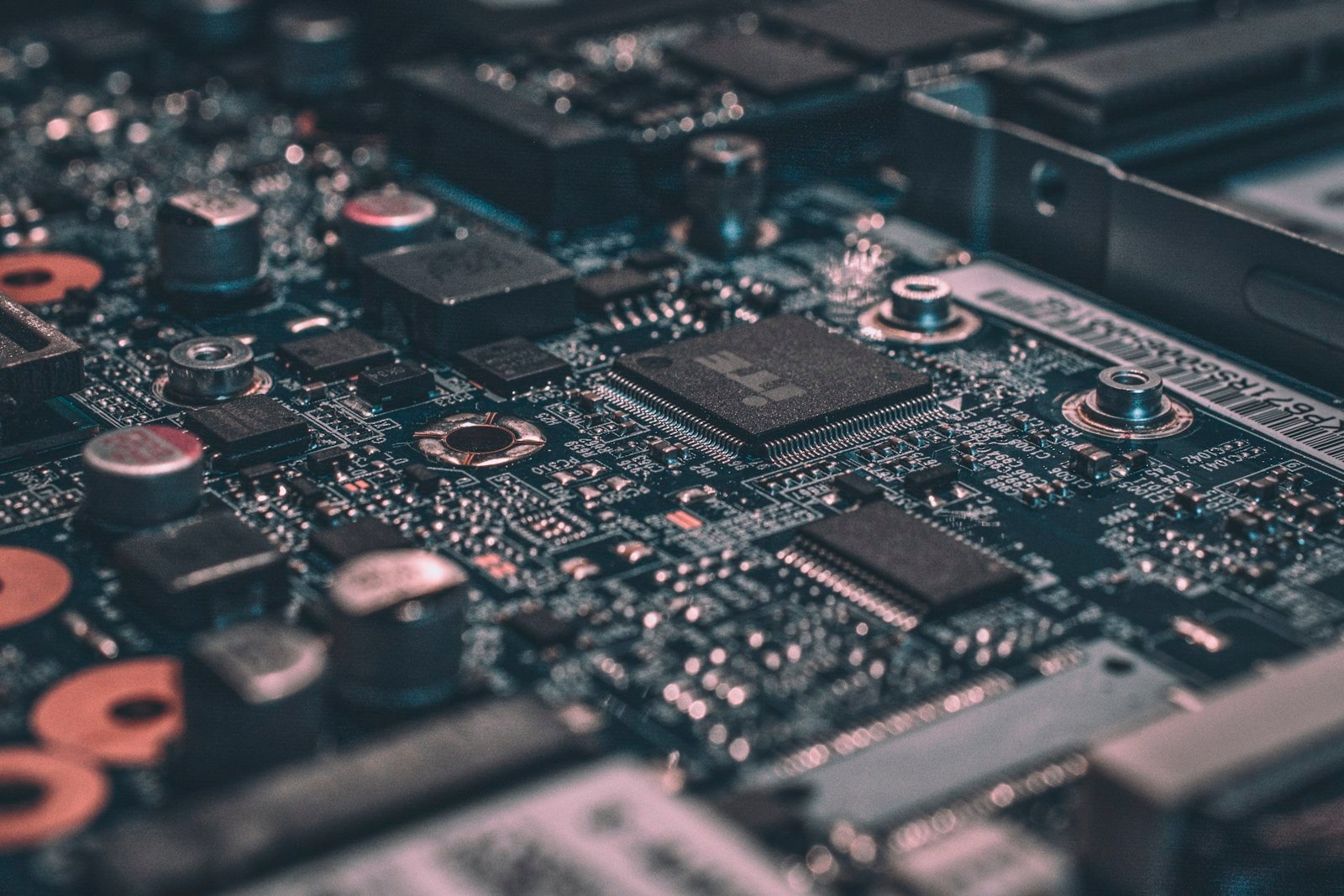
Taalas builds what it calls model-specific silicon, and its first product shows how literal that phrase is. The HC1 chip runs Meta’s Llama 3.1 8B and nothing else, because the model’s parameters are hardwired into the chip during manufacturing. There is no loading weights from external memory, no shuffling data between the processor and storage. The model is the chip.
That design attacks the biggest bottleneck in AI inference. Modern GPUs spend an enormous share of their time and energy moving model weights between memory and compute units rather than doing the actual math. By baking the weights into the transistors, Taalas removes that traffic entirely. The chips are fabricated by TSMC on its 6-nanometre process node, a mature and relatively affordable technology compared with the cutting-edge nodes that flagship GPUs demand.
The claimed results are striking. Taalas says its hardware can generate more tokens per second per user than Nvidia’s H200 and B200 accelerators, and outpaces specialist inference hardware from Groq, SambaNova, and Cerebras, while consuming one tenth of the power. Those are the company’s own figures, and independent benchmarks will be worth watching. But even a fraction of that efficiency gain would matter enormously in an industry where electricity has become the scarcest resource.
Why AMD wants frozen models
The obvious objection is that AI models change constantly. A chip that runs one model forever sounds like a liability in a field where labs ship new versions every few months. AMD is betting the economics say otherwise.
Inference, the work of actually running trained models for users, now dominates AI computing demand. Training happens once. Serving happens billions of times a day, and the workloads are surprisingly stable. A company running a popular model at scale might serve the same version for months. For those customers, a hyper-efficient chip dedicated to that exact model could cut serving costs dramatically, even if the hardware needs replacing when the model does.
AMD said it plans to fold Taalas technology into its accelerator roadmap and develop system-level products alongside its Instinct GPUs, EPYC processors, Helios rack-scale platform, and ROCm software stack. The picture that emerges is a portfolio play: flexible GPUs for training and fast-moving workloads, hardwired silicon for the stable, high-volume serving that drains most of the power budget.
The inference race tightens
The acquisition lands in the middle of an intensifying contest for the inference market. Nvidia still dominates AI hardware overall, but inference is where challengers see an opening, because the requirements differ from training. Groq built its business on deterministic, low-latency inference chips. Cerebras sells wafer-scale monsters. SambaNova pitches reconfigurable dataflow architecture. Each is chasing the same insight: the hardware that trained the model is not necessarily the best hardware to serve it.
AMD has been assembling inference capabilities piece by piece, and Taalas gives it something none of its rivals currently ship, a commercial chip with the model burned in. For Nvidia, the deal is one more sign that the competition has stopped trying to beat its GPUs at their own game and started changing the rules instead.
There is also a Canadian angle worth noting. Taalas emerged from Toronto’s deep pool of semiconductor and machine learning talent, and its acquisition continues a pattern of US chip giants shopping north of the border for specialised engineering teams.
What happens next
The open questions are practical ones. How quickly can AMD turn a startup’s first product into something hyperscalers will deploy by the rack? Which models get the hardwired treatment, and who decides? And can the efficiency claims survive contact with independent testing?
Answers should arrive over the coming year as AMD integrates the team and slots the technology into its roadmap. If the numbers hold up, the industry may need to rethink one of its base assumptions: that AI hardware has to be flexible. Sometimes the fastest chip is the one that only knows a single trick.
For more coverage of AI hardware and the chip industry, visit Mylistingo.