Your chatbot can now place trades on Binance
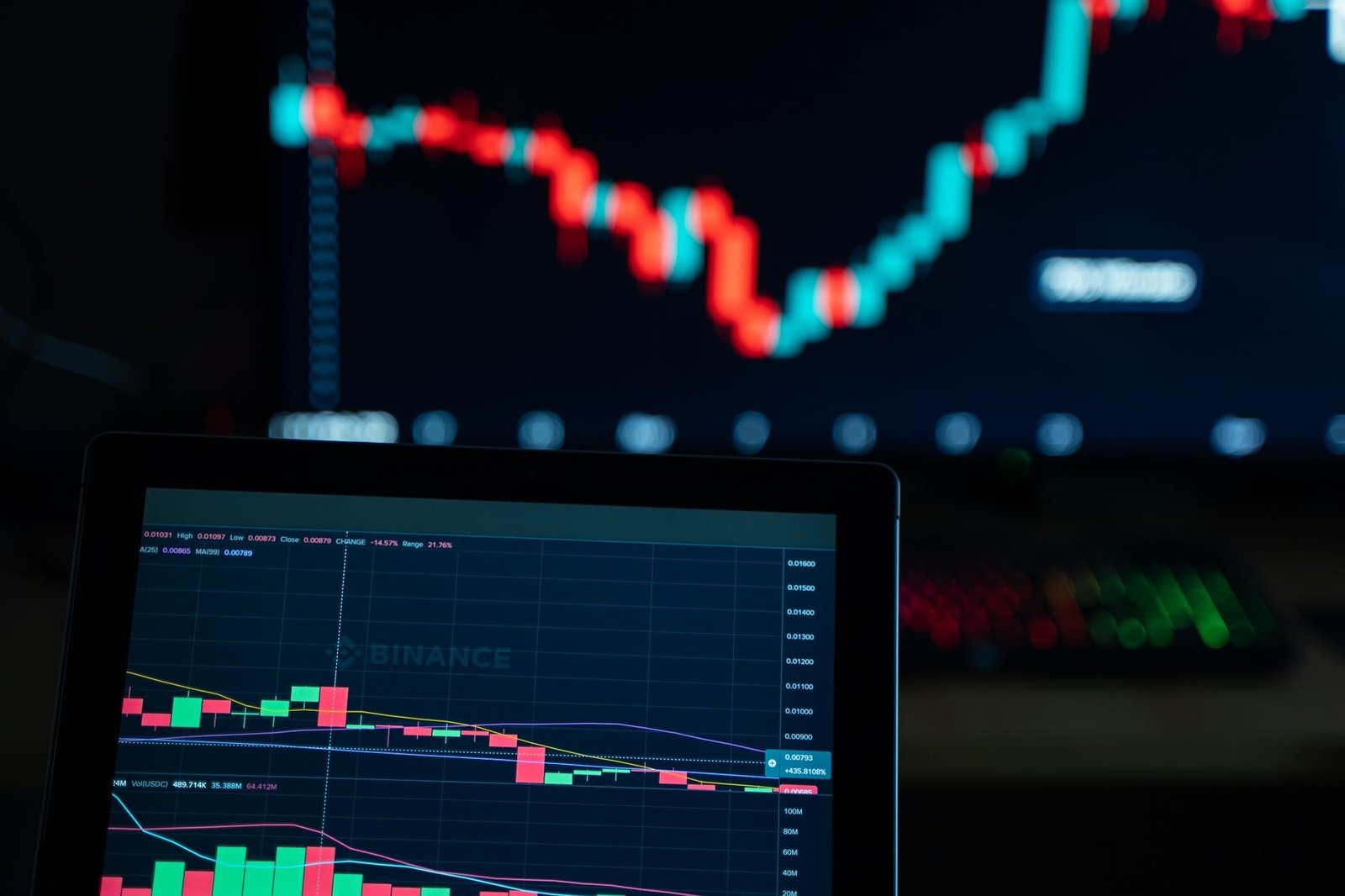
Binance has handed the keys to the machines. The world’s largest cryptocurrency exchange rolled out a system called Agent OS that lets AI agents connect directly to a user’s account and trade on their behalf, and the tools doing the trading are ones millions of people already have open in another browser tab. ChatGPT can do it. So can Claude Code and Cursor, the coding assistants that developers keep running all day.
What makes this different from the usual “AI meets crypto” press cycle is where the responsibility lands. Binance built the plumbing that lets an agent read balances, understand markets, and execute orders. What it did not build, at least not as the headline feature, is a thick wall of guardrails standing between an autonomous model and your money. Keeping the agent in check is largely the user’s job. That single design choice tells you almost everything about the bet Binance is making and the risk it is asking people to accept.
Why an exchange would even do this
Consider what an agent that can trade actually unlocks. A user could describe a strategy in plain language and let the model watch the order book around the clock, something no human can do without sleep or lapses in attention. Developers building on top of Cursor or Claude Code could wire trading logic into larger applications without wrestling with the raw mechanics of an exchange API. The friction that has always sat between an idea and an executed trade gets thinner.
Binance clearly sees where consumer software is going. People are starting to treat AI assistants as the front door to everything else they do online, and an exchange that is not reachable from inside that assistant risks becoming invisible. By making Agent OS work with the tools people already trust, Binance positions itself as the venue an agent reaches for by default. First-mover advantage in that layer is worth a great deal, and the company is moving to claim it before rivals wake up.
The tooling choices matter too. ChatGPT brings the mainstream crowd. Claude Code and Cursor bring the builders, the people who will construct the automated systems and bots that generate real trading volume. Cover both ends of that spectrum and you have seeded an ecosystem rather than shipped a feature.
The part that should give everyone pause
Now the uncomfortable side. AI agents are confidently wrong all the time. They hallucinate facts, misread instructions, and follow logic that looks sound until it produces a result nobody wanted. In a chatbot, a bad answer wastes a minute. In a live market, a bad decision spends real money in seconds, and crypto markets move fast enough that a mistake can compound before a person notices anything is off.
Then there is the security surface, which grows the moment an external tool touches a trading account. Prompt injection, where hidden instructions buried in a webpage or a document trick a model into doing something its owner never asked for, stops being an academic concern once the model can move funds. An agent that reads the wrong page and decides to liquidate a position is no longer a thought experiment. It is a Tuesday.
Putting oversight on users is a defensible philosophy. It is also a demanding one. Most people setting up an AI trading agent will not read the fine print on how autonomous the thing really is, will not set tight limits, and will not sit and watch it work. They will assume the platform would never let an agent do something catastrophic, right up until it does. The gap between how carefully Binance expects users to supervise these agents and how carefully they actually will is where the trouble lives.
A preview of a fight that is coming
Binance is not acting in a vacuum here. Autonomous agents that spend money, book services, and make decisions without a human clicking confirm are arriving across finance and commerce, and nobody has settled the hard questions yet. Who is liable when an agent loses a fortune on a bad call? What counts as adequate consent when a user delegates authority to a model they do not fully understand? Regulators have barely started asking, and a trading agent connected to a major exchange is exactly the kind of case that forces the issue into the open.
The smart move for anyone tempted by Agent OS is caution that borders on paranoia. Small limits. Close supervision. A clear-eyed understanding that the model is a tool with real failure modes, not a genius that happens to be free. Binance has opened a door that will not close again, and the coming months will show whether letting AI trade with light supervision was a glimpse of the future or a lesson the industry learns the expensive way. Watch what happens the first time an agent moves serious money the wrong direction. That story will shape the rules everyone else has to follow.
For more coverage of AI agents in finance, visit Mylistingo.
Source: Original Article
The Netherlands, for internationals
One email a week: the week's news for internationals in the Netherlands, new practical guides and what changed in the cities. No spam, unsubscribe any time.