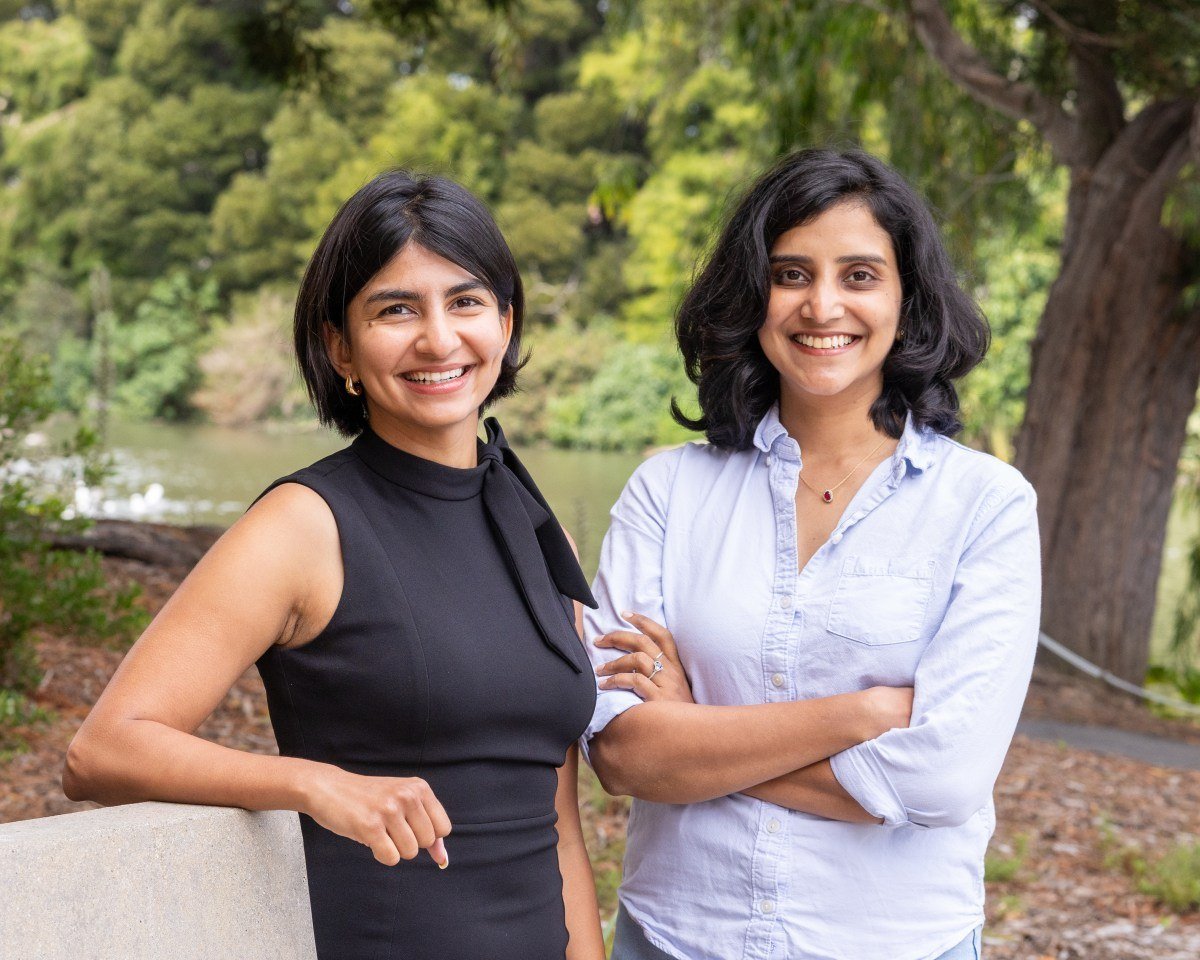
Gamma just bought itself a design team. On August 25, 2026, the AI presentation startup announced it had acquired Lica, an Accel-backed design startup, and the deal’s real payload is people rather than product. Lica’s co-founders are heading straight into Gamma’s newly formed research group, according to a report from TechCrunch.
That detail tells you almost everything about what this acquisition is. Nobody is trumpeting a Lica product roadmap or promising customers a seamless migration. The founders are the asset, and a fresh research team is the destination. In the current AI market, that combination has a name and a well-worn playbook.
What an acqui-hire actually buys
Deals like this rarely turn on technology. They turn on talent. When a company folds a small startup into a new research team, it is buying judgment, taste, and a founding team’s willingness to keep building under someone else’s banner. Design instincts do not show up on a balance sheet, and they are painfully hard to hire one engineer at a time. Buying an entire founding team that has already learned to work together is a shortcut.
Lica came up through Accel, one of the more selective early-stage backers in the industry, which is its own kind of signal. A firm like Accel does not write checks casually, and its portfolio companies tend to attract acquisition interest well before they reach scale. For Gamma, absorbing an Accel-vetted design team is a way of importing credibility along with the people.
For Lica’s founders, the calculus is familiar too. Running an independent design startup means constant fundraising, thin runway, and the grind of building distribution from scratch. Joining a company that already has a product in market and a research agenda to staff removes most of that friction. The trade is autonomy for focus, and plenty of founders take it happily.
Why Gamma wants design in the room
Gamma built its reputation on turning rough prompts into finished presentations, the kind of tool that promises to spare people the misery of wrestling with slide layouts. Products in that category live and die on how the output looks. A deck generator that produces something clumsy or generic gets abandoned fast, no matter how clever the underlying model is.
Design talent is exactly the constraint that a company like Gamma runs into as it grows. Getting a model to write coherent text is one problem. Getting it to make choices that a trained designer would sign off on, about hierarchy, spacing, color, and restraint, is a much harder one. That gap is where good AI products separate from forgettable ones, and it is why a research team stocked with designers is a sharper investment than another round of pure engineering hires.
Placing the Lica founders on a research team rather than a product team is the most interesting choice here. It suggests Gamma is thinking past its current feature set toward the harder question of how generative systems should handle visual craft at all. That is a longer bet than shipping the next update, and it hints at ambitions beyond presentations.
A pattern worth watching
Small design and tooling startups have become quiet acquisition targets across the AI sector. The larger platforms need specialized talent faster than they can grow it, and founders of early-stage companies increasingly see a well-timed sale as the rational exit. Gamma buying Lica is one more data point in that trend, notable less for its size than for how routine it has become.
The open question is whether these absorbed teams get to do their best work inside a bigger company or slowly get pulled into someone else’s roadmap. Founders who join a research group with room to explore can produce things they never would have shipped alone. Founders who get quietly reassigned to firefighting rarely stay long. Which version Gamma is offering will show up in what its research team actually publishes, and in whether Lica’s co-founders are still there a year from now.
Watch what Gamma does with this hire, not just the fact that it made it. If a new class of design-aware generative features shows up in the product over the coming months, the acquisition will look like foresight. If nothing surfaces, it will look like talent parked on a shelf. The founders went to Gamma to build something. The interesting part is finding out what.
For more coverage of AI startup acquisitions, visit Mylistingo.
Source: Original Article
The Netherlands, for internationals
One email a week: the week's news for internationals in the Netherlands, new practical guides and what changed in the cities. No spam, unsubscribe any time.