This guide is for internationals who have just arrived in the United Kingdom and need a current account for wages, rent and everyday spending. By the end, you will know what a basic bank account is, which banks must offer one, and how the eVisa system lets you prove your immigration status.
- What a basic bank account is
- Which banks must offer one
- Proving your immigration status with an eVisa
- What the bank will ask for
- Step by step: from arrival to an open account
- FAQ
What a basic bank account is
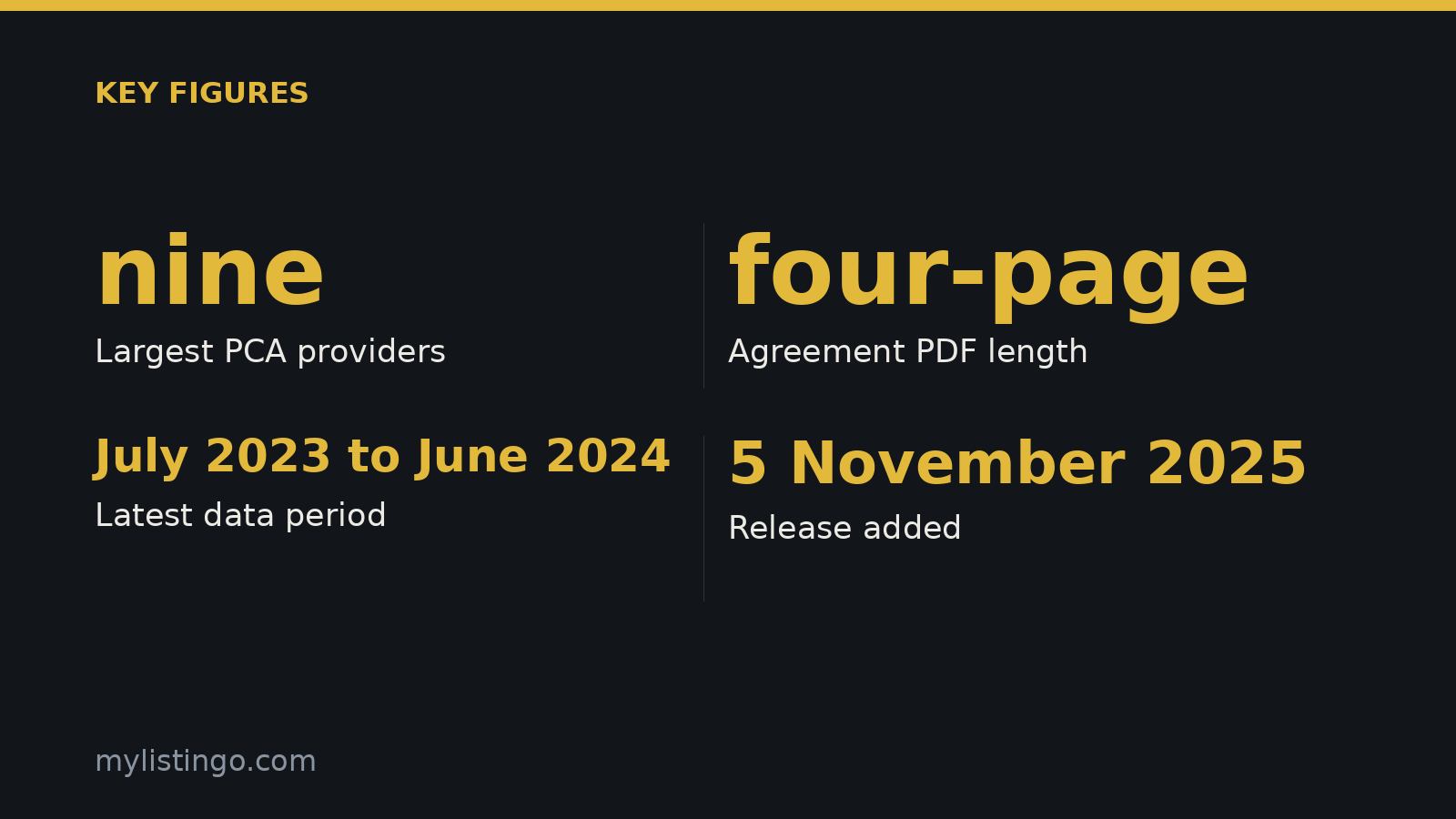
A basic bank account is a simpler form of personal current account (PCA). According to HM Treasury’s basic bank accounts collection on GOV.UK, the nine largest PCA providers are legally required to offer basic bank accounts that are fee-free for standard operations, including a failed payment. The government explains that this removes the risk of customers running up unintended overdrafts.
A basic account does not give you less access to everyday banking. Basic account customers can use the same services as the bank’s other PCA customers, and GOV.UK gives cash machine (ATM) access and Post Office counter access as examples.
These accounts come from an agreement between the government and the banking industry, published on GOV.UK as the revised basic bank account agreement. The summary page says the agreement sets out how new basic bank accounts are established. It does not list eligibility criteria on the page itself. The full agreement is available there as a four-page PDF.
Which banks must offer one
GOV.UK names nine designated institutions:
- Barclays UK
- The Co-operative Bank
- HSBC UK
- Lloyds Banking Group, including the Halifax and Bank of Scotland brands
- Nationwide Building Society
- NatWest Group, including the Royal Bank of Scotland and Ulster Bank brands
- Santander UK
- TSB
- Virgin Money
These providers have agreed to report data on basic bank accounts and personal current accounts to HM Treasury, which publishes it every year. The most recent release in the collection covers July 2023 to June 2024 and was added on 5 November 2025. Other banks and app-based providers may also offer accounts, but the legal requirement described on GOV.UK applies to these nine.
Proving your immigration status with an eVisa
When you open an account, a bank may ask about your right to be in the country. GOV.UK explains that an eVisa is a digital record of your identity and immigration status. That includes the type of visa you hold, or whether you have indefinite leave to remain (settlement). It also records the conditions of your status, such as whether you are allowed to work or study in the UK.
You get an eVisa when you successfully apply for a visa or other permission to be in the UK. eVisas have replaced physical immigration documents, with two exceptions:
- Biometric residence card (BRC): you may still be able to use it in some situations.
- Visa vignette: the sticker in your passport remains valid until it expires.
To access your eVisa, you need a UK Visas and Immigration (UKVI) account. You can set one up if you do not already have one, and it costs nothing to set up the account or to access your eVisa. From the account you can view your eVisa and get a share code to prove your immigration status. You can also add your passport or travel document details, which you need to do before you can travel with your eVisa.
GOV.UK gives starting a new job and renting a home as examples of when you might use a share code. The eVisa page does not mention banks. It does not say whether a bank will ask for a share code or how a bank checks one. Each bank decides that.
What the bank will ask for
None of the official pages covered here lists the documents needed to open a basic bank account. They do not mention a proof of address requirement, a minimum age, a minimum period of residence or a processing time. Each bank sets its own identity checks and decides which documents it accepts. For those details, go to the bank itself, either on its website or at a branch.
What the official pages do make clear is how immigration status is proved today. You prove it through the eVisa record in your UKVI account rather than a physical card, apart from the BRC and vignette exceptions above. If a bank asks for a physical document you no longer hold because of the move to eVisas, you can ask the bank which alternatives it accepts.
Step by step: from arrival to an open account
- Set up your UKVI account if you do not already have one, and view your eVisa to see the identity details and status it records.
- Add your passport or travel document details to the account. GOV.UK says this is needed to travel with your eVisa.
- Choose a provider. The nine designated institutions listed above are legally required to offer a basic bank account.
- Check the bank’s requirements. Find out which identity documents and proof of immigration status it accepts, and whether it accepts a share code.
- Apply for the product you want by name. Banks also sell other current accounts with different terms, so it helps to say clearly if you are applying for a basic bank account.
- Use the account. Once it is open, ATM and Post Office counter access work on the same basis as for the bank’s other PCA customers.
This guide explains the published rules and cannot assess anyone’s individual situation. For questions about your immigration status itself, such as whether your eVisa is correct or what your conditions allow, you can get advice on your own case from an immigration adviser registered with the Office of the Immigration Services Commissioner (OISC) or a solicitor regulated by the Solicitors Regulation Authority (SRA).
FAQ
Does a basic bank account charge fees?
At the nine designated banks, basic bank accounts must be fee-free for standard operations, including a failed payment, according to GOV.UK. The page does not list what falls outside standard operations. For that, the bank’s own terms and conditions are the source.
Can I still use my biometric residence card?
GOV.UK says that if you have a biometric residence card, you may still be able to use it in some situations, but eVisas have replaced physical immigration documents. The official pages do not say whether banks accept a BRC. Each bank decides which documents it takes.
Does it cost anything to get a share code?
The eVisa page states that you do not need to pay to set up a UKVI account or to access your eVisa, and you get share codes through that account. The page does not mention any separate charge for a share code.
Can a bank refuse to open a basic bank account?
The GOV.UK summary pages covered here do not set out eligibility criteria or grounds for refusal. The underlying agreement between the government and the banking industry is published on GOV.UK as a PDF. For a question about how your immigration status affects your case, an OISC-registered adviser or an SRA-regulated solicitor can advise.
Official sources: gov.uk · gov.uk · gov.uk
Last verified: 26 September 2026 against the official pages linked above. Rules and fees change; the official page always wins.
This is general information, not legal or immigration advice. Immigration advice in the UK may only be given by advisers regulated by the OISC or by solicitors regulated by the SRA.
Sources
- gov.uk: Basic bank accounts, accessed 26 September 2026 (archived copy)
- gov.uk: Revised basic bank account agreement, accessed 26 September 2026
- gov.uk: eVisas: access and use your online immigration status, accessed 26 September 2026 (archived copy)