This guide is for people who have moved to Munich from abroad, with or without children, and want to know whether the Deutsches Museum is worth a day out. It covers what you will find inside, how to plan a visit and which of the city’s other museums make a good next trip.
- What the Deutsches Museum covers
- What works for children and what suits adults
- Planning your visit
- The other Deutsches Museum sites
- Other Munich museums worth knowing
- FAQ
What the Deutsches Museum covers
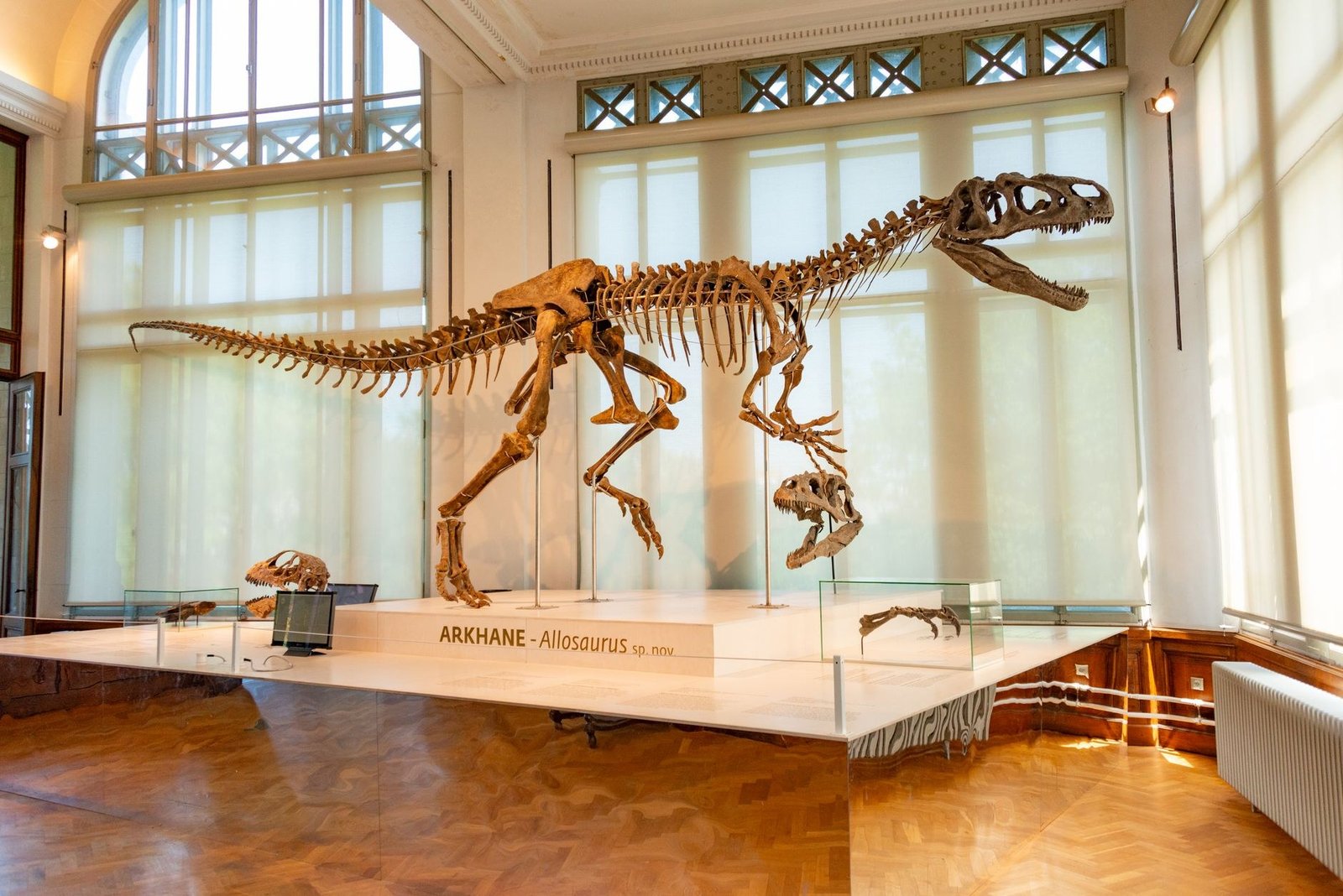
The Deutsches Museum (German Museum) is Munich’s museum of science and technology. Its main building sits on the Museumsinsel (Museum Island) at Museumsinsel 1, 80538 Munich, and the museum has been welcoming visitors for 100 years. It describes its subject as the past, present and future of technology and the natural sciences.
The scale is worth understanding before you go. The museum lists 20 permanent exhibitions, running from astronautics to classical optics, from chemistry to robotics, and from health to the Kids’ Kingdom. Across the whole collection there are 125,000 objects in 53 subject areas, with 25,000 exhibits on display. You will not see everything in one visit, and nobody expects you to.
What makes it different from a quiet gallery is the hands-on side. The museum says every exhibition has interactive stations and push-button experiments, alongside dioramas (lifelike showcase scenes) and laboratory areas where you can try things yourself. Original masterpieces of engineering stand next to stations where you can test how they work.
The building is also part of a long modernisation, which the museum calls its century project. The website has a section on the construction work and the renewal of the exhibitions, so check it if you are hoping to see a particular gallery.
What works for children and what suits adults
For families, the Kids’ Kingdom is the obvious starting point, as it is listed among the permanent exhibitions. The push-button experiments and hands-on stations elsewhere in the building also suit curious children, especially those who learn better by touching than by reading labels. A sensible plan with younger children is to choose two or three areas and leave while everyone is still enjoying themselves.
Adults get a lot out of the place too. The museum offers lectures on current science topics, highlight tours, hands-on activities and laboratory programmes aimed specifically at adults. The events calendar has also listed a virtual reality tour of the old Visitor’s Mine, which gives you a sense of underground working life in earlier times.
If you work in research or simply like archives, the museum houses what it calls Germany’s largest library specialising in the history of science and technology, with one million volumes and 53,000 articles. Its archive holds company documents, technical drawings and manuscripts spanning nine centuries on 4.7 kilometres of shelving.
Planning your visit
Prices, tickets, directions and opening hours are all on the museum’s Visit page, reached from the main website. These details change, so check there rather than relying on what a friend paid last year. The museum also lists upcoming closing days on its homepage, which is worth a glance before you set off.
The museum recommends downloading its free Deutsches Museum App before your visit. It helps when you are trying to find your way through a building this size.
For newcomers who are still building their German, there is good news. The museum has run a six-month trial in which its general Highlight Tour is offered in English at weekends, and its events calendar has included English-language tours of science and technology highlights. Look at the events listings on the website for the next available tour, as the programme changes.
Special events are listed on the homepage too, including the museum’s programme for the Long Night (a city-wide evening of museum openings), for which tickets go on sale in advance.
The other Deutsches Museum sites
Many residents do not realise the Deutsches Museum has more than one site. Two of them are in or near Munich.
- Verkehrszentrum (transport museum), Am Bavariapark 5, 80339 Munich. Three exhibition halls cover urban transport, travel and mobility, with everything from racing cars and steam locomotives to bicycles and the ICE high-speed train. A strong choice for children who love vehicles.
- Flugwerft Schleißheim (aviation museum), Effnerstrasse 18, 85764 Oberschleissheim, near the airport. It traces the history of flight from the Lilienthal glider to the Eurofighter, with more than 70 flying objects on display. The museum notes there may be some disruption until the end of the year, so check before you go.
Further afield, Deutsches Museum Nürnberg, called Das Zukunftsmuseum (the Museum of the Future), is at Augustinerhof 4, 90403 Nuremberg. It features research prototypes, talking robots and XR (extended reality) worlds. It recommends booking online tickets in advance and suggests it is suitable from 12 years upwards. There is also Deutsches Museum Bonn at Ahrstraße 45, 53175 Bonn, where groups and school classes must register before visiting.
Other Munich museums worth knowing
Once you have done the Deutsches Museum, the city’s official museum overview on muenchen.de is a useful map of what else is out there. A few that stand out for new residents:
- Museum Mensch und Natur (Museum of Humankind and Nature), a children’s natural history museum in the north wing of Nymphenburg Palace.
- Biotopia Lab, with exhibitions, workshops and activities for children.
- Paleontological Museum, described by the city as a journey back to prehistoric times.
- Museum of Plaster Casts of Ancient Art, with about 2000 ancient statues and works of art made of plaster.
- Alte Pinakothek, with over 700 artworks from the 14th to the 18th century, and the Pinakothek der Moderne for 20th and 21st century art.
- Lenbachhaus, home of the world’s largest collection by the Blauer Reiter (Blue Rider) group.
- Bavarian State Archaeological Collection, covering 120,000 years of human history in Bavaria.
Note that the city lists the Münchner Stadtmuseum (Munich City Museum) as closed for modernisation. The muenchen.de page does not give opening hours or prices for these venues, so check each museum’s own site for current details.
FAQ
Is the Deutsches Museum suitable for young children?
Yes. The museum lists a Kids’ Kingdom among its 20 permanent exhibitions, and every exhibition includes interactive stations and push-button experiments. Choosing a few areas works better than trying to see everything.
Are there tours in English?
The museum has trialled its general Highlight Tour in English at weekends and has listed English-language highlight tours in its events calendar. Check the events listings on the website for upcoming dates.
Where can I find ticket prices and opening hours?
The museum’s Visit page has current prices, tickets, directions and opening hours. Closing days are flagged on the homepage, so check before you travel.
Is the Verkehrszentrum part of the same museum?
Yes. The Verkehrszentrum at Am Bavariapark 5 is a Deutsches Museum site dedicated to transport, with three halls covering urban transport, travel and mobility. Flugwerft Schleißheim in Oberschleissheim is the museum’s aviation site.
Official sources: deutsches-museum.de · muenchen.de
Last checked: 10 October 2026 against the pages linked above. Prices, opening hours and programmes change; the venue’s own site always has the current details.
Sources
- deutsches-museum.de: Home, accessed 10 October 2026
- muenchen.de: Munich museums, accessed 10 October 2026
Munich, for internationals
One email a week: what changed for internationals in Munich, the week's news from de, and one guide worth reading. No spam, unsubscribe any time.