This guide is for internationals who live in The Hague or are about to move there and want to learn Dutch, whether the law requires it or a job does. By the end you will know where to register first, how to find out if the integration rules apply to you, what the CEFR levels in job ads mean, and how to choose a course that fits your situation.
- Register with the municipality first
- Who has to integrate and who does not
- The CEFR levels employers ask for
- Library and municipality options
- Choosing a course without wasting a term
- FAQ
Register with the municipality first
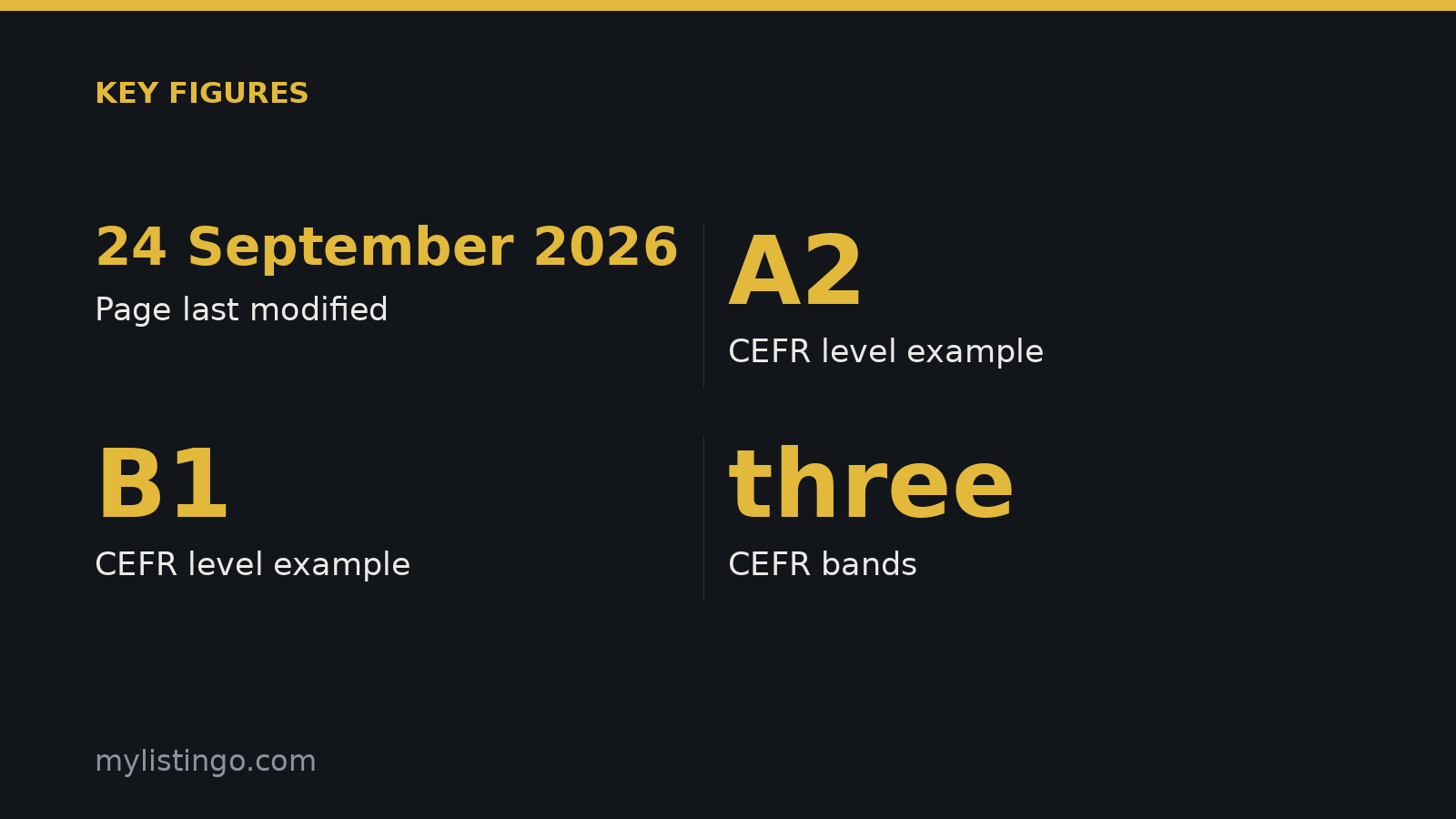
Start with registration, not with a language school. Your registration status tells you which group the city puts you in, and that group decides which rules you need to check later. The municipality’s Moving and immigration page was last modified on 24 September 2026. It sends newcomers down different routes depending on who they are.
If you already have a BSN, the page sends you to registration in the BRP, the Dutch population register. If you do not have one yet, it gives separate routes for Dutch citizens, for EU/EEA and Swiss citizens, for people with a residence permit, for highly skilled migrants and scientific researchers, for international students and for privileged persons. People who live outside the Netherlands use the non-resident register (RNI), and the page lists the steps to apply for a BSN, change their details and get a DigiD from abroad.
Make a note of which of these groups you are in. You will need it in the next step.
Who has to integrate and who does not
Inburgeren is the Dutch word for the official integration process, and many newcomers worry about it too early. Two things are clear from the municipality’s page. First, asylum seekers and refugees have their own section, with links to integration and naturalisation, to information for people from Ukraine (in Dutch) and to registration procedures for asylum seekers. Second, the other groups listed above are dealt with through the normal registration routes.
The page does not set out who is legally obliged to integrate, by what deadline, at what language level or at what cost. Do not rely on what friends or forums tell you. Whether the obligation applies depends on your residence status, and the municipality or the national agency that handles your permit decides each case on its own facts. If you came through the asylum route, start with the integration and naturalisation link on the municipality’s page. If you are in any other group and are unsure, ask the municipality directly through the contact option on the same page before you pay for a course.
If you turn out not to be obliged, you can still learn Dutch. It just means you choose the level, the pace and the provider yourself.
The CEFR levels employers ask for
Dutch job ads often state a language level as a letter and a number, such as A2 or B1. These labels come from the Common European Framework of Reference for Languages (CEFR). It sorts learners into three bands. The A levels describe a basic user who can handle familiar, everyday situations. The B levels describe an independent user who can follow work conversations, write routine emails and explain a point of view. The C levels describe a proficient user who works comfortably in the language, including in complex or formal settings.
No official source sets one level for all jobs in The Hague. Each employer decides what it needs, and the requirement for a public-facing role may be very different from the one for an internal technical team. Read the vacancy carefully and ask two questions before you start studying: which CEFR level do they expect, and do they want a certificate or just an interview in Dutch? The answer decides whether you need an exam-focused course or simply a lot of speaking practice.
If you also fall under the integration rules, check whether the level you need for that matches the level your employer wants. They may not be the same, and the agency handling your case decides which exam or level counts for integration.
Library and municipality options
Paid language schools are not your only option. Public libraries and municipal services in the Netherlands often run or refer people to conversation groups, self-study material and volunteer language help. The municipality’s moving and immigration page does not list these services, their dates or their entry conditions. Ask at your local library branch and through the municipality’s contact channel what is available right now and who can join.
Free or low-cost options are a good fit at two points. At the start, they get you used to hearing Dutch before you commit to a paid term. Later, they give you speaking practice between formal lessons, which most classroom courses do not offer enough of. They rarely replace a structured course if you need a certified level by a fixed date.
Choosing a course without wasting a term
Most wasted terms come from starting at the wrong level or in the wrong type of course. Run through these checks before you enrol.
Ask for a placement test, and be wary of a school that puts you in a group without one. Ask which CEFR level the course aims for and how many terms it usually takes to get there from where you are now. Check whether the course prepares you for a specific exam, and whether that exam is the one your employer or your integration case actually needs. If you are under the integration rules, get written confirmation from the relevant agency that a course or exam counts before you pay. The official page does not state this, and it is decided case by case.
Look at cost and logistics with the same care. The municipality’s page lists no course fees, so prices come from each provider and can differ widely. Ask what is included, such as books, online access and exam fees, and what the refund rules are if you have to stop. Choose a timetable you can keep up during a busy work month. Two evenings a week that you actually attend are worth more than an intensive programme you drop halfway through.
Finally, plan for practice outside class. A library conversation group or a weekly language exchange alongside your course is often what moves you from understanding Dutch to speaking it.
FAQ
Do EU citizens in The Hague have to take the integration route?
The municipality’s moving and immigration page lists EU/EEA and Swiss citizens as a separate registration group, but it does not say whether the integration rules apply to them. Your obligation depends on your status. Ask the municipality or the relevant agency, which decide each case on its own facts.
How much does a Dutch course in The Hague cost?
The municipality’s page does not publish course fees. Each provider sets its own prices, so compare what each one includes, such as materials, exam fees and refund terms. If you are under the integration rules, ask the agency handling your case what financial arrangements apply to you.
What Dutch level do I need for a job?
There is no single citywide standard. Each employer decides, usually as a CEFR level such as A2, B1 or higher. Ask the employer which level they expect and whether they need a certificate before you choose a course.
I came to the Netherlands as a refugee. Where do I start?
Register with the municipality first, then use the integration and naturalisation link in the asylum seekers and refugees section of The Hague’s moving and immigration page. The municipality also has separate information for people from Ukraine (in Dutch) and on registration procedures for asylum seekers.
Official sources: denhaag.nl
Last verified: 16 October 2026 against the official pages linked above. Rules and fees change; the official page always wins. General information, not legal or tax advice.
Sources
- denhaag.nl: Moving and immigration, accessed 16 October 2026
The Hague, for internationals
One email a week: what changed for internationals in The Hague, the week's news from the Netherlands, and one guide worth reading. No spam, unsubscribe any time.