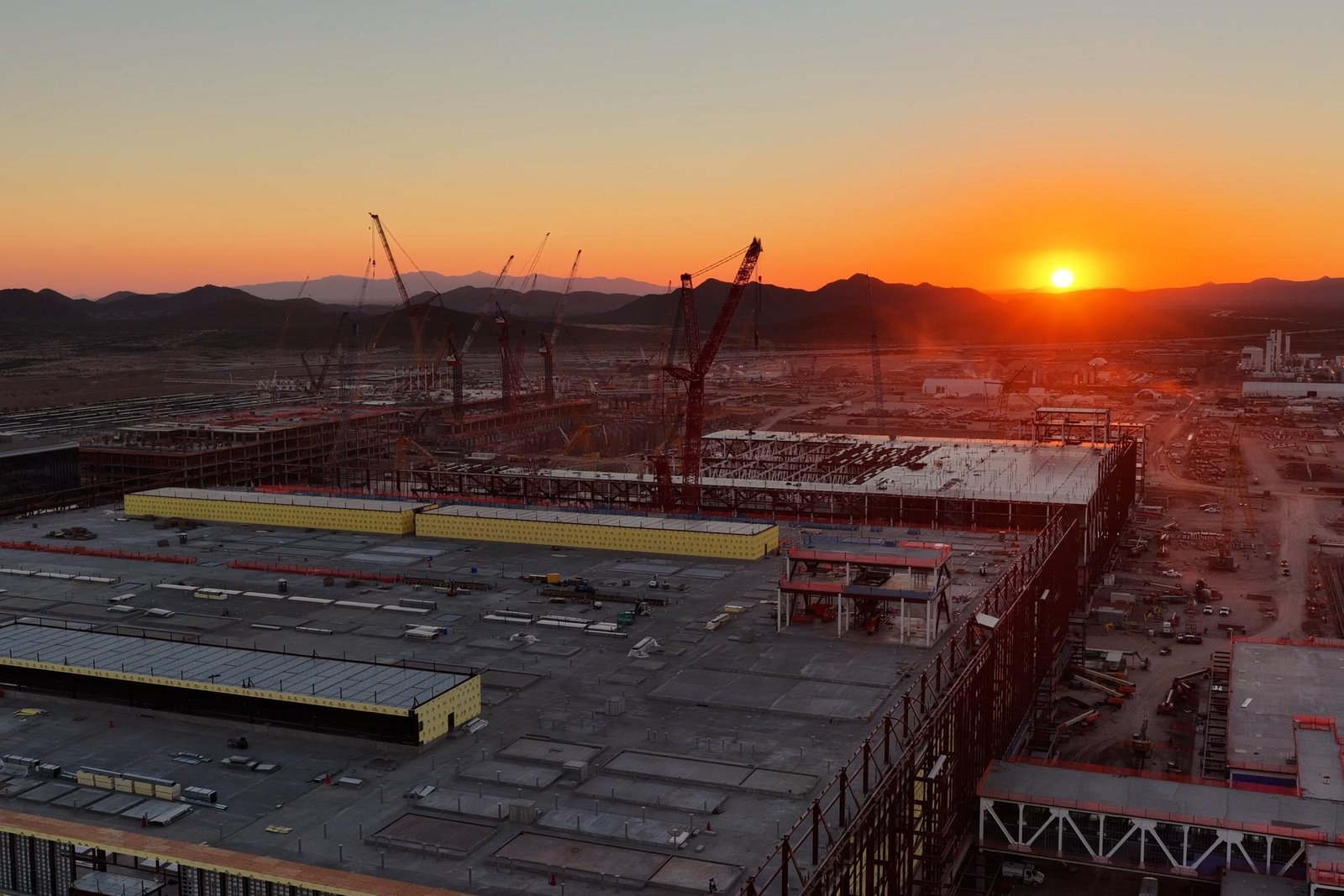
Arizona spent decades handing its water to industry. Chipmaking, mining and farming all took a share. Now data centers want more, and residents have started pushing back in public.
The numbers are large. TSMC’s Arizona complex pulls nearly 5 million gallons of water every day from Phoenix’s municipal supply. Google’s facility in The Dalles, Oregon uses roughly 1.5 million gallons daily, about a third of that total.
The state already hosts 172 data centers. Those early projects drew little attention because they looked like ordinary office buildings. The new hyperscale facilities look nothing like them at all.
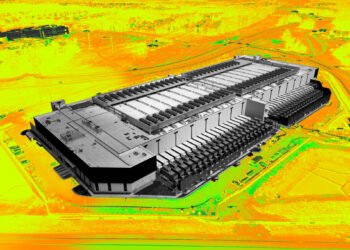
They arrive on rural farm and desert land, and they demand far more water, power and acreage. That combination has triggered a surprisingly bipartisan backlash from Phoenix to Tucson, documented this week by The Verge.
Water is the flashpoint. Arizona will soon lose access to nearly 30 percent of the water it receives from the Colorado River. Residents argue that new industrial demand is arriving at the worst possible moment.
Organizers with the No Desert Data Center Coalition rallied outside Tucson in August. The group gathered near a 290-acre site where Beale Infrastructure is building a 600-megawatt data center. Their slogan was blunt: “Not one drop for data.”
Heat is the second complaint. Activists say the facilities create heat islands that can raise surrounding temperatures by more than 10 degrees Fahrenheit. Local residents worry about saguaro cacti dying as the desert warms further.
TSMC remains largely exempt from the anger. Phoenix courted the company for years, and its investment has grown from a projected $12 billion to $265 billion. The company describes that as the largest foreign direct investment in US history.
TSMC has added more than 3,500 jobs and controls an estimated 70 percent of the global chip market. Apple and Nvidia contracts alone account for over a third of its annual revenue. Residents welcomed that growth with open arms.
The difference, locals say, is what comes back to them. Data centers promise tax revenue and very few permanent jobs. Critics argue they consume water and land while contributing little to the communities hosting them.
Other states are watching closely. Texas froze grid hookups for data centers over concerns about ghost demand, and a recent report warned that data centers could erase decades of Texas air quality gains.
Arizona’s debate is far from settled. City councils are still approving projects while residents pack meetings to oppose them. Both sides say they want a prosperous state, but their plans for getting there no longer match.
Read the full investigation at The Verge.
The Netherlands, for internationals
One email a week: the week's news for internationals in the Netherlands, new practical guides and what changed in the cities. No spam, unsubscribe any time.