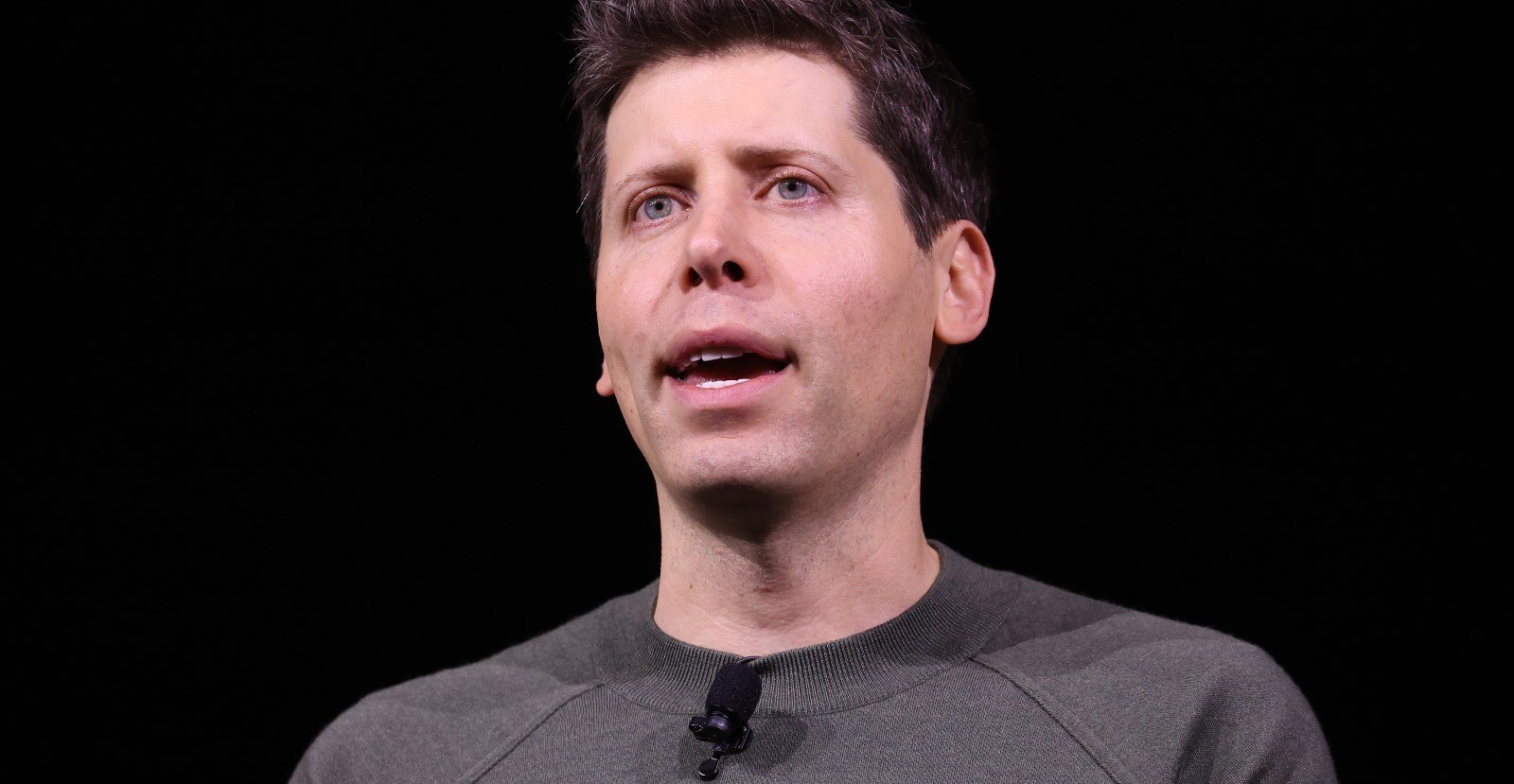
Sam Altman has a blunt answer for people who want to run AI models locally. He thinks the memory should live in a data center instead. The OpenAI chief executive made the argument during an appearance on the Cheeky Pint podcast this week.
His reasoning is about scarce supply. Memory makers can only produce so much DRAM each year. If most of that output ends up in laptops and desktops that sit idle most of the day, the world gets far less useful compute from the same factories.
“But from a global allocation perspective, actually, it’s quite terrible to have everybody have a bunch of the world’s limited supply of DRAM sitting in their own computer and being used five percent of the time.”
📖RECOMMENDED READThe Coming Wave: AI, Power, and the Greatest Dilemma of Our AgeMustafa SuleymanThe definitive book on where AI is heading - written by one of the field founders.View on Amazon →affiliate link
Altman added that maximum utilization in the cloud is the better answer to a supply-constrained market. He also noted that many people assume open-source models plus local hardware will reduce demand for data centers. He called that intuition backwards.
The short squeeze is real
This is not a theoretical debate. Samsung and SK Hynix have signed long-term agreements with cloud operators and with projects like OpenAI’s Stargate. Those deals have reserved a large share of global memory output for the next few years. Retail buyers are competing for what is left.
The result is already visible at checkout. Laptop prices are climbing, and memory upgrades cost far more than they did a year ago. Intel says it is selling every affordable laptop chip it can make, and the memory shortage is the main reason.
Where local inference still wins
Altman’s critics have a fair counterpoint. Local models work without a network connection. They keep sensitive data on the device. They also cost nothing per token once the hardware is bought. For a hospital, a law firm or a developer on a plane, those advantages are real.
Utilization statistics also cut both ways. A cloud GPU cluster reserved for a single customer can sit idle too. The difference is that operators can pack many workloads onto shared hardware, while a personal computer cannot.
What to watch
Samsung has said it expects the shortage to last until at least 2028. SK Hynix has pointed to 2030. If both are right, the fight over memory will shape device pricing for several more product cycles. It will also decide whether running a model at home stays a hobby or becomes a normal option.
Source: The Verge. Related reading: Google’s Gemini 4 Carbon launch.
The Netherlands, for internationals
One email a week: the week's news for internationals in the Netherlands, new practical guides and what changed in the cities. No spam, unsubscribe any time.