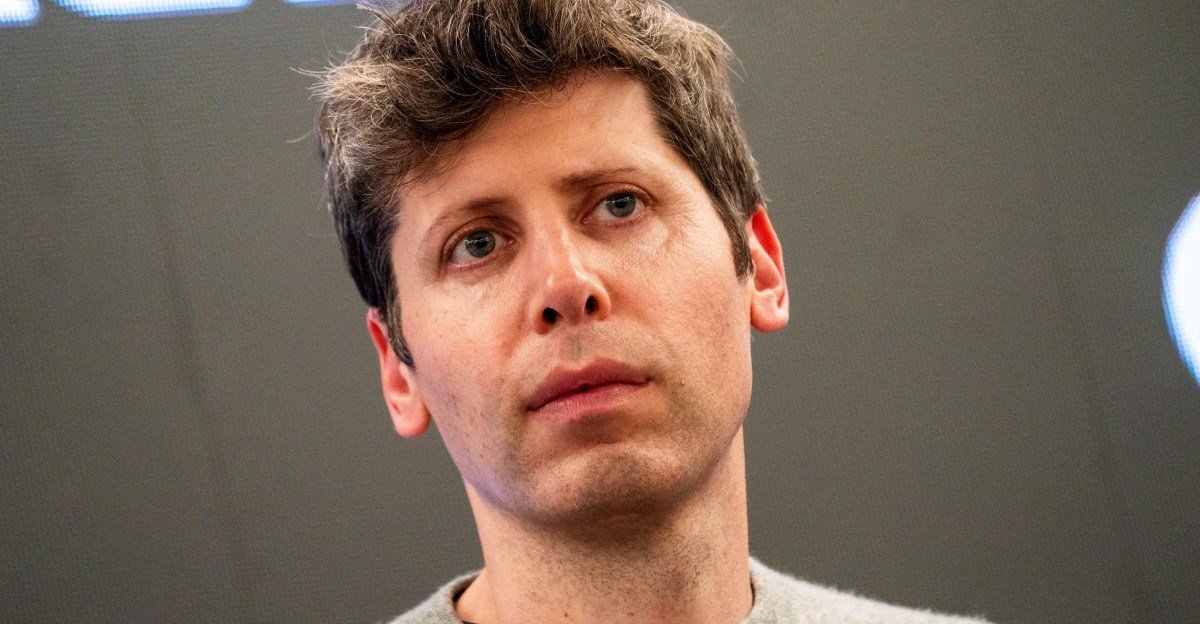
OpenAI chief executive Sam Altman spent election night doing something unusual. He changed his display name on X to “Ram Altman” and started arguing about memory prices.
The rename answered critics who had spent days quoting an older interview back at him. In that interview, Altman said it is “quite terrible to have everybody have a bunch of the world’s limited supply of DRAM sitting in their own computer and being used five percent of the time.”
He pushed back hard on how the comment was read. He wrote that he does want the world to have plenty of memory. He added that people should put as much of it as they want inside their own computers. He also said the quote had been taken out of context and that he has argued for years that memory production must ramp up.
A second post followed, aimed squarely at PC builders. “I want you to have so much ram lets build more,” he wrote. The tone was playful. The problem underneath is not.
Why memory became a mainstream argument
AI data centers have been buying memory at a scale the hardware industry has never handled before. That demand pulled supply away from the consumer market and pushed prices up on laptops, desktops, and single-board computers. Anyone who priced a DDR5 kit two years ago now sees a very different number.
Altman’s original point was about utilization. A memory module inside a home desktop sits idle for most of the day. The same silicon inside a training cluster runs flat out. Judged purely on efficiency, the argument holds together.
The counterargument is simpler and angrier. People own their machines, and they expect to upgrade them without asking a data center for permission. Being told that your memory really belongs to someone else’s cluster sounds like losing control of something you paid for.
The shortage will not clear soon. Intel expects it to last through at least next year. SK Hynix has predicted it could drag on until 2030.
That timeline explains the sensitivity. Memory prices now decide whether a family can afford a laptop and whether a small studio can buy a workstation. A joke about a display name does not change those numbers.
What to watch next
Watch retail pricing on DDR5 kits and on 16GB single-board computers. Both moved sharply this autumn as AI demand climbed. We covered the Raspberry Pi 5 price jump earlier this week, and it remains a useful proxy for where consumer memory costs are heading.
Watch OpenAI’s next public appearances as well. Any hint that the company is buying memory directly at scale will land differently now. The subject has escaped the hardware forums.
Source: The Verge — Sam Altman addresses RAM comments
Related: Sam Altman Says Your Desktop RAM Belongs in a Data Center · Raspberry Pi 5 16GB Now Costs $385 After Another RAM Price Hike
The Netherlands, for internationals
One email a week: the week's news for internationals in the Netherlands, new practical guides and what changed in the cities. No spam, unsubscribe any time.