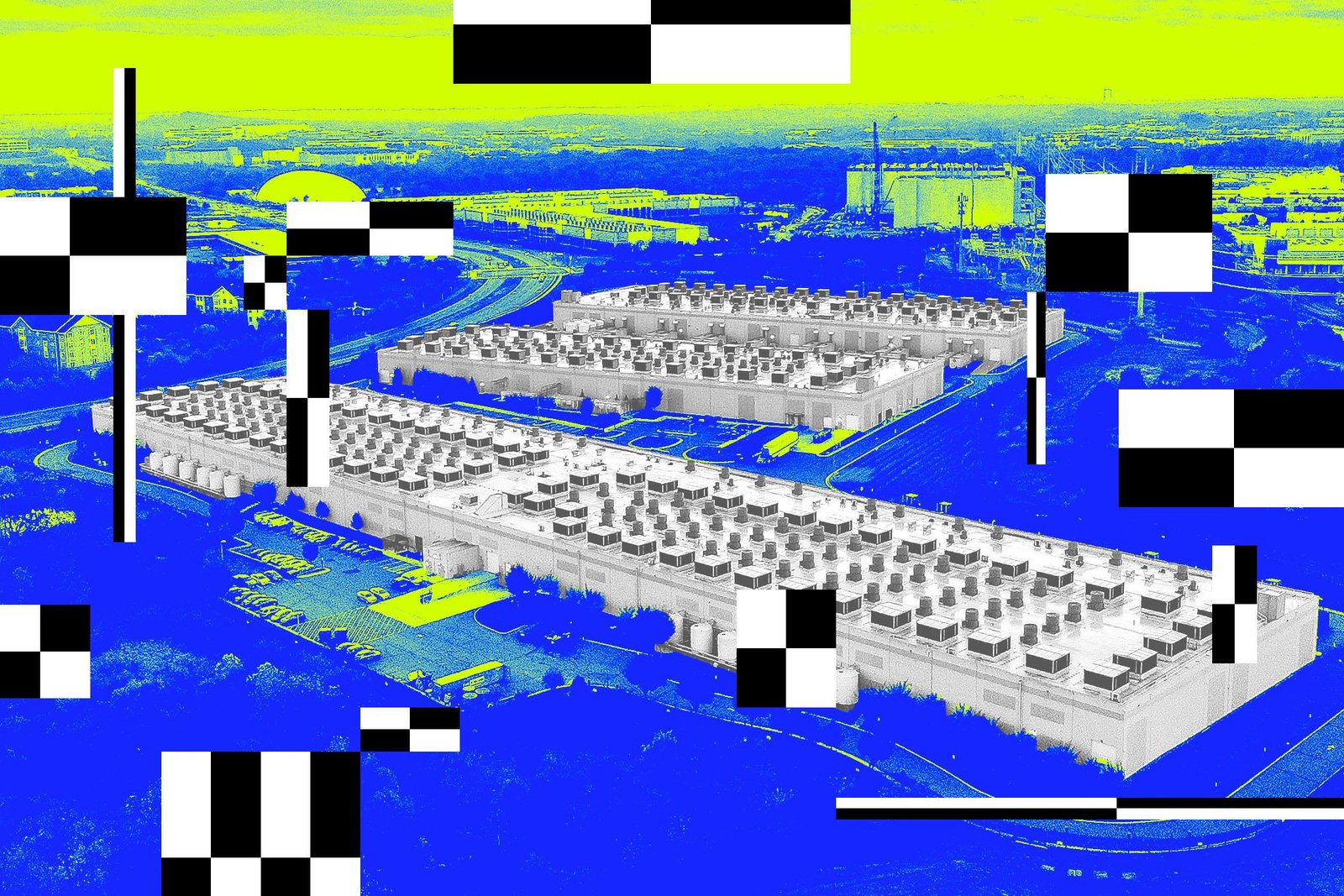
OpenAI will stop asking public officials to sign non-disclosure agreements. The change landed one day after voters pushed back on data center expansion in the midterms.
The company announced new community commitments on Thursday. The headline item is the NDA reversal. OpenAI says it will now allow only “narrow protections covering legitimate security information, trade secrets, or proprietary or competitively sensitive information.”
That is a real shift. Data center developers have used NDAs to keep talks with local governments quiet. The practice drew criticism because residents could not see what their councils were negotiating. Amazon made a similar move in October, saying it would no longer use NDAs with government agencies on data center projects.
OpenAI went further on money and transparency. It promised to pay “the full cost” of the electricity its sites use. That covers the power itself and the infrastructure needed to deliver it. The company also said it would publish the jobs it expects to create and report on hiring.
Every future “compute campus” will get a local compact. OpenAI is using that phrase instead of data centers. Each compact will include the commitments and reflect local priorities, according to the company.
The timing is not subtle. OpenAI published the commitments one day after the midterms. The Verge covered the results under a blunt headline: data centers lost the midterms.
Cheap power has been the engine of the AI buildout. Data centers need enormous amounts of electricity. They also need water and land close to transmission lines. When those costs land on local bills, voters notice.
OpenAI’s commitments answer the loudest complaints. Paying for grid upgrades tackles the cost argument. Publishing hiring plans tackles the jobs argument. Dropping NDAs tackles the secrecy argument.
None of that changes the physical footprint. A compute campus still draws gigawatts and still changes a skyline. A local compact does not reduce load, and OpenAI has not said it will shrink projects.
The bigger question is whether other builders follow. Microsoft, Meta, Google, and Amazon are all expanding capacity. Amazon moved first on NDAs. OpenAI is now the second major player to step back.
For local officials, the practical effect is more information. They can talk publicly about what a project means for the grid. They can show residents the promised jobs. They can ask hard questions without a lawyer in the room.
For OpenAI, the bet is political. The company needs permits, power contracts, and goodwill in hundreds of counties. Giving up silence may prove cheaper than fighting every council election.
Source: OpenAI is stepping back from NDAs for data center projects — The Verge, November 6, 2026.
Related: Qualcomm Bets on Data Centers as Smartphone Sales Fall 20 Percent
The Netherlands, for internationals
One email a week: the week's news for internationals in the Netherlands, new practical guides and what changed in the cities. No spam, unsubscribe any time.