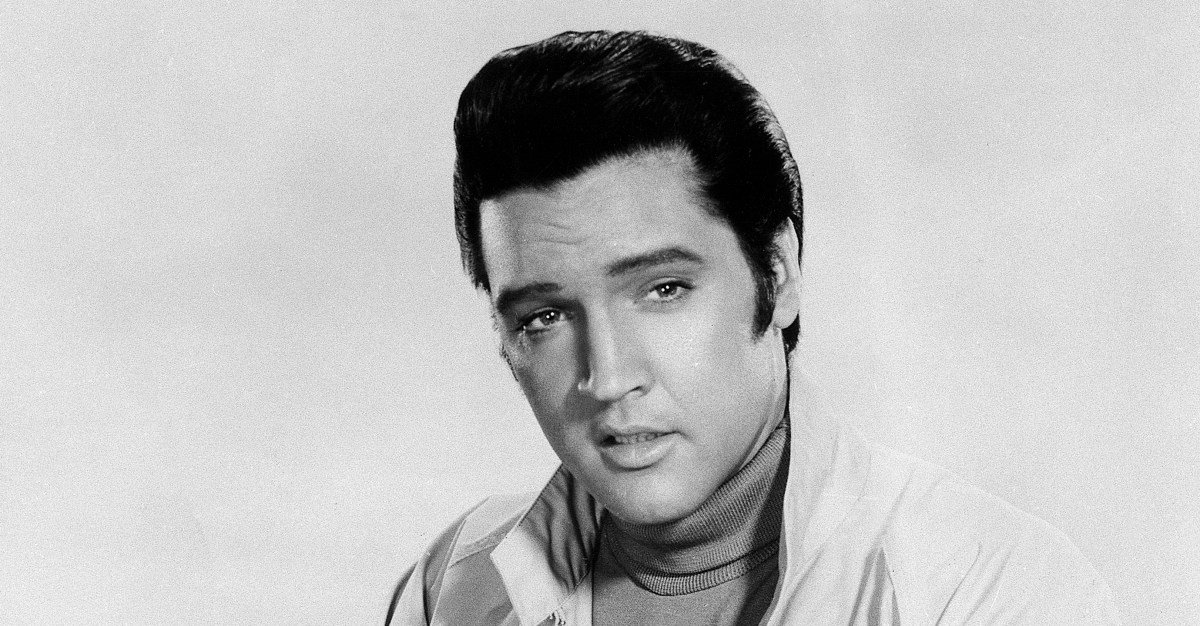
Suno is facing two more lawsuits over AI-generated music. Rights holders for Elvis Presley’s catalog and the publisher behind several Eminem records filed separate complaints. Both argue that Suno’s models reproduce the sound of specific artists without permission.
The Presley complaint leans on Tennessee’s Ensuring Likeness Voice and Image Security Act. That 2024 law, known as the ELVIS Act, makes it illegal to clone a singer’s voice with AI. The suit claims Suno can generate new material that mimics Presley’s voice and style.
Lawyers for the estate did not hold back in the filing. They wrote that “Suno has mechanically encoded itself with artists’ identities, hard-work, creativity, and time.” The complaint says the company turned those qualities into “a consistent conveyor belt of cold hard cash.”
Another passage argues that Suno’s “ravenous race to the bottom aims to make human creativity obsolete.” It says the service replicates in seconds what takes musicians years to learn and refine. The Eminem case follows the same theory. It targets the publisher of some of his biggest records rather than the artist himself.
Both suits mirror a September case from Jason Isbell and other musicians. Those plaintiffs also skipped a direct copyright claim. Instead, they argued that Suno’s output imitates named performers. That route avoids an early fight over whether training on copyrighted songs counts as fair use.
Suno pushed back. Spokesperson Cat McCormack told The Verge that the company exists “to help people create new, original music.” She said Suno forbids unauthorized use of an artist’s work. The company blocks prompts that name specific artists or songs, she added. It also screens uploaded audio and lyrics with third-party tools.
The new filings add to a growing pile. Sony Music and Universal Music Group sued Suno earlier. Reservoir Media and Isbell have cases pending too. Each complaint chips away at the company’s argument that its tool is a neutral instrument.
For listeners, the practical question is what Suno can still ship. The company keeps expanding its studio tools, including MIDI support and chatbot features in Suno Studio 2.0. Every new capability raises the odds that a rights holder finds a track that sounds too familiar.
For artists, the ELVIS Act may matter more than the copyright claims. It gives performers in Tennessee a state-law tool aimed squarely at voice cloning. If the Presley estate wins, other states could copy the template. The wider debate over who owns AI-made music is far from settled.
Source: Elvis and Eminem rights holders are suing Suno (The Verge).
The Netherlands, for internationals
One email a week: the week's news for internationals in the Netherlands, new practical guides and what changed in the cities. No spam, unsubscribe any time.