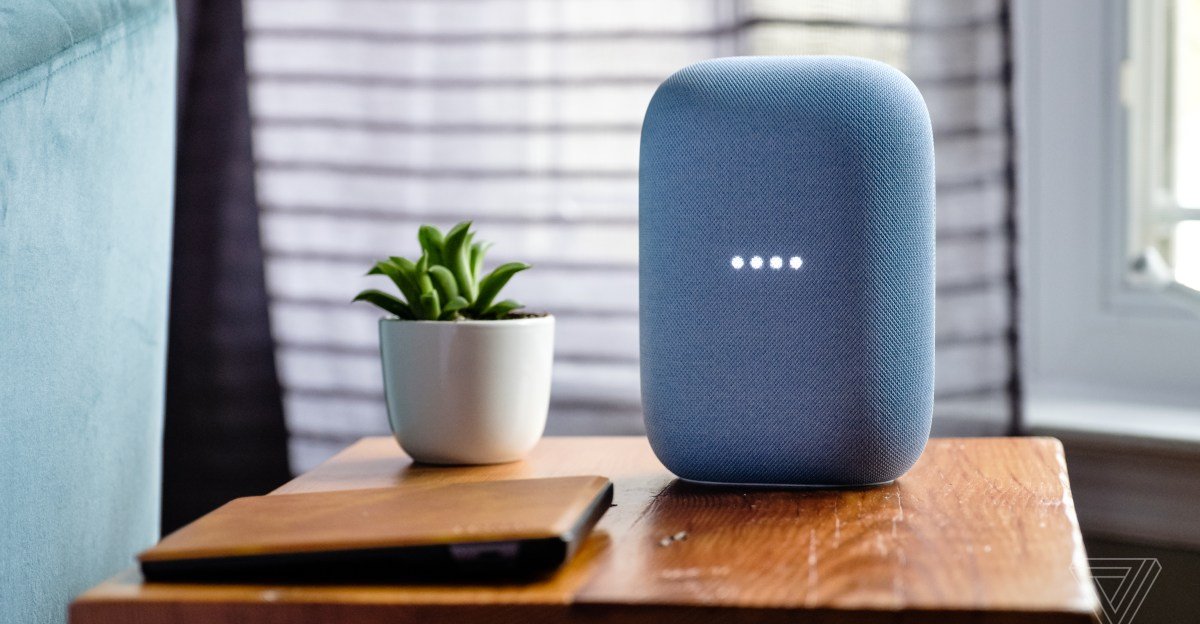
Google will shut down the Nest app on January 25th, 2027, and retire Google Assistant on its smart speakers later that year. Owners of Nest thermostats, cameras, and Nest Protect alarms will manage everything through the Google Home app instead. The company announced the changes on Thursday as part of a broad reset of its smart home software.
The Nest shutdown has a hard deadline. On January 25th, Google will move Nest devices into the Home app automatically, including camera feeds and stored video history. Anyone with a first-generation Nest Aware subscription will be shifted onto Google Home Premium without lifting a finger.
Account data follows a separate clock. Google says it will begin deleting Nest account data on March 25th, 2027, two months after the app disappears. Users who want to keep old clips or records should export them well before that date, because the deletion is not reversible.
Google Assistant lasts a bit longer. On August 2nd, 2027, Gemini for Home takes over voice control on every smart speaker and smart display. Google argues the new assistant can handle layered questions and follow natural speech, so people no longer need to memorize fixed commands.
The direction was obvious well before this week. Google announced Gemini for Home last year and already removed Assistant from its phones earlier in 2026. Speakers and displays were simply the last holdouts in the house.
For owners, the risk is friction rather than dead hardware. Speakers and cameras keep working, but routines, lists, and clips move to a different interface overnight. A household that set up cameras years ago will need everyone signed into the Home app with the right account permissions.
Google says it will share more detail before the August 2027 transition. It has not said whether older Nest speakers will receive Gemini features or lose voice control altogether.
The broader pattern is consolidation. Google spent a decade shipping overlapping apps and two competing assistants, and it is now collapsing both into one account and one voice layer. That is cleaner for Google, and a chore for anyone who built a routine around the old setup.
Smart home buyers should treat this as a warning about platform dependence. A hub that runs on a vendor’s cloud and a vendor’s assistant can change its rules whenever the vendor decides. The hardware survives the switch, but the experience you paid for does not always follow.
Source: The Verge — Google says it’s going to shut off Google Assistant on smart speakers next year.
Related reading: Apple HomeView review: a strong smart hub with awkward family sharing and Apple is hiring engineers to build its own AI agent.
The Netherlands, for internationals
One email a week: the week's news for internationals in the Netherlands, new practical guides and what changed in the cities. No spam, unsubscribe any time.