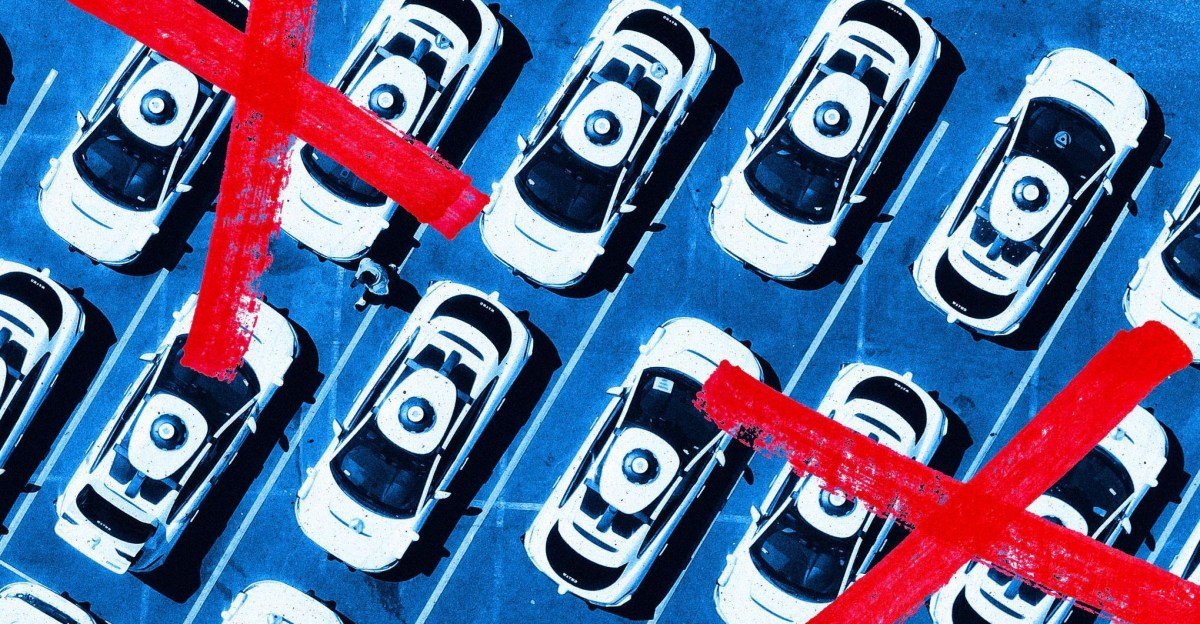
Waymo and Serve Robotics are walking away from Uber. Both companies built their early commercial plans around Uber’s apps. Now they want to sell rides and deliveries directly to the people who use them.
The split became public in stages. On a late August earnings call, Uber chief executive Dara Khosrowshahi called the Waymo partnership “very strong.” The two firms had worked together for years, including exclusively in Austin and Atlanta.
“Crapshoot” for customers
Weeks later, Waymo co-CEO Tekedra Mawakana told an interviewer the arrangement would end. She described the mixed-fleet experience as a “crapshoot” for Waymo’s own riders. A customer who opened the Uber app could not be sure a driverless car would arrive.
From January 2028, riders in Austin and Atlanta will be able to hail a Waymo directly through the Waymo app. That removes the middle layer Uber spent years building.
Serve Robotics followed a similar path. The company runs thousands of sidewalk delivery robots in dozens of US cities. It recently said it would not renew its Uber Eats partnership when the current deal expires in 2027.
The maths behind the break-up
Robotaxi and delivery firms now have their own customers, their own apps and their own brand recognition. Every booking that arrives through Uber carries a commission and hides the customer relationship. That was a fair trade when autonomy was an experiment. It looks expensive now that paying riders exist.
Uber’s counter-argument has always been demand. Its app sends millions of people looking for a trip every day, and building that audience is slow and costly. The question is whether robotaxi fleets still need that help once they operate at scale in dense cities.
Autonomy is now a real business
AI chatbots get most of the attention, but robotaxis and sidewalk bots are the ones doing physical work. Autonomy is now a commercial business, even if it is not yet a profitable one. Companies that own the vehicles and the software increasingly see an app intermediary as a cost, not a channel.
For riders, the practical effect is fragmentation. Instead of one app for every kind of trip, people may juggle Waymo, Uber, Lyft and local operators. That is good for price competition and annoying for anyone who liked the simplicity of a single tap.
For Uber, the risk is being demoted from marketplace to marketing channel. The company has spent billions to avoid that fate. Waymo’s exit from two exclusive markets shows the fight is only starting.
Source: The Verge — Why the robots are ditching Uber
Related on Mylistingo: Berlin to Wolfsburg trains get faster from December during line works.
The Netherlands, for internationals
One email a week: the week's news for internationals in the Netherlands, new practical guides and what changed in the cities. No spam, unsubscribe any time.