


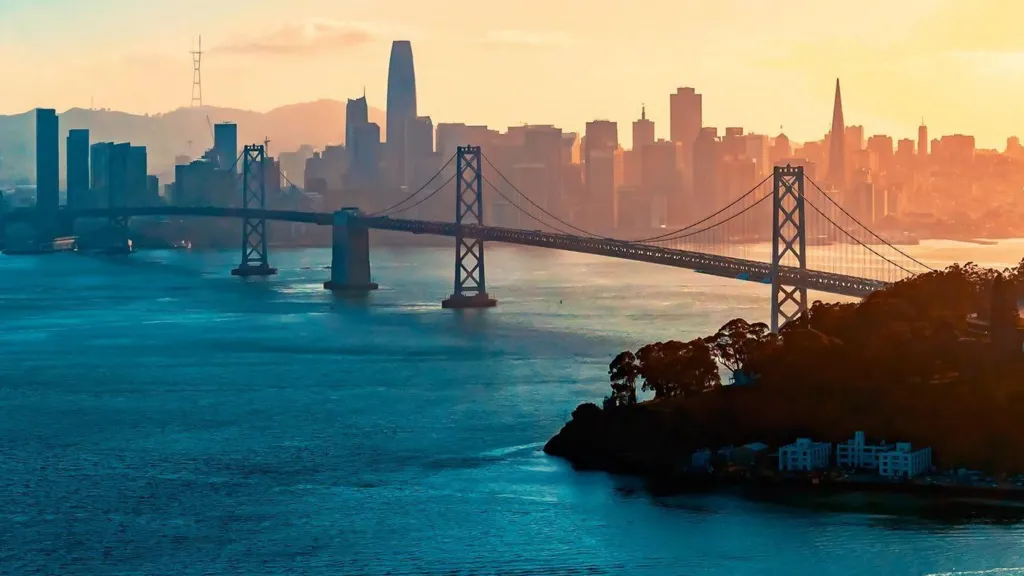
San Francisco’s downtown is busy again, and AI is the main reason. Office vacancies are falling, rents are climbing, and cryptic AI adverts cover buses and billboards.
Small businesses feel the change first. Lauren Goldboss runs a dog-walking company and has been hiring staff and buying vans. Her new office dog-walking service, Paw Perk, is popular with local AI start-ups.
OpenAI and Anthropic are both based in the city, and Anthropic listed on Nasdaq last week. Thousands of smaller AI start-ups have appeared nearby. One study found that 60% of US venture capital invested in AI firms from 2023 to 2025 went to San Francisco companies.
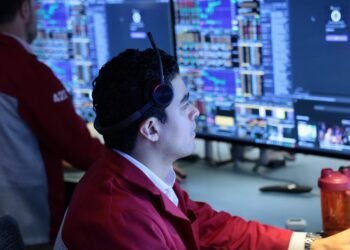
Then comes the worry. The International Monetary Fund warned last month about a possible sharp correction in AI share prices and a resulting drop in investment. The scandal around former Nvidia boss Jensen Huang added to the nervousness, though Nvidia’s quarterly profit still doubled to $65bn.
Workers in the city are split on what happens next. One AI employee, who asked not to be named, is certain a correction is coming. “I am certain that the house of cards will come down… and I’m sure it will affect me,” he told the BBC. He doubts that leading US companies can earn enough to justify their spending as cheaper, capable models arrive from China.
“In some weird way, a market correction being the worst-case outcome feels great.”
Advertisement
A second worker calls a correction “totally possible” but says his friends worry more about AI’s risk to humanity than about markets.
Economists see some buffers. AI firms employ relatively few people in the city compared with earlier tech booms. Ted Egan, San Francisco’s chief economist, says “we are not seeing tonnes of overall tech job growth.” Berkeley professor Enrico Moretti estimates the city is still about 35,000 jobs below its pre-pandemic peak. Much AI spending goes to data centres outside the Bay Area. As Moretti puts it, “San Francisco might be the brains of the AI boom, but it isn’t the brawn.”
A correction would still hurt. Moretti warns that layoffs would spill into restaurants, retail and personal services like dog walking. Office vacancies could rise again, and rents could weaken. Healthcare and tourism are growing too, which may soften the blow.
Egan expects a hiccup rather than a collapse. “The city’s economy has not been screaming during this AI boom, so I wouldn’t expect it to grind to a halt if there was a slowdown in AI spending,” he said. Chip stocks showed this week how fast sentiment turns, as we reported in our story on Nvidia’s 14 percent share drop and in our coverage of Anthropic’s maths claim.
Goldboss is not waiting for answers. She plans to “build while it is here” and adapt if the next bust arrives. In her view, that cycle is “always a reality in San Francisco.”
Source: BBC News — San Francisco is enjoying an AI boom, but worries about a crash are growing
The Netherlands, for internationals
One email a week: the week's news for internationals in the Netherlands, new practical guides and what changed in the cities. No spam, unsubscribe any time.