



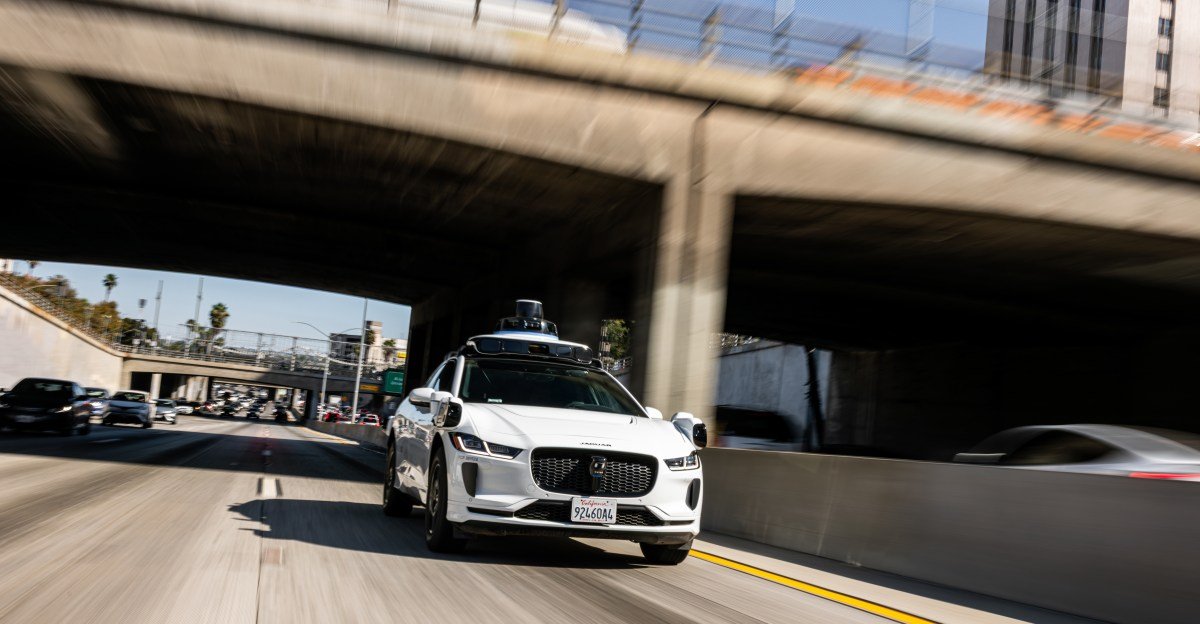
A driverless Waymo tried to pass two California Highway Patrol cruisers during a traffic break on November 6. The robotaxi was driving on Interstate 280 at the time. A human driver could lose a licence for the same move.
That incident capped a run of freeway mistakes. Last week the California DMV banned Waymo vehicles from every state interstate. The company also paused commercial freeway rides across all of its US markets.
Eleven construction-zone violations
A recall filing shows how often the cars misread the road. Between October and November 2026, Waymo reported 11 cases where a vehicle missed a construction lane closure. In each case the car drove into the restricted area anyway.
This is not the first freeway pause. Earlier this year Waymo stopped freeway rides after its cars entered active construction zones in Arizona and California. It filed a recall in June and resumed service in late July after a software update.
Engineers question the recall strategy
The June fix did not hold. Violations continued.
“The most concerning part about this is now we have a pattern for Waymo: They issue a recall, it doesn’t fix the problem, but they keep scaling up anyway.”
Advertisement
That is Phil Koopman, an emeritus professor of electrical and computer engineering at Carnegie Mellon University. He argues Waymo uses recalls as band-aids while the fleet grows.
He points to another recall filed after an intersection crash. A Waymo followed a police officer’s hand signals until passing traffic blocked its view. The software then lost the “stop” command and drove into the intersection. Waymo later updated its fleet so the cars remember manual signals.
Other recalls covered cars passing stopped school buses and driving through flooded roads. Koopman suspects the company leans on dynamic geofencing and live data feeds to route around known hazards. Those workarounds fail on situations nobody mapped.
The stakes at highway speed
City driving gives robotaxis room to fail. At 10 to 25 mph, braking solves most confusion, and crash lethality is far lower. At 60 to 70 mph, stopping distances stretch and a mistake near roadside workers is often fatal.
Waymo says its cars have not crashed or injured anyone inside restricted freeway zones. It still runs more than half a million trips weekly on surface streets. Spokesperson Chris Pappas said Waymo is working with the California DMV to resume freeway operations.
The industry once assumed freeways would be the easy part. Waymo co-CEO Dmitri Dolgov said in November 2025 that freeway driving is easy to learn but hard to master. A year later, that warning looks generous.
Regulators hold the next move. Koopman argues that traffic fines mean little to a company backed by Alphabet. He wants mandatory public disclosure instead of quiet software patches.
Waymo’s growth plans need airports and longer trips. Both need freeways. Until the DMV is satisfied, those routes stay closed. Read our earlier coverage of Waymo’s split from Uber and cities writing their own robotaxi rules.
Source: The Verge.
The Netherlands, for internationals
One email a week: the week's news for internationals in the Netherlands, new practical guides and what changed in the cities. No spam, unsubscribe any time.