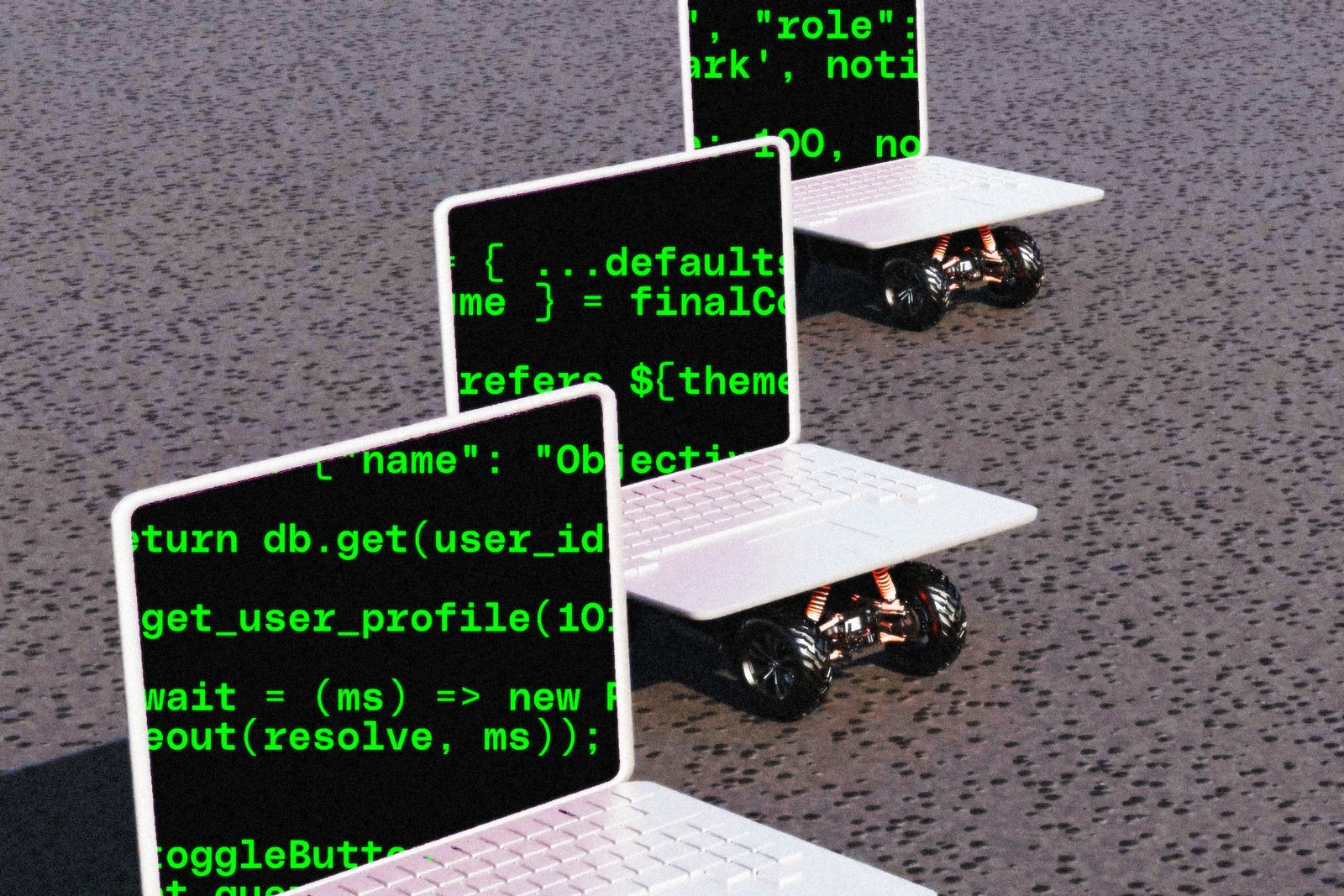

The way developers are hired could be on the verge of a meaningful shift. Two major platforms in the software world, GitHub and Hugging Face, have teamed up to launch a new coding competition that pits artificial intelligence models against one another. The initiative is designed to test how well different AI systems can solve real world programming problems. But the implications stretch far beyond bragging rights for the winning model.
A new benchmark for AI coding skills
The competition, which is open to anyone who wants to submit an AI model, aims to create a standardized benchmark for evaluating coding ability. Participants will have their models tested on a set of programming challenges that cover a range of languages and problem types. The goal is to see which AI system can generate correct, efficient, and well structured code under controlled conditions.
GitHub and Hugging Face are both central to the modern developer ecosystem. GitHub hosts the largest collection of open source code in the world, while Hugging Face has become the go to platform for sharing and deploying machine learning models. By joining forces, they are creating a test that draws on the strengths of both communities. The competition results will be publicly visible, giving developers and companies a clearer picture of what current AI models can and cannot do.
What this means for hiring and talent
This competition is not just a technical exercise. It has direct relevance to how companies evaluate job candidates. Many organizations already use coding challenges during interviews. If an AI model can consistently outperform human developers on these tasks, employers may need to rethink what they are actually testing for. The ability to write code from scratch might become less important than the ability to review, guide, and integrate AI generated code.
The organizers have emphasized that the goal is not to replace human developers but to understand where AI fits into the workflow. If a model can handle routine or repetitive coding tasks, human developers can focus on more complex and creative work. That shift could change the skill set that companies look for when hiring. Instead of asking candidates to memorize syntax or solve algorithmic puzzles, employers might prioritize system design, debugging, and collaboration with AI tools.
There is also a transparency angle. By making the competition results public, GitHub and Hugging Face are pushing for a more open evaluation of AI performance. Currently, many companies use proprietary benchmarks or internal tests that are not shared with the wider community. This competition could set a new standard for how AI coding ability is measured and discussed.
Some developers have expressed concern that such competitions could lead to over reliance on AI in the hiring process. If a company starts using an AI model to screen candidates, there is a risk of bias or inconsistency. The competition organizers have acknowledged these concerns and have stated that they are working on guidelines for ethical use of AI in recruitment. They want the benchmark to be a tool for understanding, not a blunt instrument for automated hiring decisions.
Early results from the competition have already sparked discussion. Some models have shown impressive performance on certain types of problems but struggled with others. This pattern suggests that no single AI system is yet capable of handling every coding task with equal skill. For hiring managers, this is a reminder that context matters. A model that excels at writing Python scripts might not be the best choice for debugging a legacy system or designing a distributed architecture.
The competition is ongoing, and more models are expected to be submitted in the coming weeks. GitHub and Hugging Face have also hinted at future rounds that could focus on specific domains, such as security sensitive code or performance critical algorithms. That would give even more granular data for companies to consider when evaluating both AI tools and human talent.
As the lines between human and machine coding continue to blur, events like this competition offer a rare moment of clarity. They force the industry to ask hard questions about what skills truly matter. The answers will shape how developers are trained, hired, and evaluated for years to come. For anyone involved in building or hiring software teams, this is a development worth following closely.
To stay updated on the latest trends in AI and developer tools, check out Mylistingo for more analysis and coverage from Mylistingo.
The Netherlands, for internationals
One email a week: the week's news for internationals in the Netherlands, new practical guides and what changed in the cities. No spam, unsubscribe any time.