Amsterdam Launches Drone Delivery Pilot Programme for Medical Supplies
Amsterdam has joined the growing list of European cities experimenting with autonomous drone delivery, launching a six-month pilot programme focused on transporting medical supplies between hospitals and laboratories. Starting in August 2026, specially designed delivery drones will ferry blood samples, pathology specimens, and urgent medications across dedicated air corridors connecting Amsterdam UMC, the Netherlands Cancer Institute, and Sanquin blood bank.
The programme, approved by the Dutch Ministry of Infrastructure and Water Management and coordinated by Amsterdam Drone Lab, aims to cut transport times for time-sensitive medical cargo from an average of 45 minutes by road to under 12 minutes by air. For certain diagnostic tests — where sample degradation begins within an hour — the time savings could have direct clinical implications.

“A blood sample that arrives 30 minutes faster means a patient gets their diagnosis 30 minutes faster, and treatment can begin sooner,” explains Dr. Lisette van der Meer, medical director at Amsterdam UMC. “In healthcare, minutes matter. Drone delivery is not a novelty — it’s a genuine improvement in our logistics chain.”
Safety and Public Acceptance
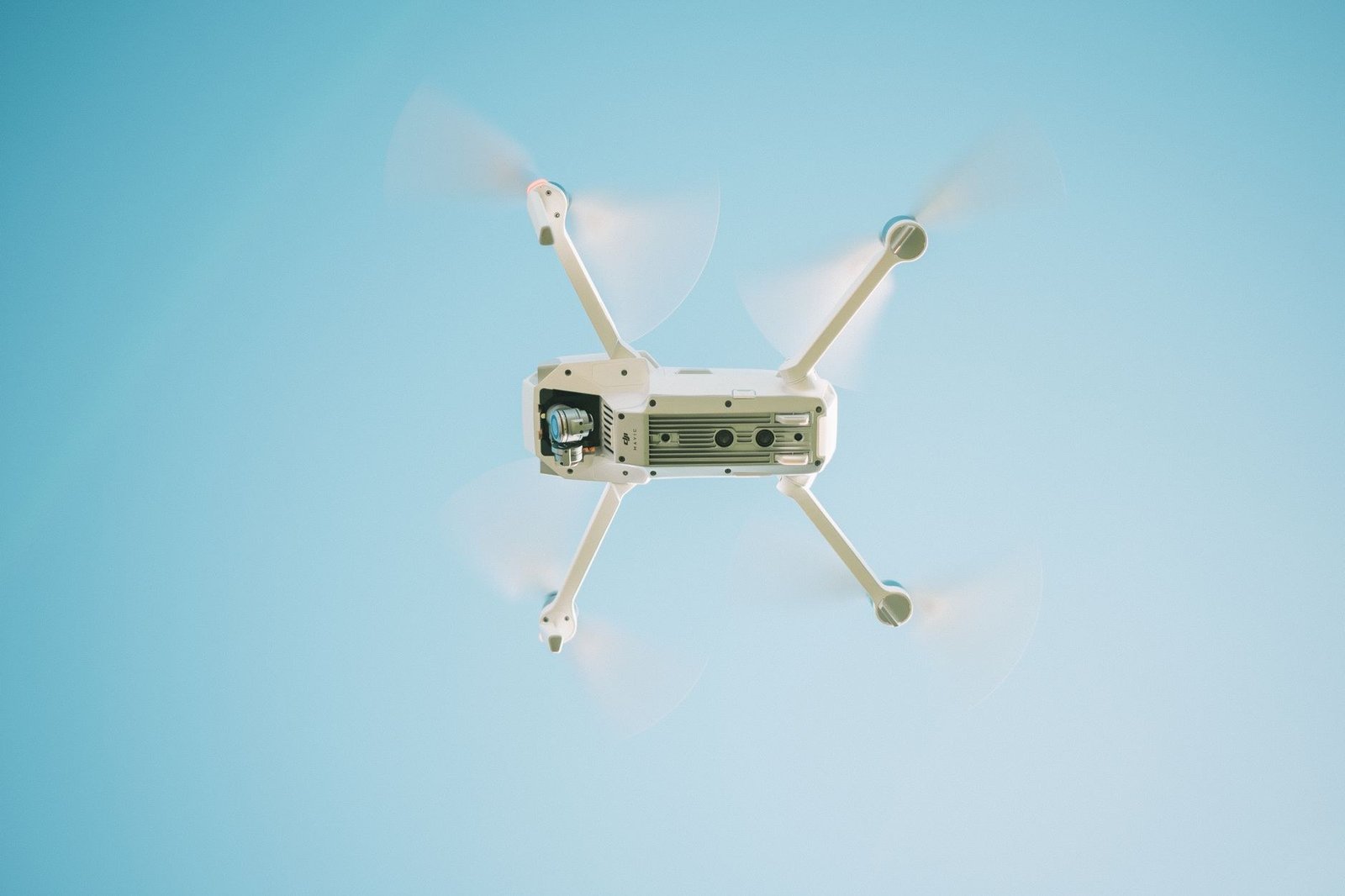
The drones, manufactured by Dutch company Avy, are fixed-wing VTOL (vertical take-off and landing) aircraft designed specifically for medical logistics. They cruise at an altitude of 120 metres along pre-approved routes that avoid residential areas, and are equipped with parachute recovery systems, redundant navigation, and real-time telemetry monitored from a ground control centre at Amsterdam Science Park.
Public acceptance, often a hurdle for urban drone programmes, has been relatively positive in Amsterdam. The city conducted extensive community consultations and published noise measurements — the Avy drones produce approximately 55 decibels at ground level, comparable to a quiet conversation. An opt-out system allows residents along the flight paths to receive real-time notifications when drones pass nearby.
Scaling Beyond Medical Logistics
If the medical pilot succeeds, Amsterdam plans to expand drone delivery to other sectors in 2027, including pharmacy prescriptions for elderly residents, laboratory sample transport between research facilities, and — eventually — urgent commercial deliveries. The city is already in discussions with several Dutch e-commerce companies interested in using the air corridors for sustainable last-mile delivery.
The programme also positions Amsterdam as a testbed for Europe’s emerging drone regulations. The European Union Aviation Safety Agency (EASA) is watching the pilot closely as it develops continent-wide rules for beyond visual line of sight (BVLOS) drone operations — rules that will shape a market projected to reach €15 billion in Europe by 2030. For Amsterdam, the medical drone programme is both a practical improvement to healthcare logistics and a strategic bet on the future of urban aviation.

The Hague, for internationals
One email a week: what changed for internationals in The Hague, the week's news from the Netherlands, and one guide worth reading. No spam, unsubscribe any time.