The BBC’s Blue Planet III deliberately includes cloudier, less polished underwater footage so that viewers can trust that what they see is real, according to its producers. The Guardian reports that the David Attenborough-narrated series uses no generative AI at all and starts on Sunday 1 November on BBC One and iPlayer.
What happened
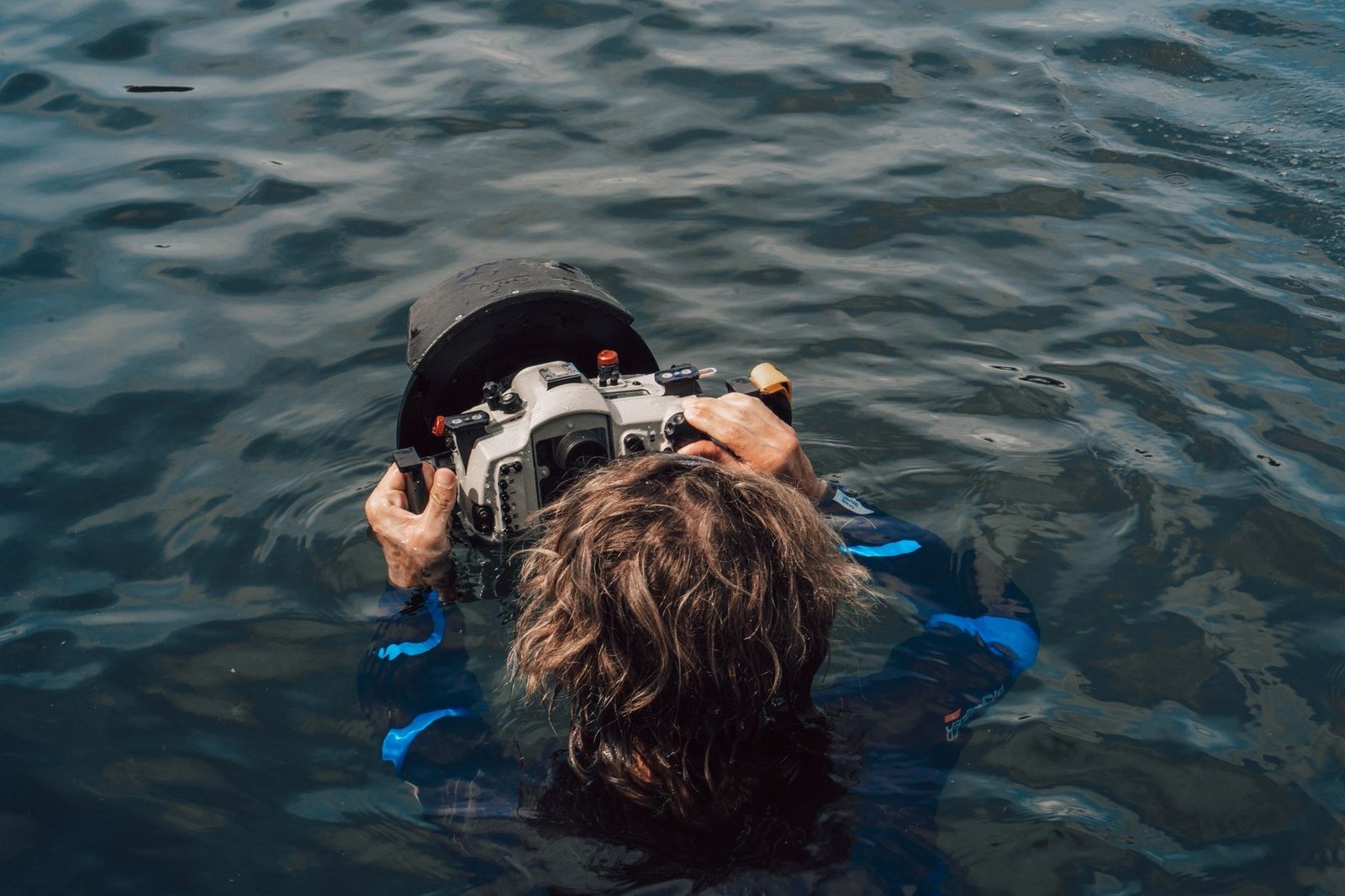
Blue Planet III arrives nearly a decade after Blue Planet II drew attention to plastic pollution, and 25 years after the first Blue Planet aired. According to The Guardian, the series was filmed over four years across five oceans by the natural history unit at BBC Studios. It brings new animal behaviour to the screen and uses new filming technology, including what the producers describe as the world’s first underwater CCTV camera, nicknamed the “stonefish” cam.
Television pictures have become steadily sharper and more detailed since the first series. The producers told The Guardian that two things led them to change course this time: the rise of AI, and how extraordinary some of the creatures and sequences they filmed turned out to be. Their answer was to keep in more “organic” and less polished shots, so that it is clear the animals were not generated by AI.
The executive producer, Elizabeth White, said AI “makes us want to be even more authentic”. She added that the creatures filmed in the deep ocean “are probably more remarkable than AI could imagine and it’s completely real”. In past series, White explained, sequences with a lot of plankton in the water might have been dropped, and the team “might have framed out a boat or a buoy” or decided the water conditions were not good enough. Those details are now being left in. “As AI booms we will probably lean more into the more organic,” she said.
At a press screening, the BBC’s head of specialist factual commissioning, Jack Bootle, made what The Guardian describes as a first-time assurance to journalists: “No gen AI was used in this series. Not a single frame. It’s all real photography.” Bootle also said that in a “golden age of natural history-making” some viewers feel they have seen it all before, and that the new series is “bursting with novel behaviour”.
The Guardian lists several of the sequences:
- dolphins using sea sponges to block holes in coral and trap fish, filmed with the underwater CCTV system developed by producer and director Yoland Bosiger
- grouper communicating with another species of fish
- 200,000 crabs lining up in formation to feed
- sea urchins using shells as sun hats
- a penguin sequence that echoes the “iguana v snakes” scene from Planet Earth II
The series producer, Lara Bickerton, said the team “continually innovated”. They built a “mini-dome” camera to follow an octopus and a “deep-sea selfie stick”, had camera operators wear leg-mounted scooters to capture immersive, TikTok-style diving footage, and used lasers to film creatures in the deep sea.
The series also covers the threats facing the ocean and its ability to recover. White said one episode shows how warmer seas caused by the climate crisis are killing the sea anemones that clownfish live in, and how the fish try to repair their homes. The plastics story from Blue Planet II carries on with a look at pollutants and forever chemicals. Bosiger said Attenborough, who is 100, was “very much involved” and made changes to the scripts.
Why it matters if you live in United Kingdom
If you live in the UK, the first and most practical point is how to watch. The Guardian reports that Blue Planet III starts on Sunday 1 November on BBC One and will also be on iPlayer.
The second point is about trust. As more AI-generated video circulates online, it is getting harder to tell real footage from synthetic footage. In this case, a major British broadcaster has said publicly, through its commissioning head, that not a single frame of a flagship series was made with generative AI. The producers have also explained that visible imperfections, such as murky water, floating plankton or a boat at the edge of the frame, are being kept in on purpose as signs that the footage is genuine. For viewers, this gives a useful way to think about what “real” can look like on screen: sometimes it is less polished, not more.
The third point concerns the BBC’s finances, which affect everyone who follows its output. When asked whether the BBC’s £500m cost-cutting drive would affect the reputation of BBC Studios’ natural history work, White said she could not comment. She did point out that Blue Planet III saved money by using more local crews on location than earlier series had.
What to watch next
The obvious next step is the launch on 1 November, when audiences can see whether the rougher, more natural look works for them. White’s comment that the team will “probably lean more into the more organic” as AI grows suggests this may become a lasting approach for BBC natural history programmes, not a one-off for this series.
It is also worth watching whether other broadcasters and producers start making similar public promises about not using AI, as Bootle did. Finally, the £500m savings drive is still under way, and White would not say how it might affect future natural history productions, so the scale and staffing of the next big series is an open question.
Source: The Guardian
Sources
- The Guardian: Blue Planet III features cloudier footage to prove authenticity amid AI boom, accessed 25 October 2026
The UK, for internationals
One email a week: the week's news for internationals in the UK, new practical guides and what changed in the cities. No spam, unsubscribe any time.