Firmus Technologies, an Australian AI datacentre company, has scrapped what was set to be the largest stock market listing in Australia for decades, The Guardian reports. Investors did not buy enough shares to support the planned float on the Australian Securities Exchange (ASX), so the company will now try to raise money privately.
What happened
According to The Guardian, Firmus had expected a valuation of $44bn and planned to sell shares at $11 each. That would have made it the biggest debut on the ASX since the telecommunications company Telstra in 1997. Five brokers were helping the company raise $7bn from investors, and shares were due to start trading on 23 October.
The plan began to fall apart midweek. The Guardian reports that it became clear the company’s bankers had greatly overestimated demand. One investment manager briefed on the matter told the paper this led to talks about a heavy cut to the $11 offer price. In the end, Firmus withdrew its application to list on the ASX altogether.
A Firmus spokesperson said the board had decided that going ahead with the offer was no longer in the best interests of the company and its shareholders. “Firmus will now pursue capital from the private markets and consider alternative public and private market options,” the spokesperson said on Friday morning, adding that shareholders would receive more information as those options progressed.
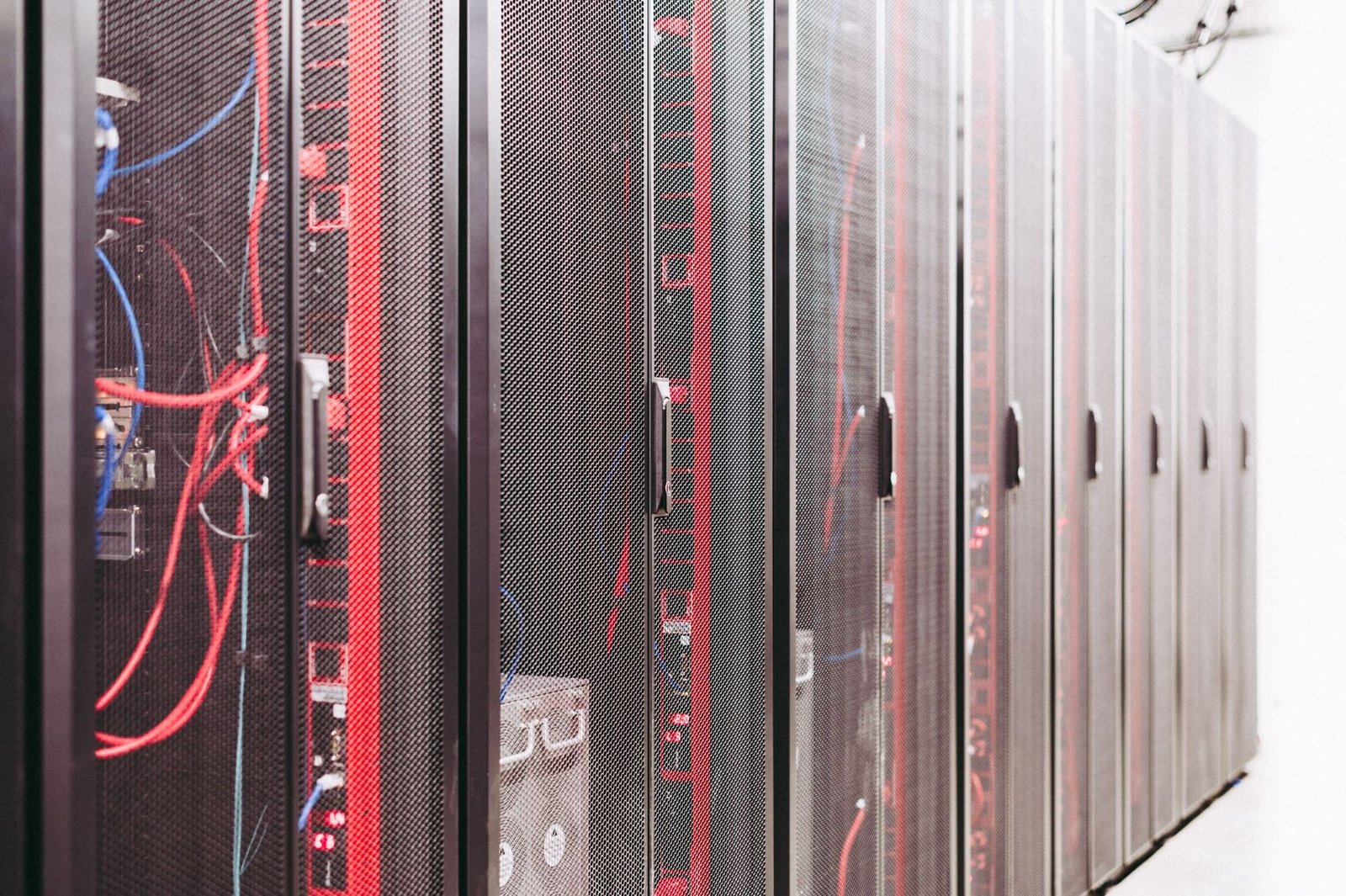
The company had strong backing. The Guardian names the chip maker Nvidia and the Wall Street firms Blackstone, Jane Street and Coatue among its supporters. Even so, the paper reports growing doubt about the size of the valuation and the earnings forecasts for a startup with just two small operational sites. Firmus wants to build liquid-cooled “AI factories” in Australia and across Asia, and it now needs private investors to pay for them.
The trouble has spread beyond Firmus. Shares in Maas Group, one of its investors, fell more than 20% on Thursday, according to The Guardian. The paper also says the expected wealth of the three founders, Oliver Curtis, his cousin Tim Rosenfield, and Curtis’s former brother-in-law Jonathan Levee, will now be much lower.
A major partnership collapsed in the same week. The veteran datacentre operator CDC ended Project Southgate, a deal with Firmus that The Guardian says was presented as worth $73bn. The project, first announced in October last year, aimed to build sovereign, renewable-powered AI infrastructure and named Nvidia as its first customer. Speaking to a federal parliamentary committee on AI on Friday, CDC’s chief strategy officer, Dr Jack Dan, said the deal began when Firmus was focused “a lot more on Australia and creating sovereign AI capability in Australia.” He said Firmus’s business model had since changed, and “when things start diverging significantly from that, we continue to follow our core mission.”
Why it matters if you live in United Kingdom
The Guardian’s report covers Australia, and it does not describe any direct effect on people or businesses in the United Kingdom. Even so, the story raises points that matter to anyone in Britain who saves, invests or follows the technology sector.
- Retail investors and stock market floats. Guardian Australia had already reported concern that early Firmus investors planned to use members of the public who bought into the float as their “exit strategy”. That would have left small investors exposed if the excitement faded. If you are thinking about buying shares in a new listing anywhere, including through a UK investment app, it helps to check who is selling and why.
- The AI datacentre boom. Firmus had support from some of the best-known names in technology and finance, yet the market still turned against its valuation. The Guardian’s account shows investors looking harder at AI infrastructure companies with high price tags and a short trading history.
- Global names involved. Nvidia, Blackstone, Jane Street and Coatue all operate internationally. The Guardian does not report any financial impact on them, but their involvement shows how closely linked AI investment has become across markets.
What to watch next
Firmus has said it will look for money from private markets and consider “alternative public and private market options”. It has promised shareholders more detail as those plans develop. Whether it can raise private funding on terms close to its hoped-for valuation will be the next test.
The fallout for other companies is also worth watching. Maas Group’s share price fall suggests investors linked to Firmus may face more pressure. In Canberra, the parliamentary committee on AI is already hearing evidence on datacentres. Dr Dan of CDC told the hearing that until last year “no one really cared” about his company, and that datacentres are now at the centre of national debate in Australia.
For readers in the UK, the main lesson concerns AI infrastructure valuations more broadly. A company backed by Nvidia and major Wall Street firms could not attract enough buyers at its asking price. Future AI listings elsewhere are likely to face the same questions about earnings, scale and who carries the risk.
Source: The Guardian
Sources
- The Guardian: Firmus pulls biggest ASX float since Telstra amid investor doubt about datacentre company, accessed 10 October 2026
The UK, for internationals
One email a week: the week's news for internationals in the UK, new practical guides and what changed in the cities. No spam, unsubscribe any time.