Google’s search engine is undergoing its most dramatic transformation in two decades as AI-powered overviews reshape how billions of people find information online. The shift, accelerated by competition from AI chatbots like ChatGPT and Perplexity, is changing the fundamental economics of the web and forcing publishers to rethink their digital strategies.
AI Overviews Become the Default
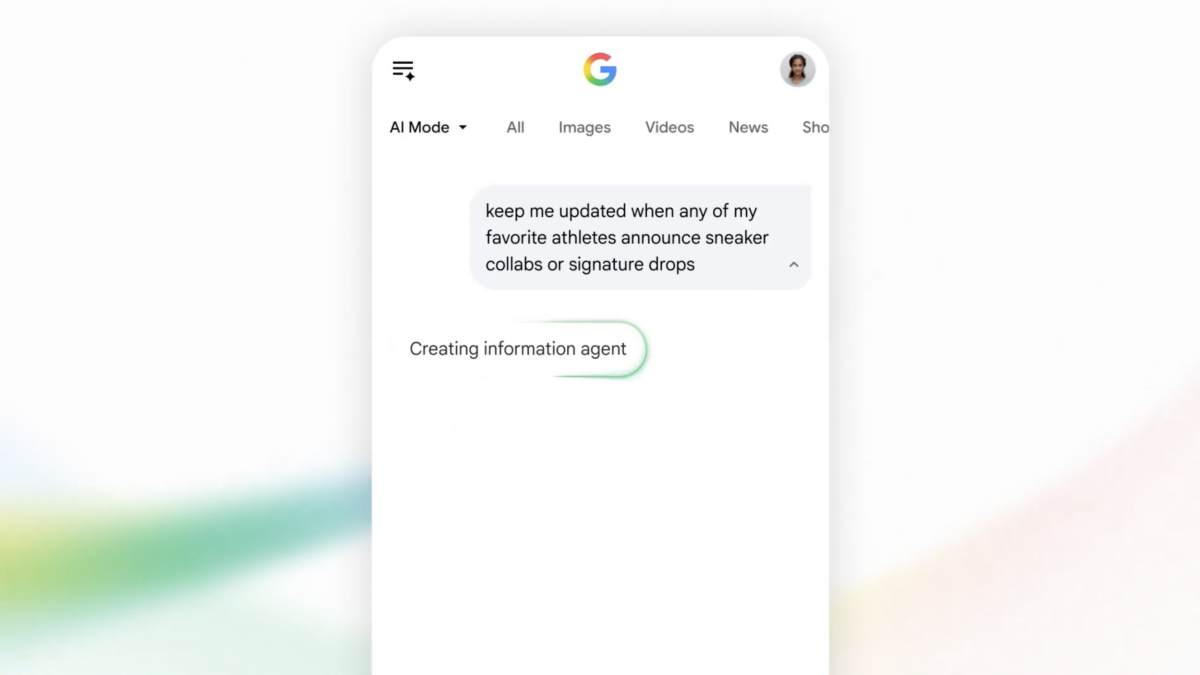
As of mid-2026, Google’s AI Overviews — the generative AI summaries that appear at the top of search results — have become the default experience for the majority of queries in English, Dutch, and several other European languages. These AI-generated answers synthesise information from multiple sources, often answering a user’s question without requiring them to click through to any individual website.
Google reports that user satisfaction with search results has improved, with internal metrics showing a 23% increase in query resolution on the first page. The AI overviews now incorporate real-time data, shopping comparisons, and even interactive elements like flight booking widgets directly within the search interface.
Publisher Fallout
The transformation hasn’t been without controversy. Digital publishers, already struggling with declining referral traffic, are seeing organic search visits drop by an estimated 30-45% in sectors where AI overviews are most prominent. Media organisations, recipe sites, and how-to guide publishers have been hit hardest.
Several European publishers have filed complaints with the European Commission, arguing that Google’s AI summaries effectively republish their content without adequate compensation. The Commission is monitoring the situation under the framework of the Digital Markets Act, which already designates Google Search as a core platform service subject to fair dealing obligations.
New Search Behaviours
Search behaviour is evolving rapidly. Users are increasingly typing conversational queries rather than keyword fragments, treating Google more like a dialogue partner than a directory. “People now ask Google complete questions — ‘what’s the best electric car I can buy in the Netherlands under €40,000’ — rather than typing ‘best EV Netherlands 40000’,” says Martijn de Vries, a digital marketing consultant based in Amsterdam.
This shift has implications for SEO strategies, content creation, and digital advertising. Brands that optimise for structured, factual content that AI systems can reliably cite are seeing better visibility in AI overviews, while those relying on traditional keyword strategies are losing ground.
Google continues to refine the balance between AI-generated answers and traditional blue links, with recent updates adding more prominent source attribution and “deep dive” links within AI overviews. The company maintains that the changes ultimately benefit users by providing faster, more accurate answers.
The Netherlands, for internationals
One email a week: the week's news for internationals in the Netherlands, new practical guides and what changed in the cities. No spam, unsubscribe any time.