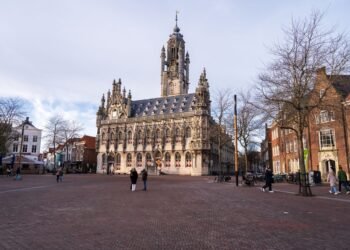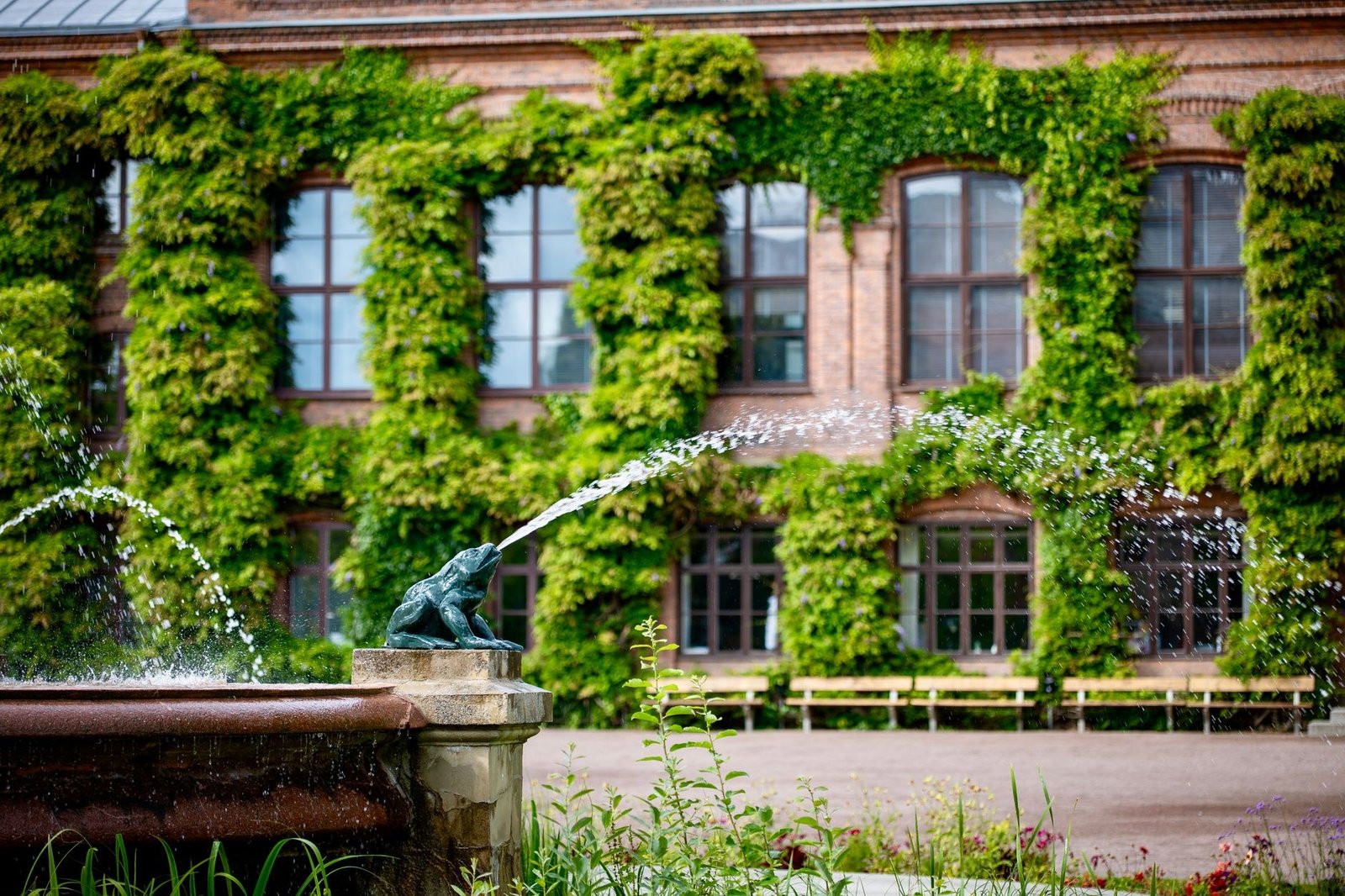
Beyond the grand boulevards and stately government buildings, The Hague hides a secret world of peaceful courtyards, historic almshouses, and hidden gardens. These “hofjes” — a uniquely Dutch architectural tradition — offer a glimpse into the city’s quieter, more intimate side. Here are the hidden courtyards of The Hague that every visitor (and many locals) should discover.
What Are Hofjes?
Hofjes are historic courtyard complexes, originally built as almshouses by wealthy merchants and nobles for poor widows and elderly people. Built between the 17th and 19th centuries, these secluded squares are surrounded by small houses and accessed through a single gate from the street. Today, many still serve as residences, making them living pieces of Dutch history.
1. Hofje van Nieuwkoop
Hidden behind an unassuming gate on the Prinsessegracht, the Hofje van Nieuwkoop is one of The Hague’s oldest and most beautiful hofjes, dating back to 1658. Step through the gate and you’ll find yourself in a perfectly preserved 17th-century world — immaculate gardens, neatly trimmed hedges, and the soft sound of a central fountain. The contrast between the busy street outside and the serenity within is almost magical.
2. Hofje van Wouw
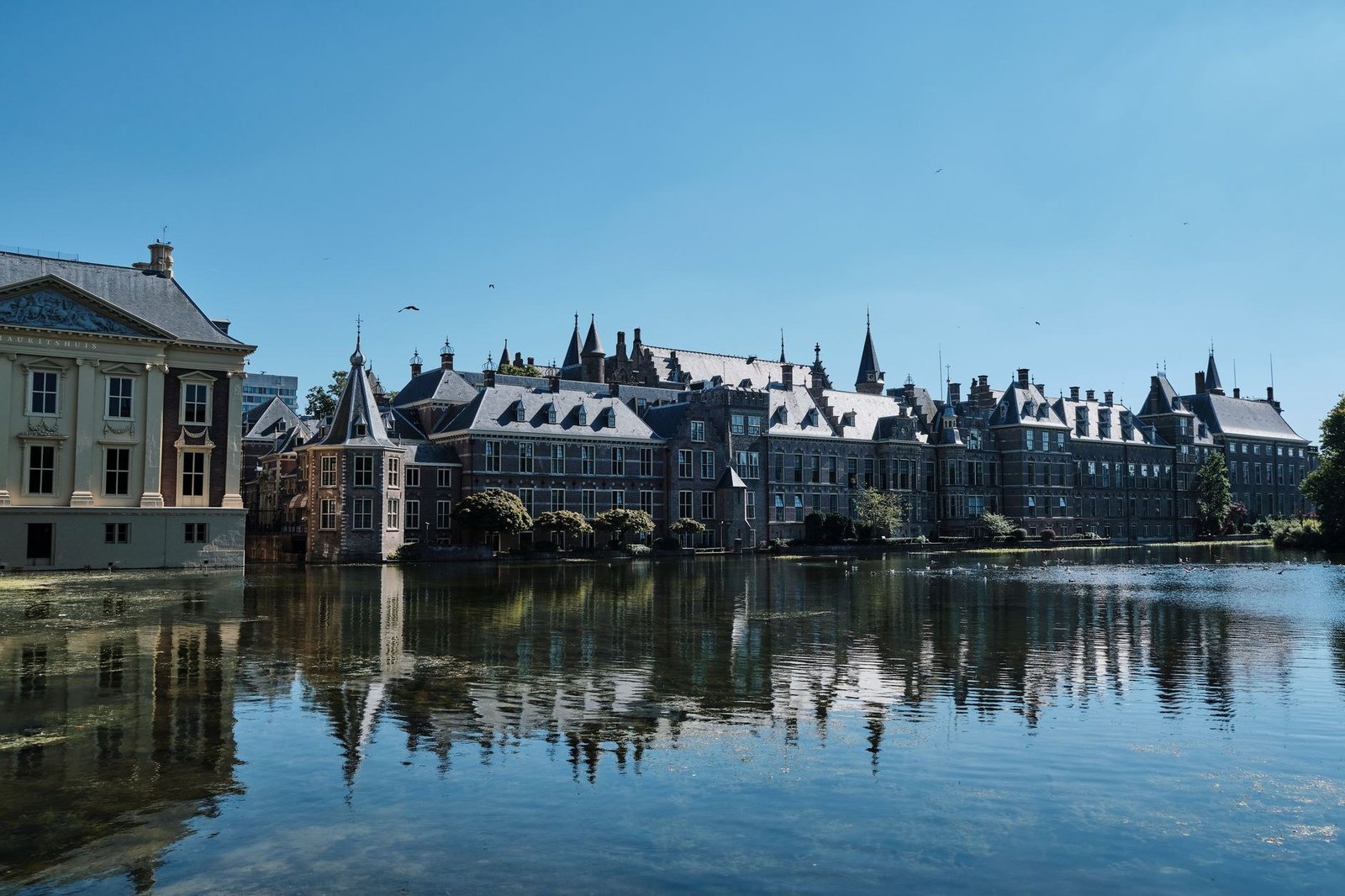
Tucked away on the Lange Beestenmarkt, the Hofje van Wouw was founded in 1647 by Cornelia van Wouw. This charming courtyard features a well-manicured garden with colorful flower beds and ancient trees. The small houses surrounding the courtyard still have their original brick facades. It’s a photographer’s dream, especially in spring when the tulips are in bloom.
3. Rusthofje
Located on the Parkstraat near the city center, the Rusthofje (literally “Rest Courtyard”) lives up to its name. This 18th-century hofje is one of the largest in The Hague and features a beautiful central garden with winding paths, benches, and mature trees. Despite being just steps from the bustling shopping streets, it feels worlds away.
4. Hofje van Oorschot
This lesser-known gem on the Dunne Bierkade offers a delightful surprise. Built in 1828, the Hofje van Oorschot combines classic Dutch hofje architecture with a slightly more open layout. The courtyard features a lovely garden with climbing roses and ivy-covered walls, making it particularly photogenic in summer.
5. The Passage — A Different Kind of Hidden Space
While not a traditional hofje, The Passage (De Passage) deserves mention as one of The Hague’s most beautiful covered shopping arcades. Built in 1885, this stunning glass-roofed gallery connects Spuistraat to Buitenhof and features elegant architecture that rivals anything in Milan or Paris. Grab a coffee at one of the arcade cafes and admire the detailed ironwork above.
Tips for Visiting Hofjes
- Respect the residents — most hofjes are still inhabited. Keep your voice down and don’t peer into windows.
- Visit during the day — gates are typically open during daylight hours.
- Bring a camera — but avoid photographing residents directly.
- Best time to visit — spring and early summer when gardens are in full bloom.
The hofjes of The Hague are one of the city’s best-kept secrets. In a city known for international institutions and modern architecture, these hidden courtyards offer a peaceful connection to the Netherlands’ rich cultural heritage. Next time you’re walking through the city center, keep an eye out for those small, unassuming gates — you never know what hidden world awaits behind them.
The Hague, for internationals
One email a week: what changed for internationals in The Hague, the week's news from the Netherlands, and one guide worth reading. No spam, unsubscribe any time.