This guide is for internationals and students renting a room, studio or apartment in Utrecht who want to understand their rights as tenants. After reading it, you will be able to check a rental address, recognise common myths about tenancy protection, and know which organisation to contact when a landlord problem comes up.
- Check the rental address before you sign
- Common misconceptions about tenancy protection
- Rent, service charges and local taxes
- Warning signs of a bad landlord
- How to build your case
- Where to get help
- FAQ
Check the rental address before you sign
The gemeente Utrecht publishes a list of rental addresses that are not in order. These are addresses where the municipality has found problems such as overdue maintenance or illegal letting. The municipality publishes them to protect tenants and to encourage landlords to follow the rules, so that home seekers can check whether they are dealing with a reliable landlord.
The list sets out enforcement decisions for each address. They include penalty payment orders (last onder dwangsom) and administrative fines (bestuurlijke boete), often because a house was converted into rooms for rent without the required conversion and environmental permits. One entry describes inspectors finding a drain that had been deliberately blocked, which created an unhealthy and unsafe situation. The municipality repaired it at the owner’s expense.
Keep one point in mind: if an address is not on the list, that does not guarantee the landlord is a good one. Use the list as one check among several. For questions about the list, the page gives the phone number 14 030 and the email address VTHMBOndersteun@utrecht.nl.
Common misconceptions about tenancy protection
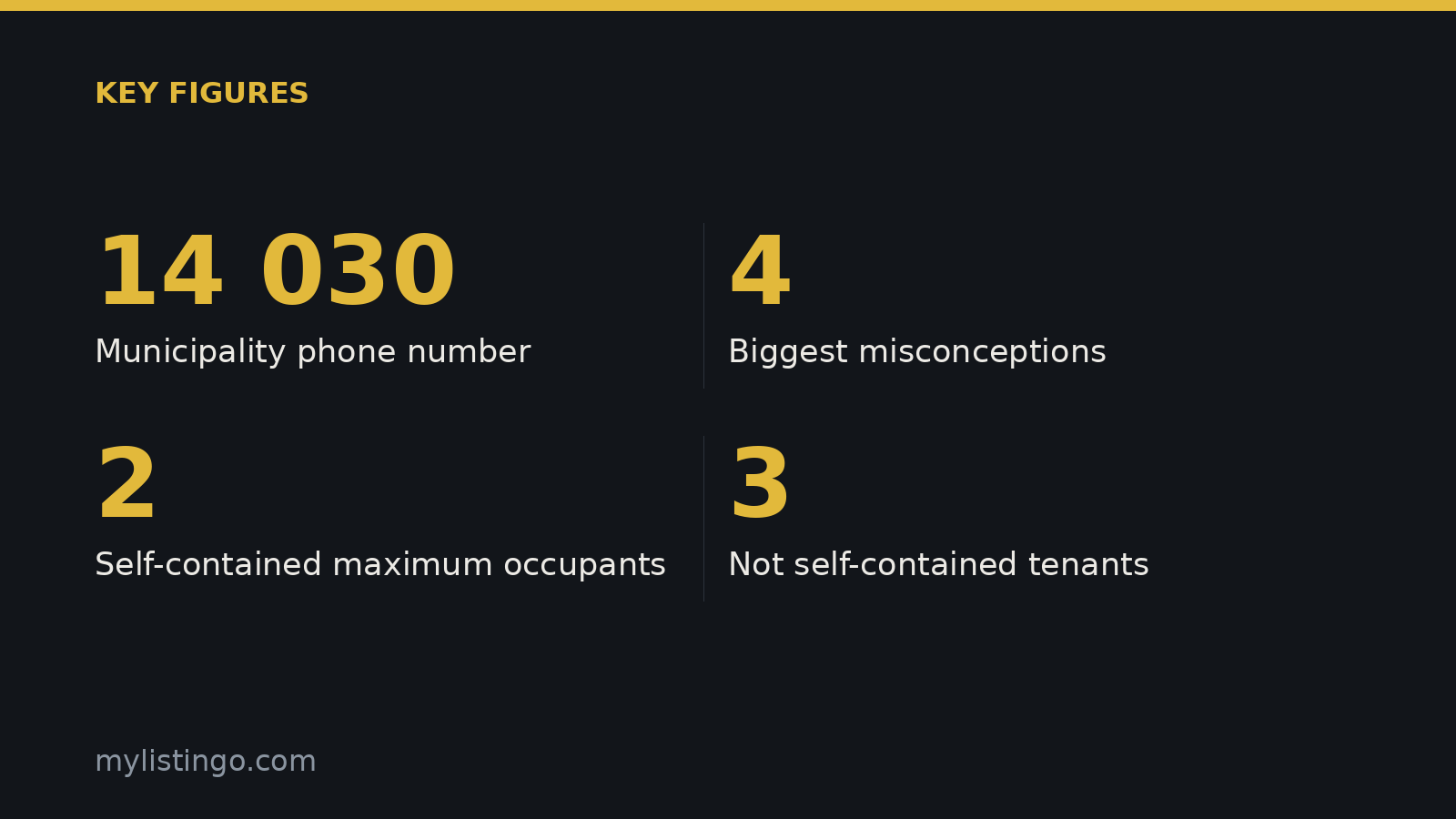
Many newcomers assume the landlord is in charge. The municipality’s page on misconceptions about tenancy protection explains that rent, notice periods and tenancy agreements are strictly regulated. It lists the 4 biggest misconceptions:
- “My landlord owns the property, so they can walk in.” No. Unannounced visits violate your right to quiet enjoyment of the property. In some cases this may even be trespassing, which is a criminal offence.
- “High demand means landlords can charge the highest price.” Market forces do not apply to rents. A statutory points system determines the maximum rent for your room or home.
- “As a good tenant, I must handle repairs.” This usually applies only to minor repairs. Major repairs and maintenance are the landlord’s responsibility.
- “If my landlord evicts me, I must leave immediately.” No. Landlords must follow rules to end a tenancy agreement, and tenancy protection is regulated by law. If a landlord ends your agreement when they are not allowed to, you can appeal the termination.
The official page does not give a deadline for appealing a termination. Each case is assessed individually, so contact the municipality or an advice organisation as soon as you receive a notice. The municipality’s advice is clear: never accept a notice of termination without first getting advice about your rights.
Rent, service charges and local taxes
A home cannot be rented out at any price. According to the municipality’s page on help with rental problems, the maximum rent depends on whether your home is self-contained or not:
- Self-contained (zelfstandige woning): the home has its own entrance and its own kitchen, toilet and washing facility (shower or bath). A maximum of 2 people live there, or 3 or more people who form one household, such as a family.
- Not self-contained (onzelfstandige woning): the home is rented to 3 or more tenants who do not form a household, even if they share one tenancy agreement (a friends contract).
Each type has its own rent check (huurprijscheck), and you can also use the rent calculator at huurcommissie.nl. Different rules apply to shared accommodation, self-contained homes, temporary housing and campus contracts.
Service charges cover costs such as cleaning shared areas, a caretaker, electricity and water. Ask your landlord every year, in writing or digitally, for an overview of these costs. The landlord must settle them each year before 1 July, based on the actual use in the previous year.
Local taxes are handled by BghU. Tenants who share a shower, toilet and kitchen do not receive their own tax assessment. The landlord receives it and must pay it, but may ask tenants for a share, dividing the amount by the number of residents. The landlord may not charge more than they pay themselves. The waste levy is a fixed amount set each year, which you can look up at bghu.nl/tarieven. If you rent a room, the law does not allow your landlord to pass on sewerage charges, the purification levy, the pollution levy or the user’s share of property tax (OZB).
Warning signs of a bad landlord
The municipality’s page for students in rented accommodation compares good and bad landlord behaviour. A good landlord uses the points system to calculate rent, maintains the property, talks to tenants, follows tenancy protection rules, sends a yearly final statement of service costs and refunds your deposit if you leave the room clean and tidy. A bad landlord charges excessive rent, neglects the property, bullies tenants, visits unannounced, demands payment of invoices you do not owe and keeps your deposit.
Harassment can take many forms. Examples given by the municipality include angry emails, calls or WhatsApp messages late at night, ending the tenancy for no reason, cutting off internet, television or hot water, threatening to remove appliances such as the washing machine or oven, and telling you to leave if you complain about the rent. The municipality’s message is to not accept this behaviour and to get help.
How to build your case
Problems often start after a good beginning. Being prepared makes it easier to stand up for your rights. The municipality recommends that you:
- Keep all messages. Save letters, emails and records of phone calls on your computer or phone.
- Take dated photos. Photograph defects, and record the condition of the home when you move in and when you leave, so you can respond if you are later blamed for damage.
- Keep a log. Write down any unwanted behaviour with the date and time.
- Ask for a solution in writing. Send a letter or email. If the landlord does not respond, you have proof that you tried to solve the problem.
- Talk to your landlord first about issues such as a draughty, poorly insulated home or single glazing.
Where to get help
Under the Good Landlordship Act (Wet goed verhuurderschap), landlords must follow clear rules. If yours does not, you can contact:
- The municipality’s reporting point: use the form “Huren woning, klacht doorgeven” for excessive rent, repairs that are not done, intimidation or threats, or a termination you are unsure about. Include your evidence and make it as clear and complete as possible. General phone number: 14 030.
- The municipality’s energieloket: for energy problems you cannot solve with your landlord.
- The Huurcommissie: an independent body that helps tenants with rental disputes.
- Het Juridisch Loket: free help with legal questions, such as problems with your contract, defects or taxes charged incorrectly. If you still cannot reach a solution, you can go to the subdistrict court (kantonrechter) without a lawyer.
- VIDIUS: free, accessible advice and legal assistance for students. Tenancy law also applies if you only rent a room.
FAQ
Can my landlord enter my room without telling me?
No. The municipality states that a landlord must respect your privacy and is never permitted to enter your room unannounced. Unannounced visits violate your right to quiet enjoyment and may even be trespassing, which is a criminal offence.
How much deposit can a landlord ask for?
The official pages do not state a maximum deposit. They do say that a good landlord refunds the deposit if you leave the room clean and tidy, and that you can report an excessive deposit to the municipality. Whether a deposit is too high is assessed case by case.
I received a local tax assessment as a room renter. Is that correct?
Tenants who share a shower, toilet and kitchen do not normally receive their own assessment. Check the BghU website to see whether the assessment is correct, or call BghU on 088-0640200.
Does an address missing from the municipality’s list mean the landlord is reliable?
No. The municipality states that an address not appearing on the list is no guarantee of a good landlord. Do the rent check as well, read your contract carefully and ask VIDIUS or Het Juridisch Loket if anything seems wrong.
Official sources: utrecht.nl · utrecht.nl · utrecht.nl · utrecht.nl
Last verified: 20 October 2026 against the official pages linked above. Rules and fees change; the official page always wins. General information, not legal or tax advice.
Sources
- utrecht.nl: Help for students in rented accommodation | gemeente Utrecht, accessed 20 October 2026
- utrecht.nl: Misconceptions about tenancy protection | gemeente Utrecht, accessed 20 October 2026
- utrecht.nl: Hulp bij problemen met huur | gemeente Utrecht, accessed 20 October 2026
- utrecht.nl: Verhuuradressen die niet in orde zijn | gemeente Utrecht, accessed 20 October 2026
Utrecht, for internationals
One email a week: what changed for internationals in Utrecht, the week's news from the Netherlands, and one guide worth reading. No spam, unsubscribe any time.