A year ago, Situational Awareness was the name every allocator wanted in their portfolio. Today it is the name attached to federal subpoenas. That collapse in reputation, from Wall Street darling to SEC target, happened at a speed that should make everyone who has been pouring money into “AI-powered” anything stop and read the fine print.
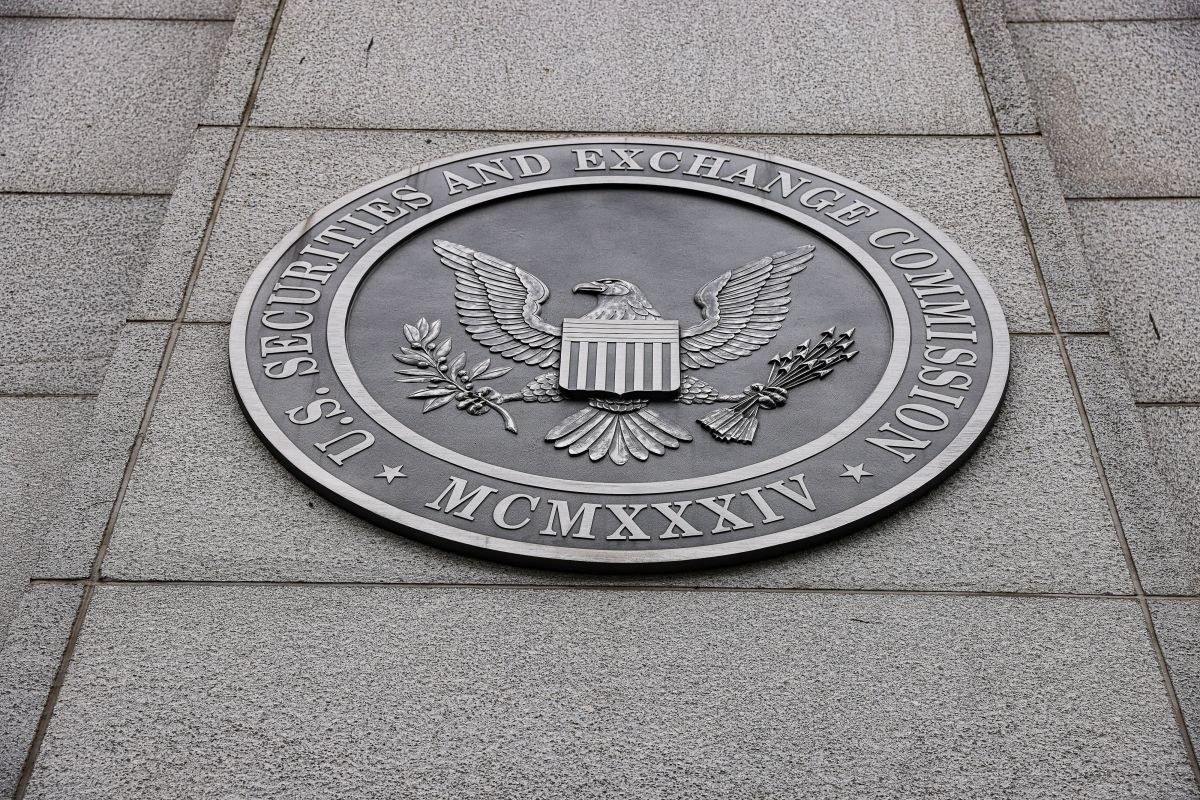
TechCrunch reported on August 24, 2026 that the AI hedge fund, once described as the talk of Wall Street, is now the subject of a Securities and Exchange Commission probe. The fund had already nearly imploded before regulators got involved. Now the government wants records, and the subpoenas suggest the SEC believes there is something specific worth chasing rather than a routine look at a firm that had a bad quarter.
When the pitch was the product
Every hype cycle produces a fund that becomes shorthand for the moment, and in this one it was Situational Awareness. The name itself was a marketing coup, borrowing the language of intelligence briefings and frontier AI research to promise investors an edge that ordinary quants supposedly lacked. Money followed the story. It usually does.
What we do not yet know publicly is exactly what that edge was, or whether it was ever real. The summary of the reporting is blunt about the trajectory: the fund went from being celebrated to nearly imploding, and only after that near-collapse did the SEC arrive with paperwork. Those are two separate failures stacked on top of each other. A fund can lose money honestly and survive scrutiny. A fund that draws subpoenas is being asked a different question, which is whether investors were told the truth about how their money was being managed.
What a subpoena actually signals
Regulators do not issue federal subpoenas to satisfy curiosity. A subpoena is a demand for documents and testimony, and it typically means the SEC’s enforcement staff has moved past a casual inquiry into something more structured. For a hedge fund, the usual areas of interest are familiar. Did marketing materials describe a strategy that matched what the fund actually did? Were risks disclosed? Did anyone misstate performance, or the role that artificial intelligence genuinely played in generating returns?
That last point is where this story stops being about one firm. “AI” has become the most valuable adjective in finance, and it is almost impossible for an outside investor to verify. A model that trades autonomously and a spreadsheet with a chatbot bolted on can both be marketed as an AI fund. The gap between the two is enormous, and until now the market has mostly trusted managers to describe themselves honestly. An enforcement action changes that calculus. It tells every AI fund that the label carries legal weight, and that claims made in a pitch deck can be tested against reality by people with subpoena power.
The reckoning the sector saw coming
Ask anyone who has watched capital chase a buzzword and they will tell you how this movie tends to end. The technology arrives, the returns look spectacular for a while, the money piles in faster than anyone can responsibly deploy it, and then something breaks. Sometimes the breakage is a market that turns. Sometimes it is a strategy that never worked as advertised. Situational Awareness appears to have hit turbulence severe enough to nearly end the fund on its own, before regulators added their own layer of trouble.
None of this means AI has no place in trading. Machine learning has been embedded in quantitative finance for years, quietly and without press releases, and the serious practitioners rarely brag about it. The firms most likely to get burned in a moment like this are the ones that leaned hardest on the narrative, the ones whose “situational awareness” was aimed more at fundraising than at markets. When the story does the heavy lifting, the eventual audit tends to be unkind.
The open question now is how far the SEC intends to take this, and whether Situational Awareness turns out to be an isolated case or the first name on a longer list. Enforcement actions have a way of setting precedent, and a probe into a marquee AI fund gives the agency a template for scrutinizing others that made similar claims. If you run money and you have been calling your strategy AI-driven, this is the week to make sure that description would survive a records request.
Watch what the agency asks for next. The documents the SEC demands will reveal what it actually suspects, and that will tell the rest of the industry which promises regulators are no longer willing to take on faith.
For more coverage of AI in finance, visit Mylistingo.
Source: Original Article
The Netherlands, for internationals
One email a week: the week's news for internationals in the Netherlands, new practical guides and what changed in the cities. No spam, unsubscribe any time.