Tesla Robotaxi Cleared for Dutch Roads: The Hague Among First Cities for Pilot Programme
The Netherlands has greenlit Tesla’s fully autonomous Robotaxi service for public road testing, positioning the country as one of the first European nations to embrace driverless ride-hailing at scale. The Dutch vehicle authority (RDW) granted a limited operational permit in June 2026, with The Hague selected as one of the initial pilot cities alongside Amsterdam and Rotterdam.
What the Permit Allows
Tesla’s Robotaxi — a purpose-built vehicle with no steering wheel, pedals, or driver controls — can now operate in designated zones within The Hague. The initial service area covers the city centre, Scheveningen, and the international zone around the World Forum, with plans to expand to the Binckhorst innovation district later this year.
The vehicles rely solely on Tesla’s Full Self-Driving (FSD) version 13 software, which uses a combination of cameras, neural networks trained on billions of miles of real-world driving data, and high-definition maps updated in real time.
Safety Framework
The RDW approval requires several Dutch-specific safeguards: every Robotaxi must carry comprehensive liability insurance, maintain a remote human supervisor who can intervene within 30 seconds, and comply with the Netherlands’ strict AVG/GDPR data protection rules. Passenger-facing cameras are disabled by default and trip data is anonymized.
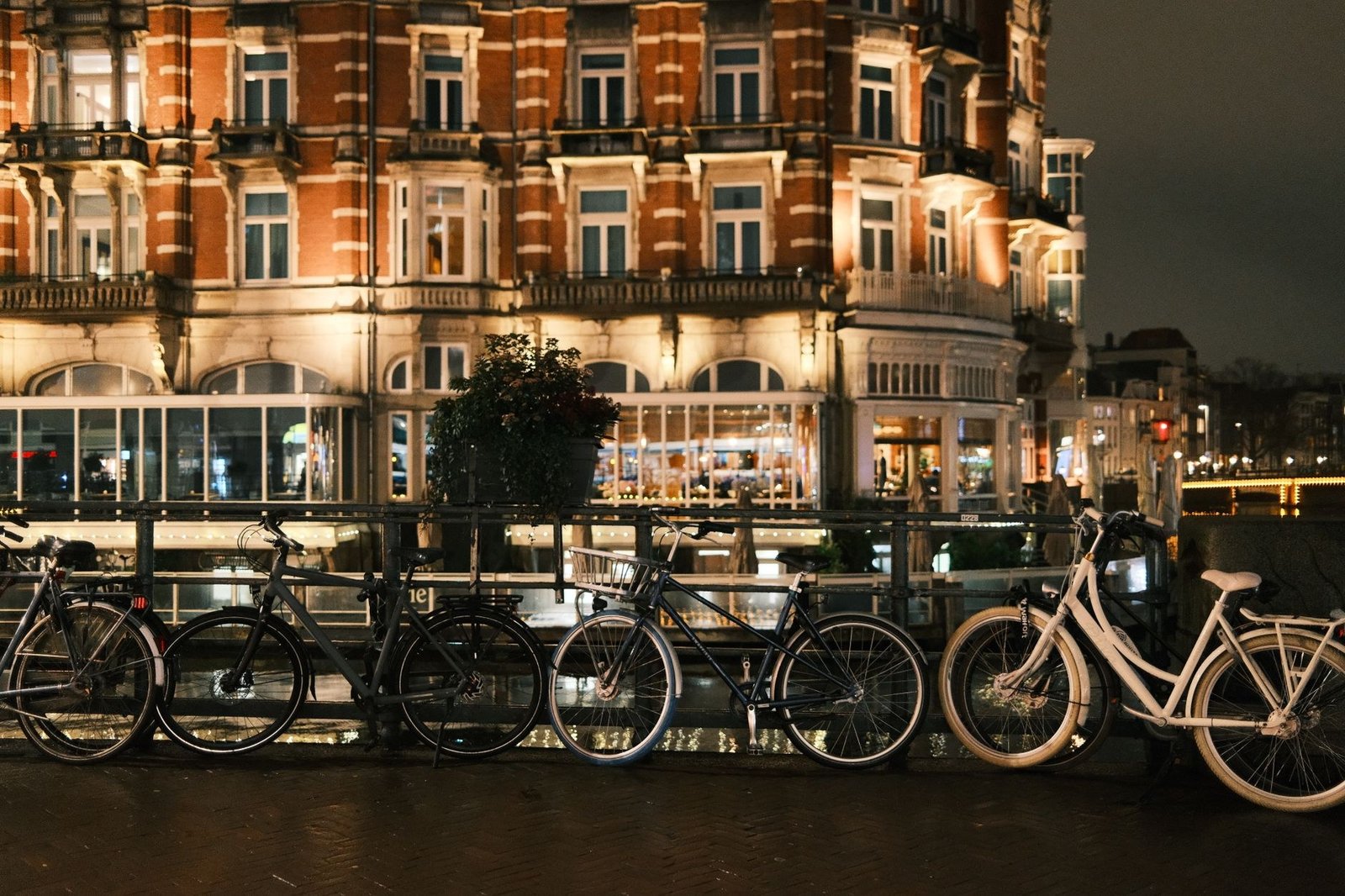
The municipality of The Hague has worked closely with Tesla to identify safe pickup and drop-off zones, avoiding the chaotic bicycle intersections that challenge even human drivers. Dedicated Robotaxi stands will appear near Den Haag Centraal station and along the Beatrixkwartier business corridor.
What It Costs
Tesla has not released official Dutch pricing, but early estimates suggest rides could cost 30-50% less than traditional taxis, with per-kilometre rates competitive with public transport for short distances. The service will be bookable exclusively through the Tesla app.
Skepticism and Competition
Not everyone is celebrating. The FNV taxi union has voiced strong opposition, arguing that autonomous vehicles threaten thousands of driver jobs. Environmental groups have raised concerns about increased urban traffic if cheap Robotaxi rides pull people away from bikes and trams — a particularly sensitive issue in Dutch cities where cycling infrastructure is world-class.
Tesla faces competition from Waymo, which is also eyeing European expansion, and from homegrown initiatives like the Dutch Automated Vehicle Initiative (DAVI).
MyListingo will report on the Robotaxi rollout as the pilot programme unfolds in The Hague this summer.
The Hague, for internationals
One email a week: what changed for internationals in The Hague, the week's news from the Netherlands, and one guide worth reading. No spam, unsubscribe any time.